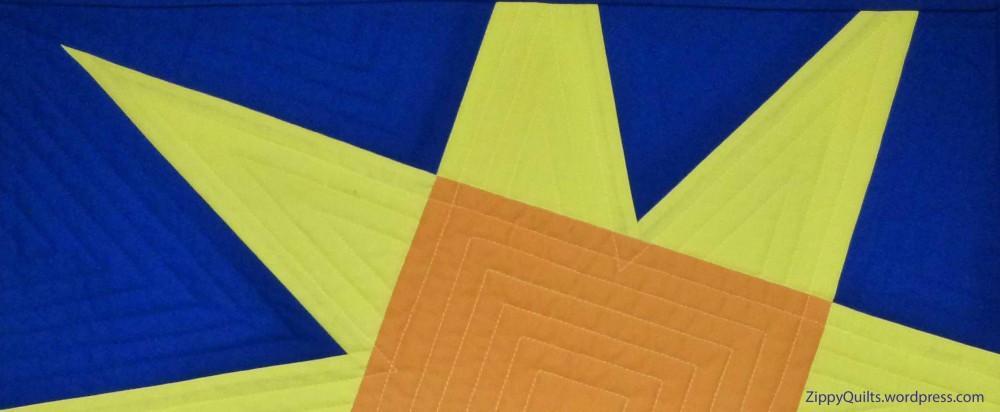
Every problem being an opportunity, I think we’ll review the projects completed in 2020 because of the opportunity to spend much more time at home 😀 In fact, I got so much done that I’m splitting it into two posts so my head doesn’t spin. Here’s part I:
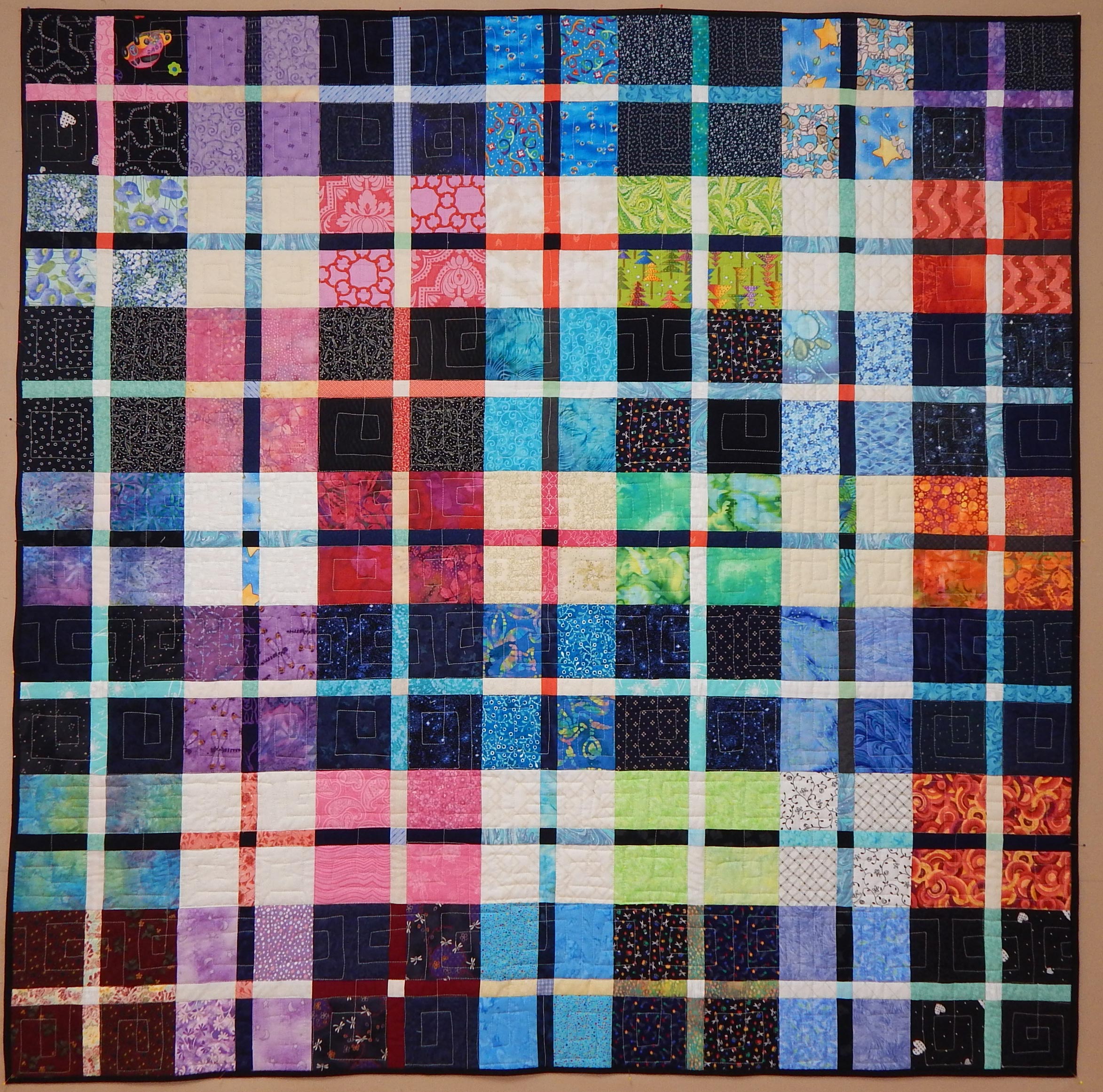
Plaidish was made from a free pattern available from Kitchen Table Quilts


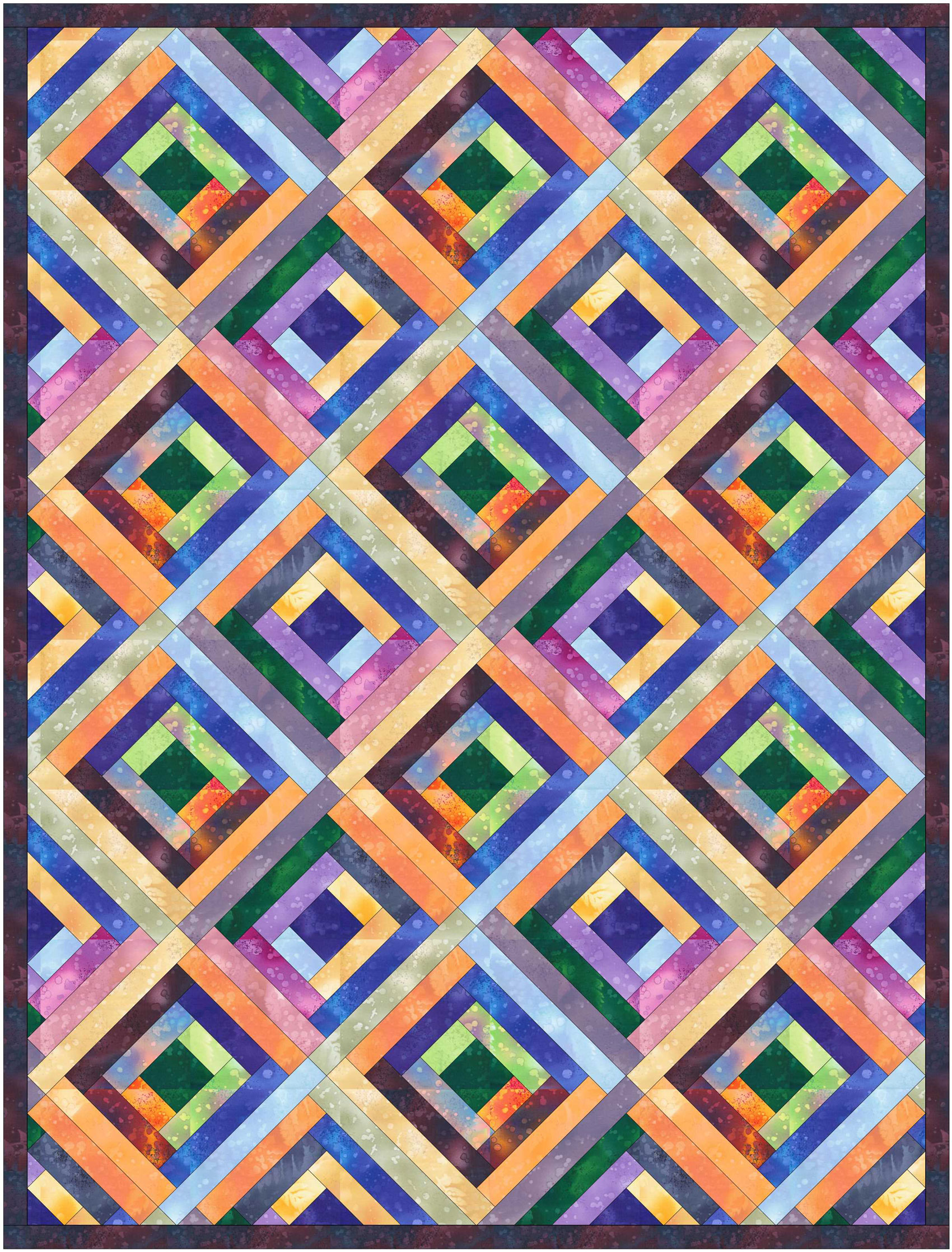
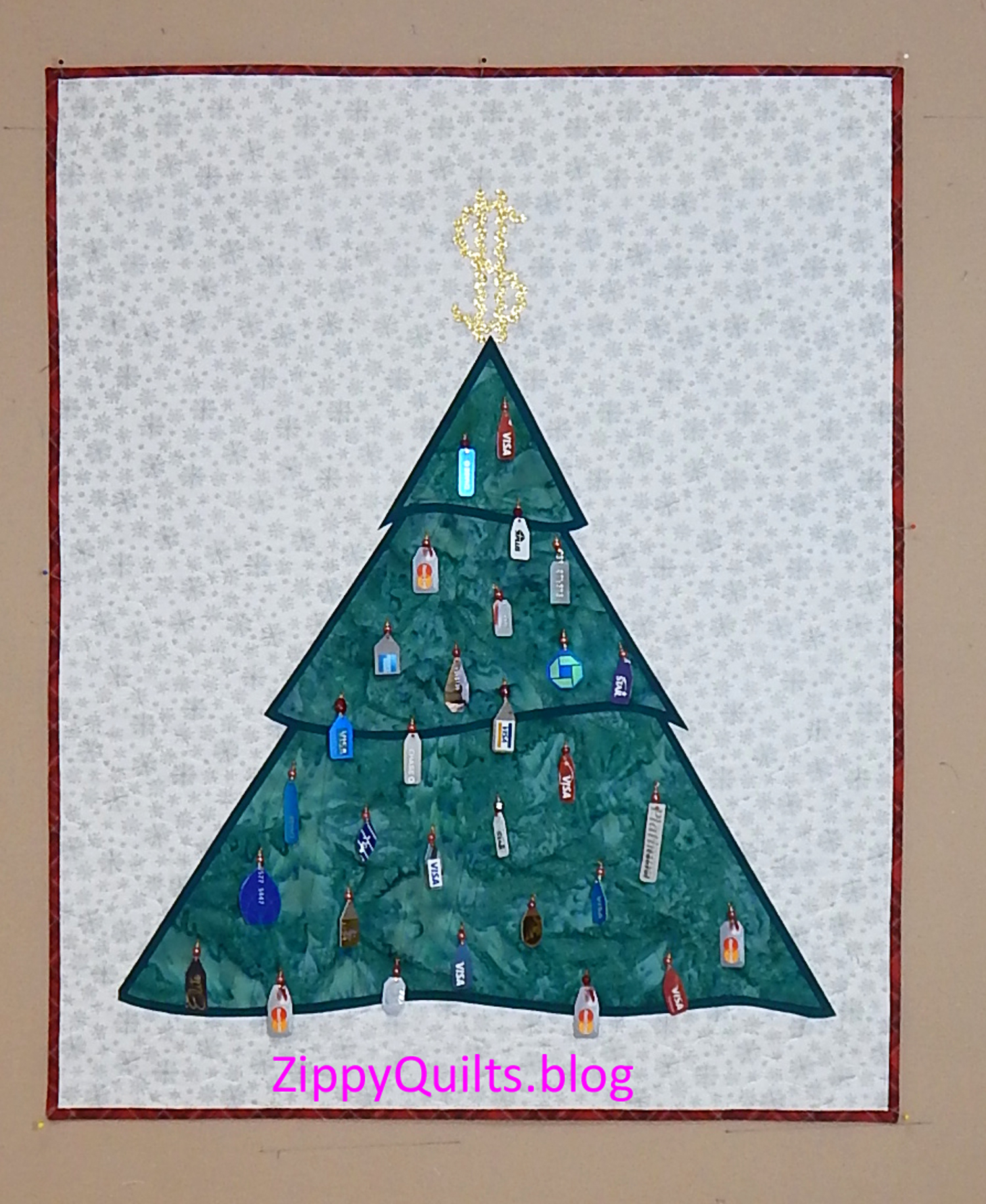
I designed the quilt above based on a barn quilt I saw every time I drove to town. The design was created in EQ8 and Eileen Fowler at McCall’s Quilting transformed it into a design of her own, giving me credit for inspiration.

The above quilt was designed in EQ8 and made with scraps. Studio Stitch offered the pattern free with purchase. I loved using all my colorful scrap strips.


I made a bunch of postcard-sized art quilts as samples for a class I plan to teach on making landscape quilts. COVID happened, so the class hasn’t been offered yet.
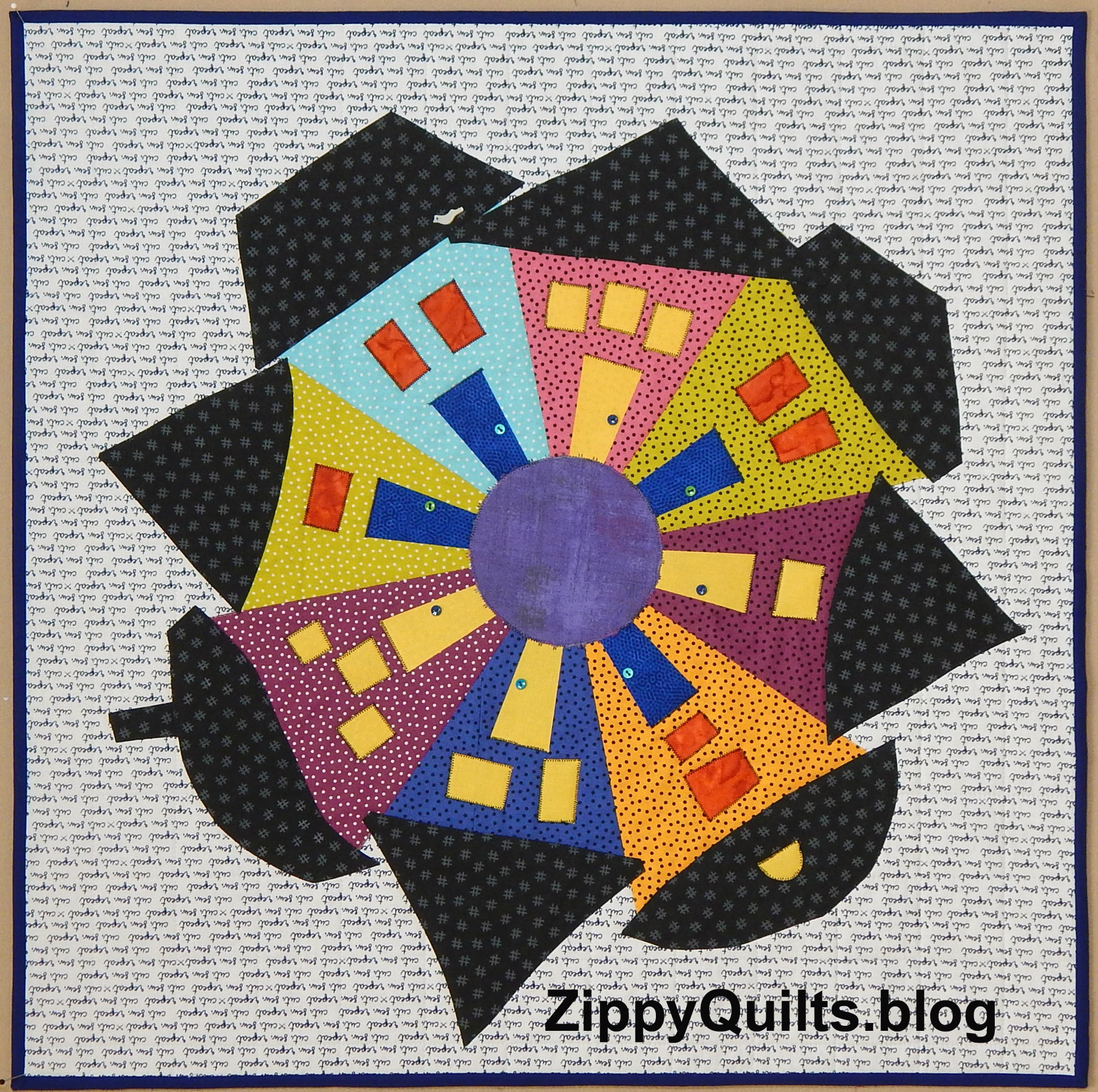
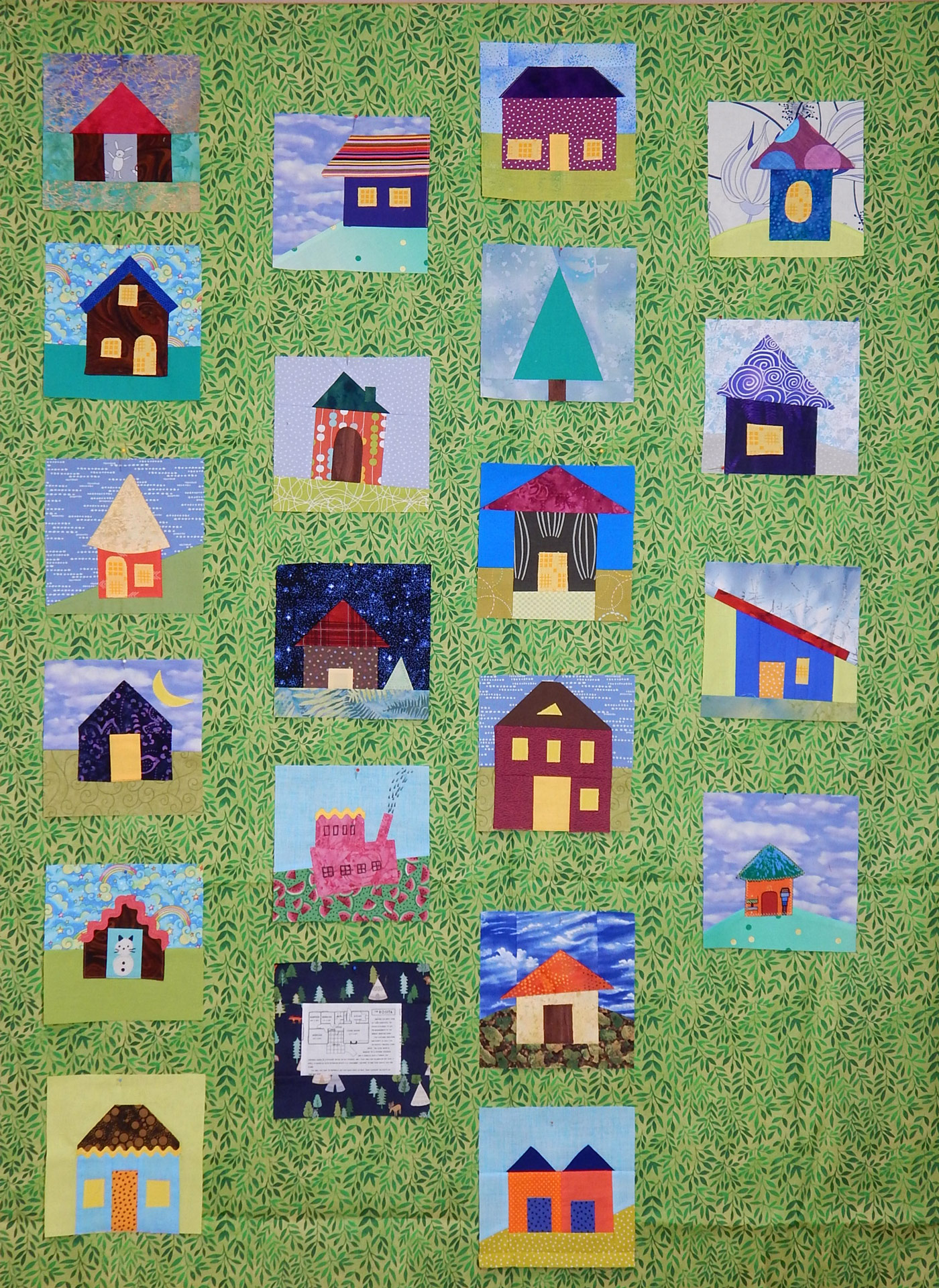
I designed and made this little neighborhood after seeing similar projects online. Isn’t the internet a great source of inspiration?


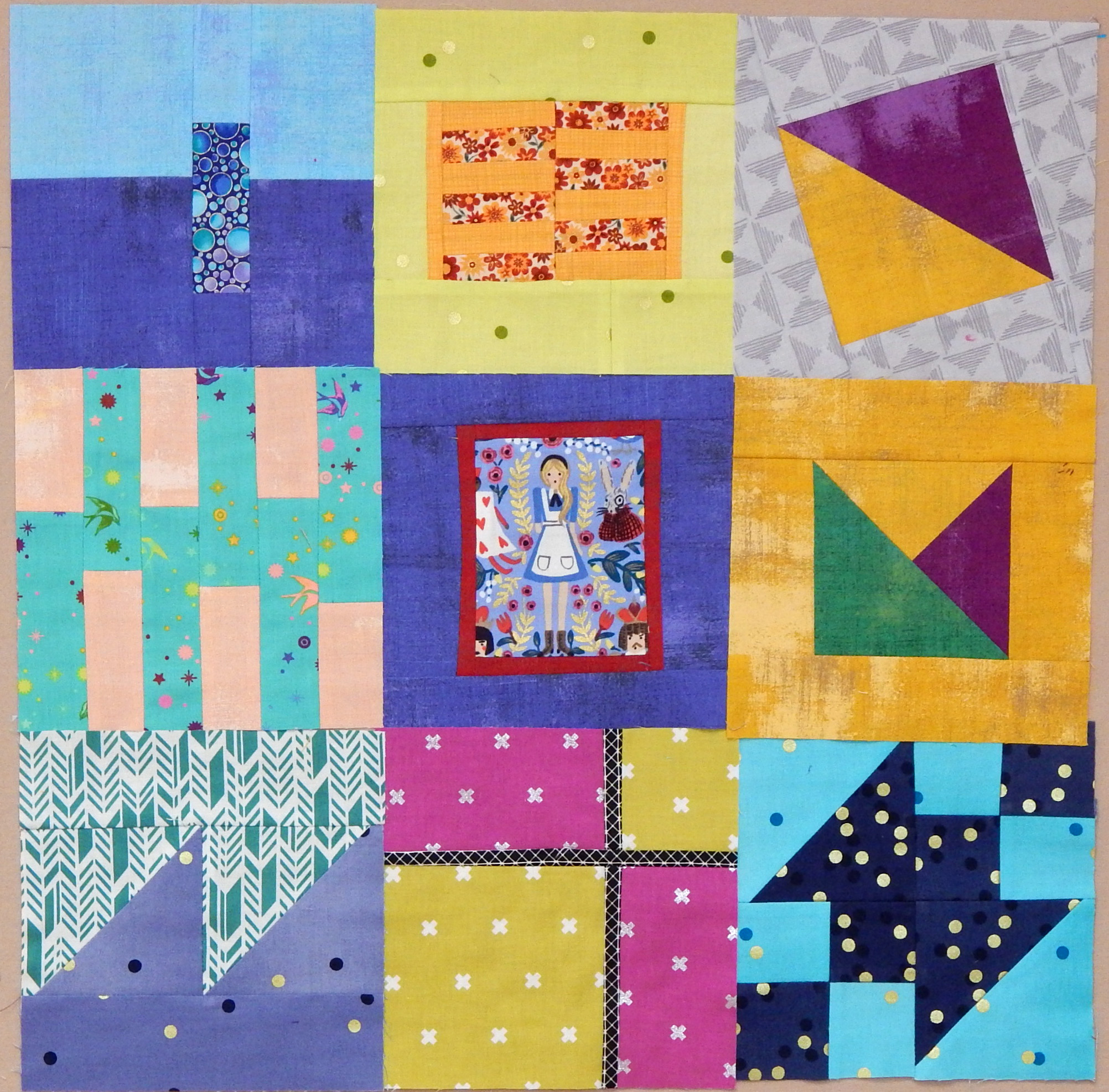
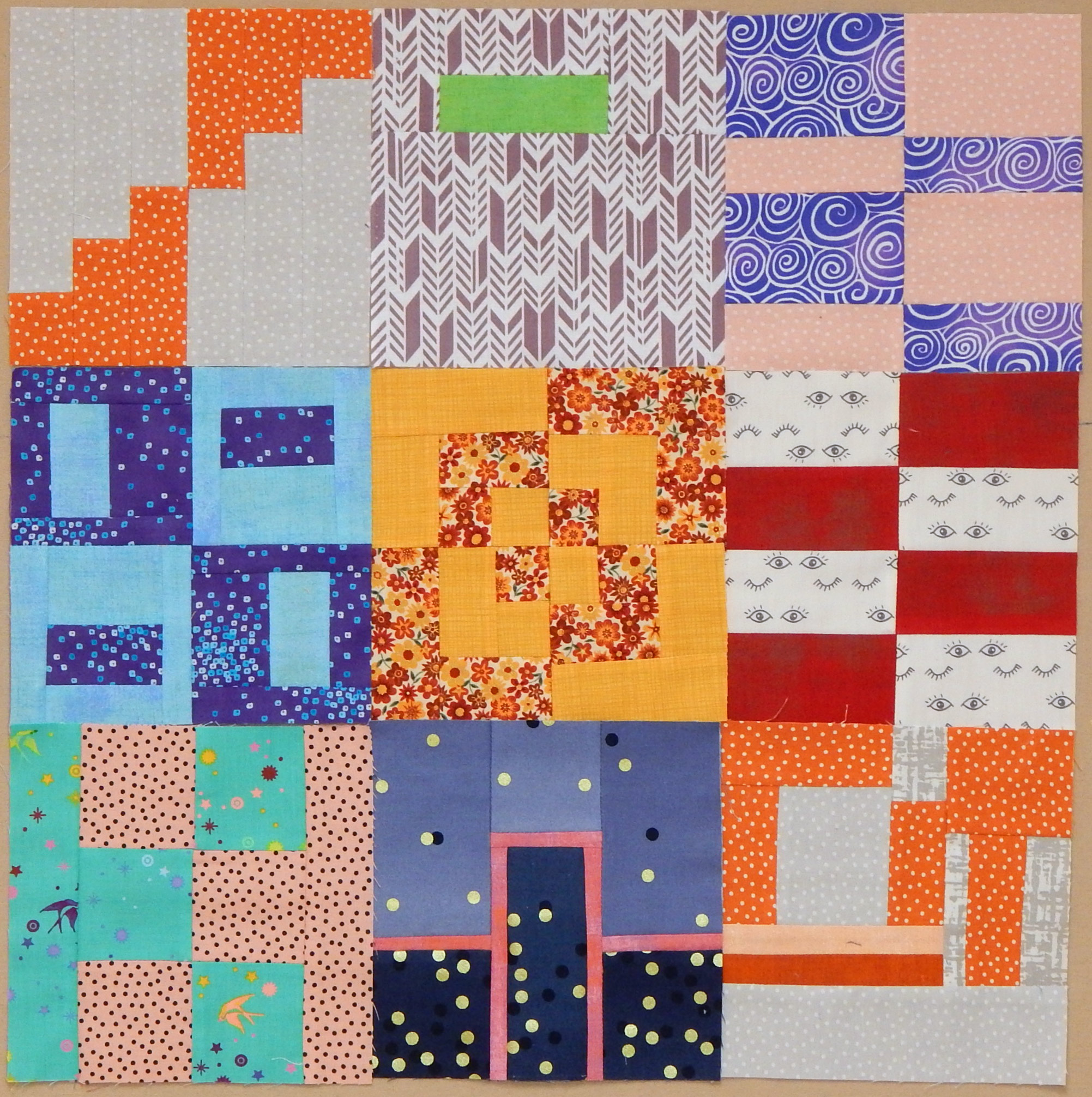
I made a bunch of donation quilts, including the two above constructed from orphan blocks. Several quilts went to a local at-risk infant project, and there’s another pile waiting to go to Ronald McDonald House.

I took a class with friends at A Stitch in Time and made this fall quilt. They still have the pattern if you want to make one, too.

I made this orphan block up into a little quilt for the SAQA auction.

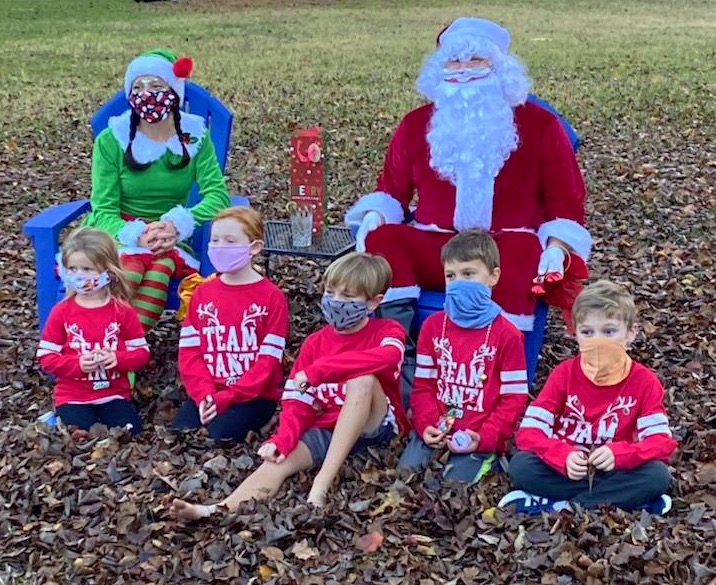
Like everyone else, I made a zillion of these. At least my model is cute 🙂
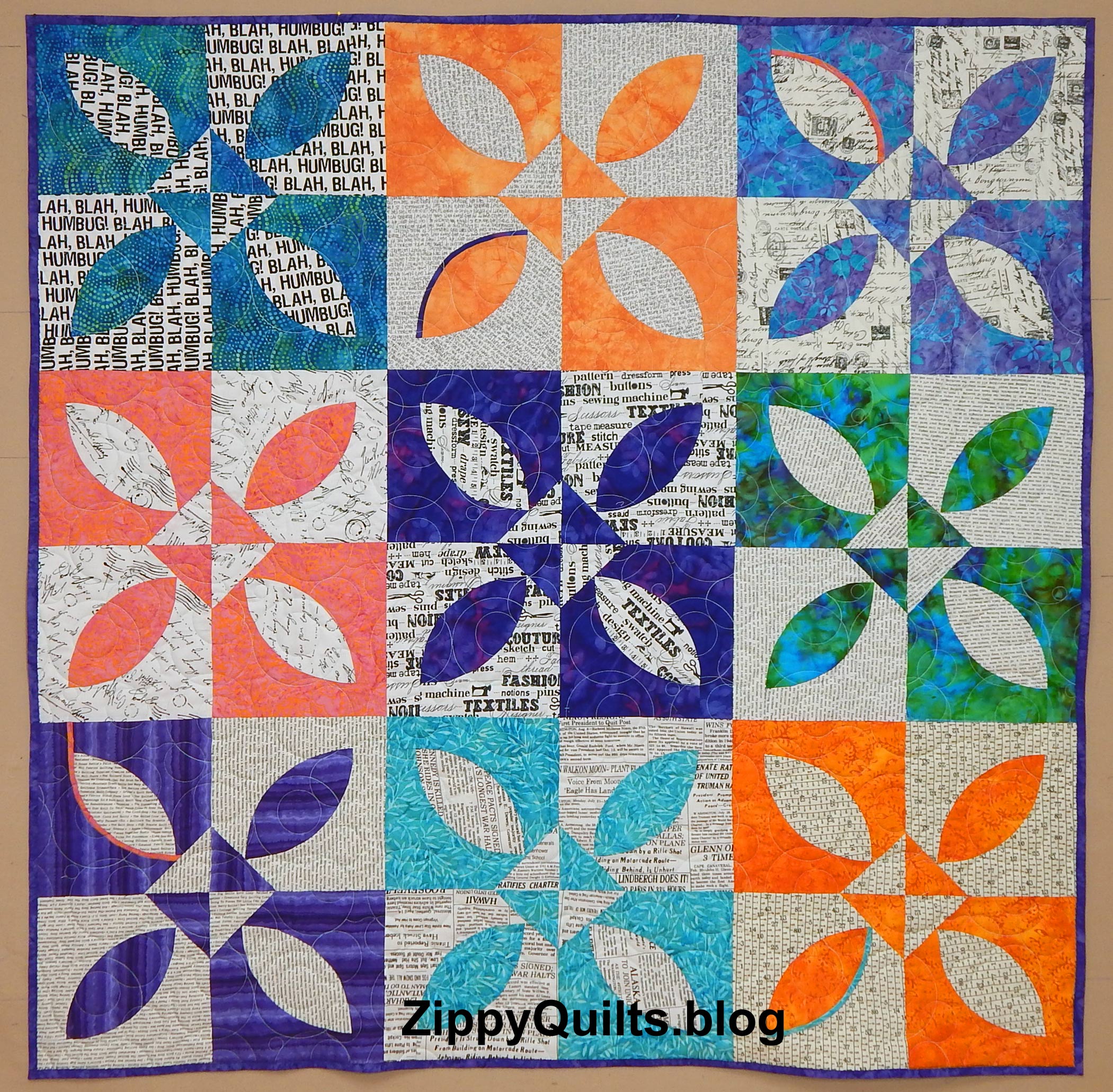
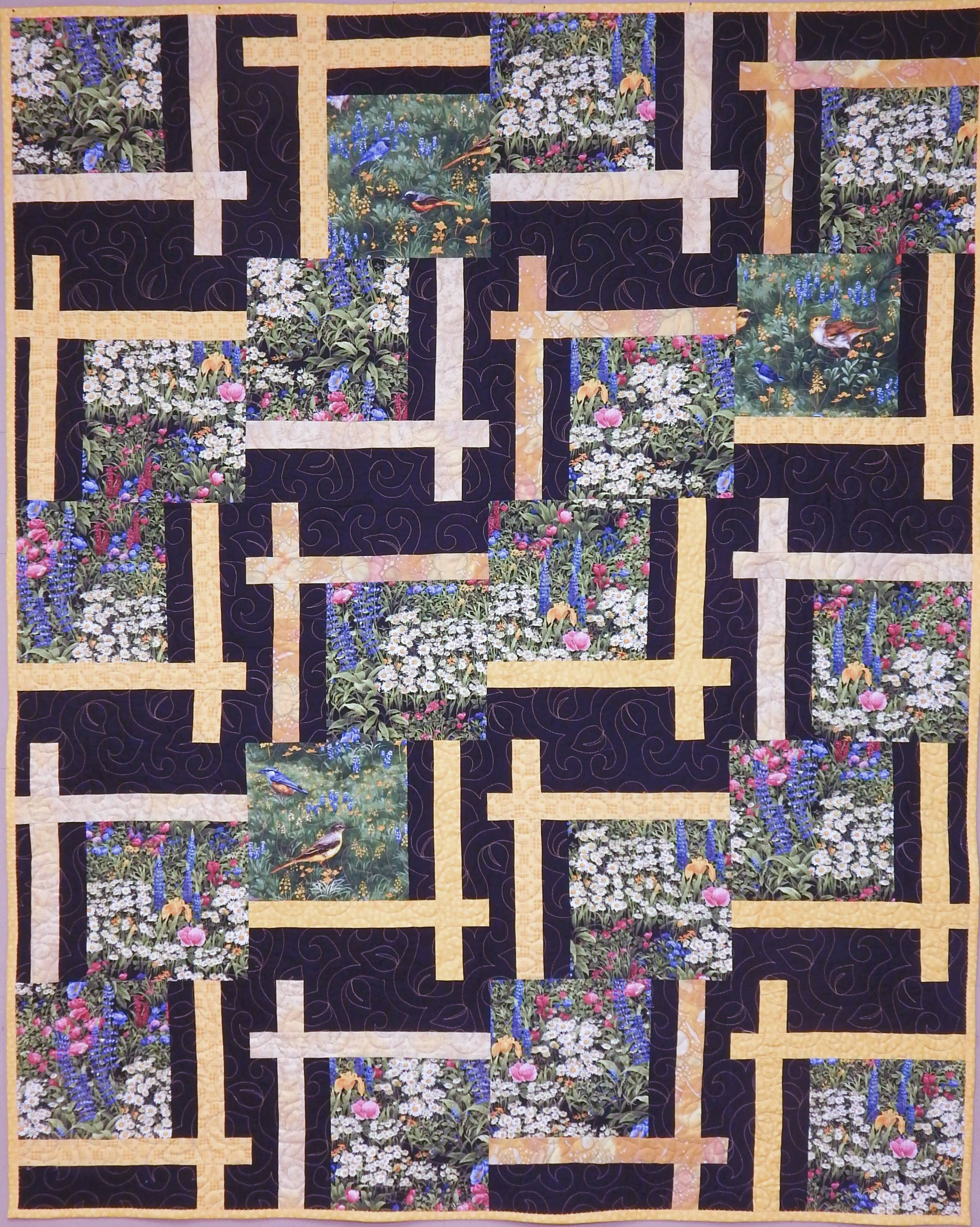
I enjoyed making this quilt and the templates from Elisa’s Backporch made it easy.
That is surely enough for one post! To be continued…

















 Zippy Quilts