52 weeks and a May finish

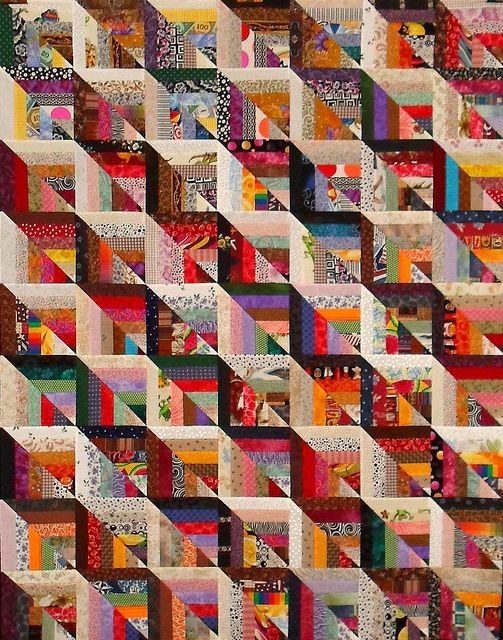
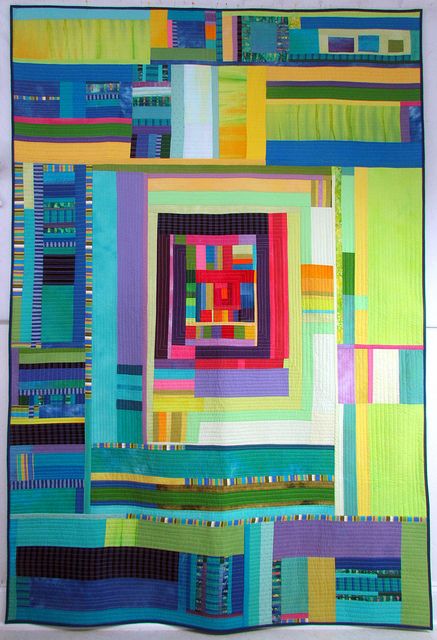
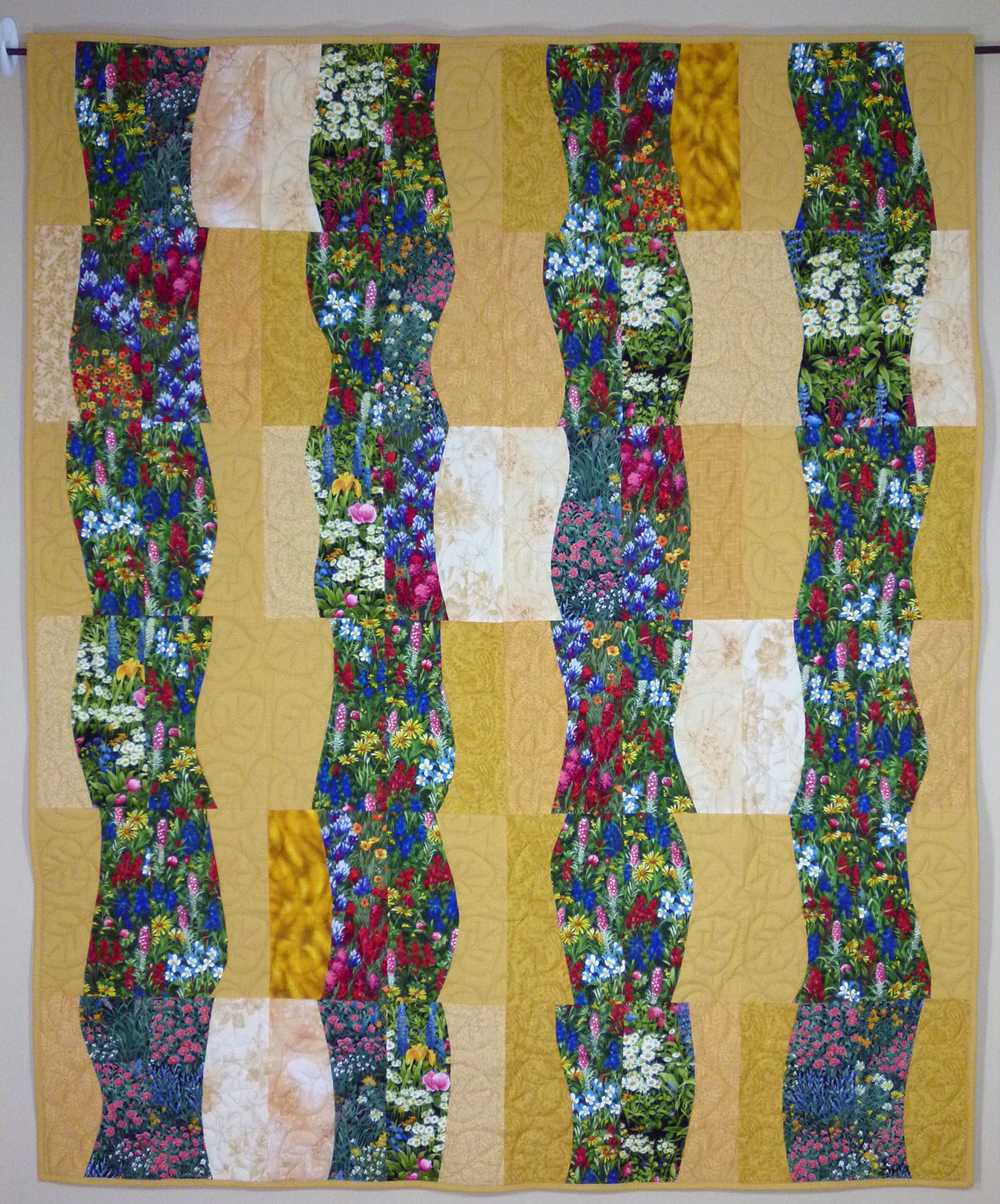
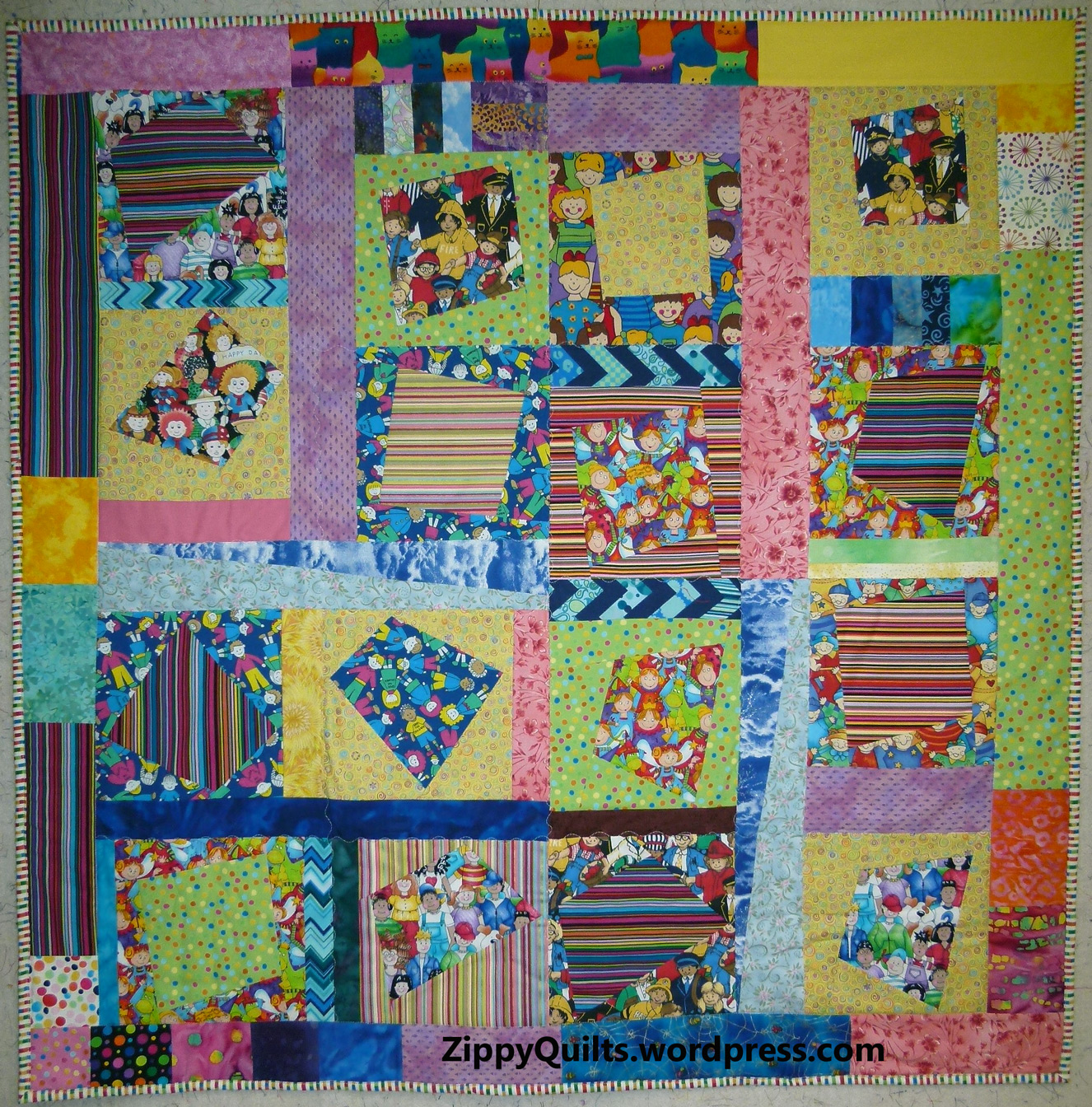
pieced quiltHere’s the UFO finish for May, which barely got done among all the other projects in May! It is a donation quilt made out of orphan blocks; I’ve made a couple of similar ones in the past year because there were a LOT of these blocks!  I actually made the quilt top in September of last year to demonstrate use of improvised sashing, and then the top kind of languished.  When it came up as the finish for May I had already chosen the binding, so it was actually pretty quick to finish.

striped bindingI love the striped fabric for binding, an idea I got from Rita over at RedPepperQuilts.com. She makes beautiful quilts!

And WordPress tells me I have now done 52 posts, which would be about right for the 1 year since I started this blog! Thanks to everyone who is following. I also appreciate your comments–it’s nice to know somebody is looking!

Two Favorite Quilt Patterns

I love designing quilts and making my own designs, but I also enjoy making quilts from outstanding designs by other people.  I thought I’d list a couple of my favorites, and I hope you’ll let me know (in the comments) what some of your favorites are, too.

star quilt

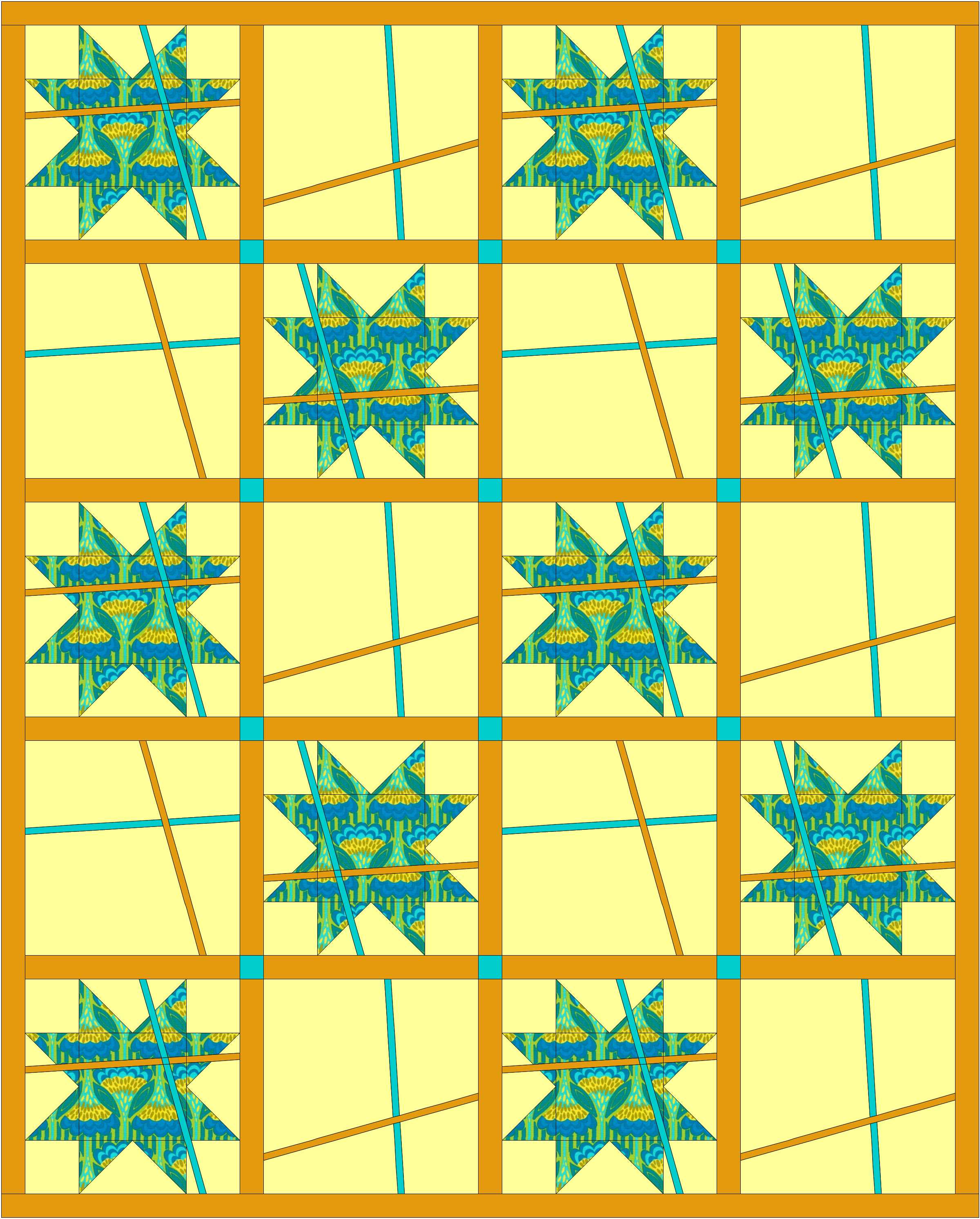
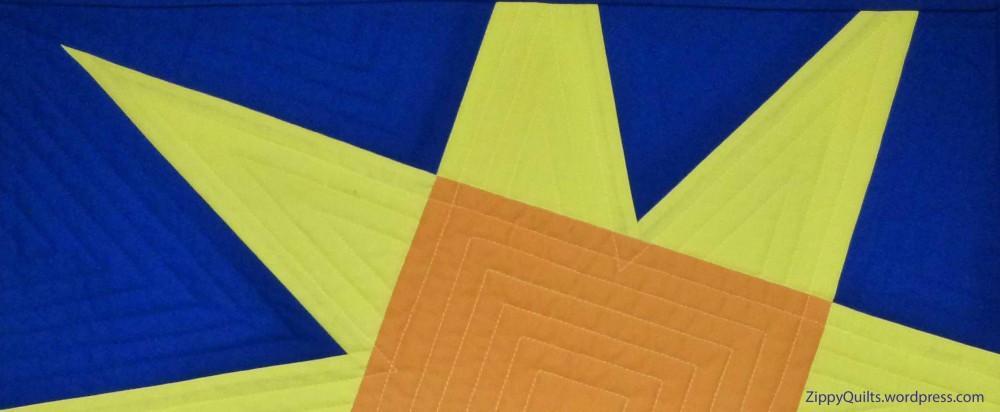
A floral quilt made from Lucky Stars by Atkinson Designs

A favorite quilt pattern for me should be striking in appearance, should have foolproof instructions [because I certainly could be a fool on any given day ;-)], and should be something that makes me say, “I wish I’d thought of that!”

Lucky Stars by Atkinson Designs.  This is the first quilt pattern I ever bought, though far from the first quilt I made.  When I started quilting, I just decided what I wanted, drafted the pattern,and then made it.  Buying this pattern was a revelation!  Such great instructions!  Such great results!  And so little effort compared to what I’d been doing!  I’ve made this pattern several times, and the recipients have loved every one of these quilts.  I’ve also used this to teach “Make Your Second Quilt” for advanced beginners, and the students loved it, too.

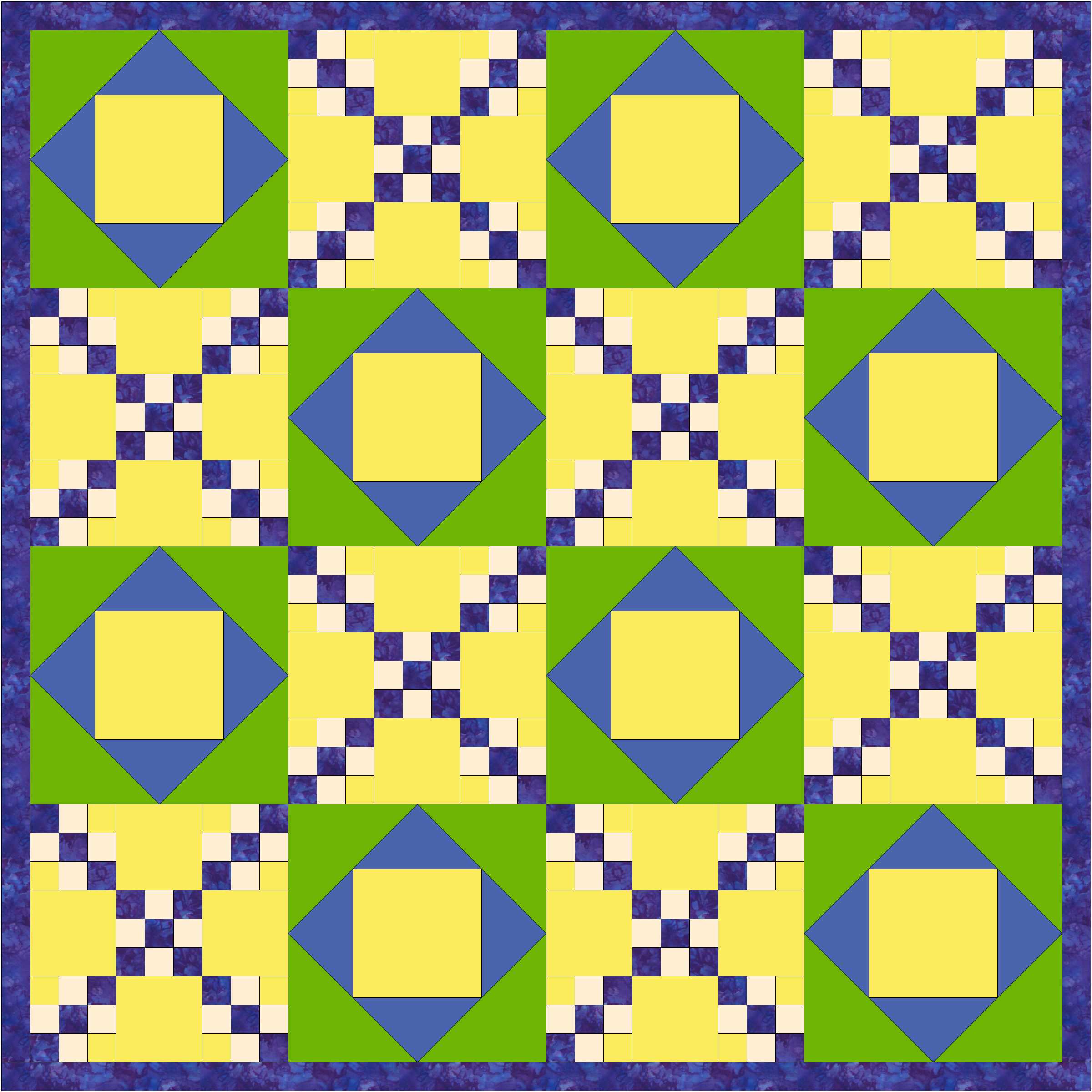
I LOVE any quilt with concentric boxes, and having them in multiple sizes and bright colors is just the BEST!  This quilt pattern is Outside the Box, by Rose Mason.  I put 4 of these together to make a queen quilt for a friend’s daughter when she got married, and it worked out really well.

Outside the Box, pattern by Rose Mason

Outside the Box, pattern by Rose Mason

 And even that didn’t wear me out on concentric boxes!  I’ve made many more, both from patterns and my own designs. 

Please leave a comment telling me what your favorite patterns are, and I’ll pass along the love in a later post.

Happy Plaids is my own design, but there are MANY similar quilts out there

Happy Plaids is my own design, but there are MANY similar quilts out there

Personal labels 3 ways

quilt back and binding

The first quilt to have my new label on the back!

I’ve been thinking for some time that I’d like a “standard” Zippy Quilts label to sew into the binding of my quilts in addition to the usual label I put on with the name of the quilt and the date.  I’ve seen several such labels and think they look cool.  They make me think the creator takes herself and her work seriously enough to have a professional label.

I collected a bunch of ideas for making labels on my Pinterest page, here, if you want to look.  Pinterest is great for gathering idea from around the web and organizing them all in one place.  I also got some of those ideas by doing a search within Pinterest for “fabric labels”, which lead me to things other people had discovered.

It boiled down to just a few good options in 3 categories:

1.  Print your own labels, sort of like I do my labels with the quilt name/date/etc.  This would be fairly economical despite the cost of printable fabric, because the labels are small.  However, the washability of some of the printable fabrics was in question, and there would be the need to finish the edges in some way to avoid fraying.  Nevertheless, there’s a very nice tutorial on how to do it here, on the Emmaline blog.

2.  Get commercially-made labels, either woven or printed, from specialty companies that make them.  There are lots of companies that offer lots of different labels, from laundry tags like you sew into your kids’ clothes before they go to camp to really professional woven labels.  The cost varies a lot, too.  The main drawback was that, for the better looking ones, you have to order an awful lot.  What if I had 1000 labels I didn’t much care for?

3.  Design your own at Spoonflower and have them printed up on fabric for you to cut apart into labels.  There’s a tutorial on how to do it here, on a nice blog called “While They Snooze”.  This is what I ultimately decided to do.  They’ll print either a sample or a fat quarter (FQ) for you, so I ordered FQs of 2 different layouts to see if I liked them.

Spoonflower labels

Spoonflower labels–first layout

I cut them apart with pinking shears to avoid a hard edge and sewed a little hem around each one to prevent fraying.  I think another time I’d make them a little smaller, but this is a good start.  The Spoonflower site is easy enough to use that I never even had to contact them for help.

Spoonflower label

The second layout

My second layout left space below my name on each label so that I could cut out the label, hem the sides only, and then fold it in half, inserting the remaining raw edges in the binding.  This avoids the need to sew it down separately on 4 sides.  I may like this better, but I haven’t had time to try them much yet.  The first one is going on my Quilt Alliance donation quilt, which I’m still binding.  I think I’ll go back and put them on all this year’s projects.

If you get some labels made for your projects, write and let me know what you did and how it worked out.

Spoonflower label

Label on Quilt Alliance quilt back

Your Inner Designer, Part 2: Many block arrangements

In our last exciting episode (as they used to say on the radio), we took a traditional-type quilt pattern and tweaked it 3 (or more) ways to make different quilt designs.

pieced quilt design

Large blocks, with the intersections lined up

pieced quilt design

Now we’ll take some combinations of blocks and arrange them to make new designs. As before, your new designs can be drawn on graph paper (or with a computer program like Electric Quilt). It’s your choice whether to make them in cloth or not.

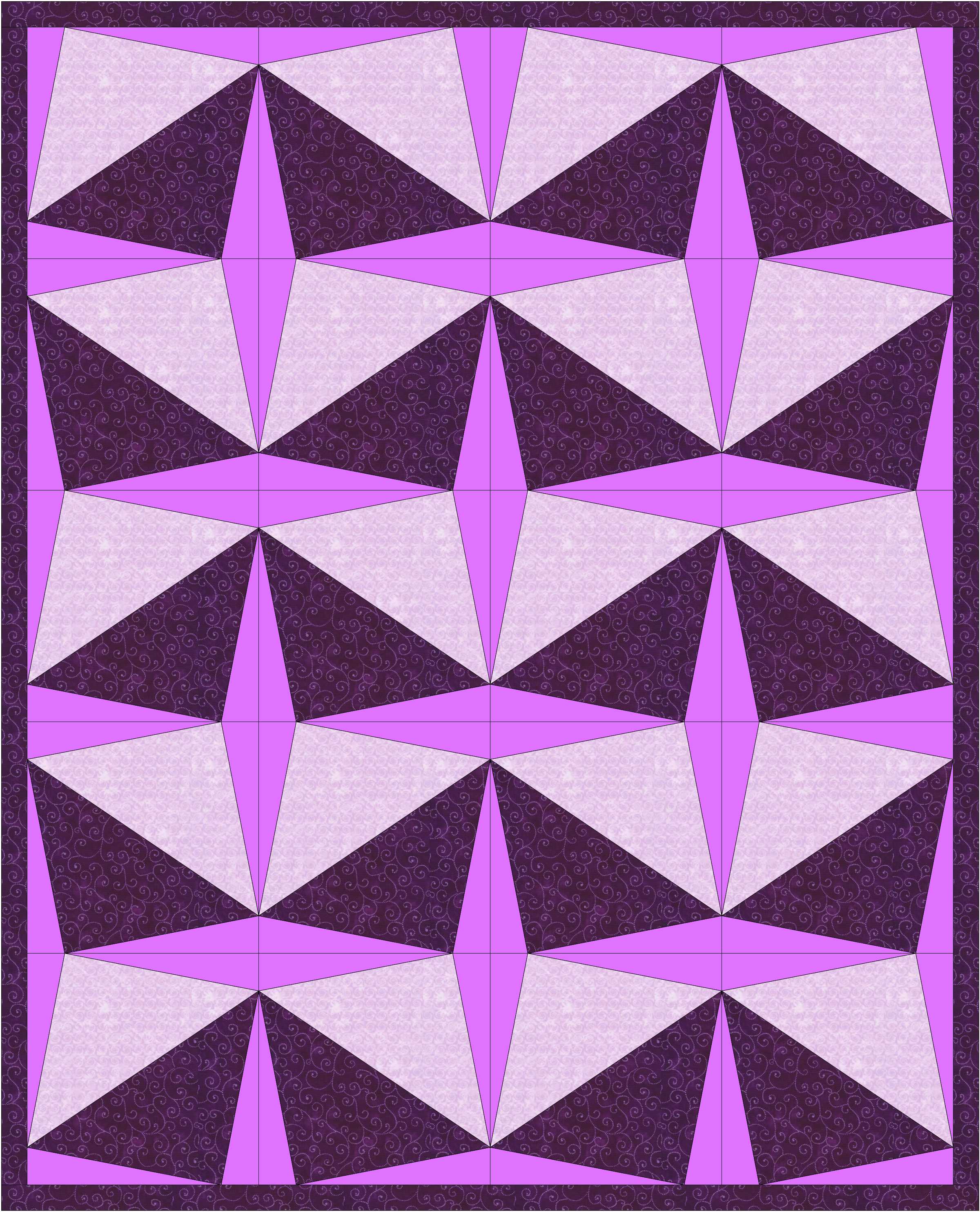
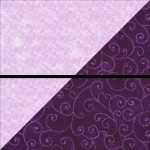
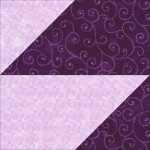
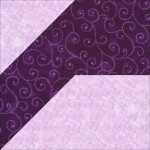
1. Combine two easy, familiar blocks.The usual advice is to combine blocks such that their seams will line up,like that first one on the left. This has the advantage of making more secondary patterns when you look at the combination overall, and the disadvantage of making the construction more tedious. Try it both ways.  My personal preference is for the second design on the left.  The different sizes of the pieces in the blocks make the quilt more interesting; I really don’t notice that the seams haven’t lined up.

.

.

2. Take a quilt made of just one block, or even just one patch, and color it different ways. Here’s one of my favorites.  It starts as the traditional tumbling blocks pattern, but can also be stars, chevrons, or many, many other things. There is LOTS of room for experimentation here.

Some folks make an outline drawing then copy it several times so they can color it different ways.  I can see this going on for weeks if you attend lots of boring meetings where you can take your sketchbook 😉

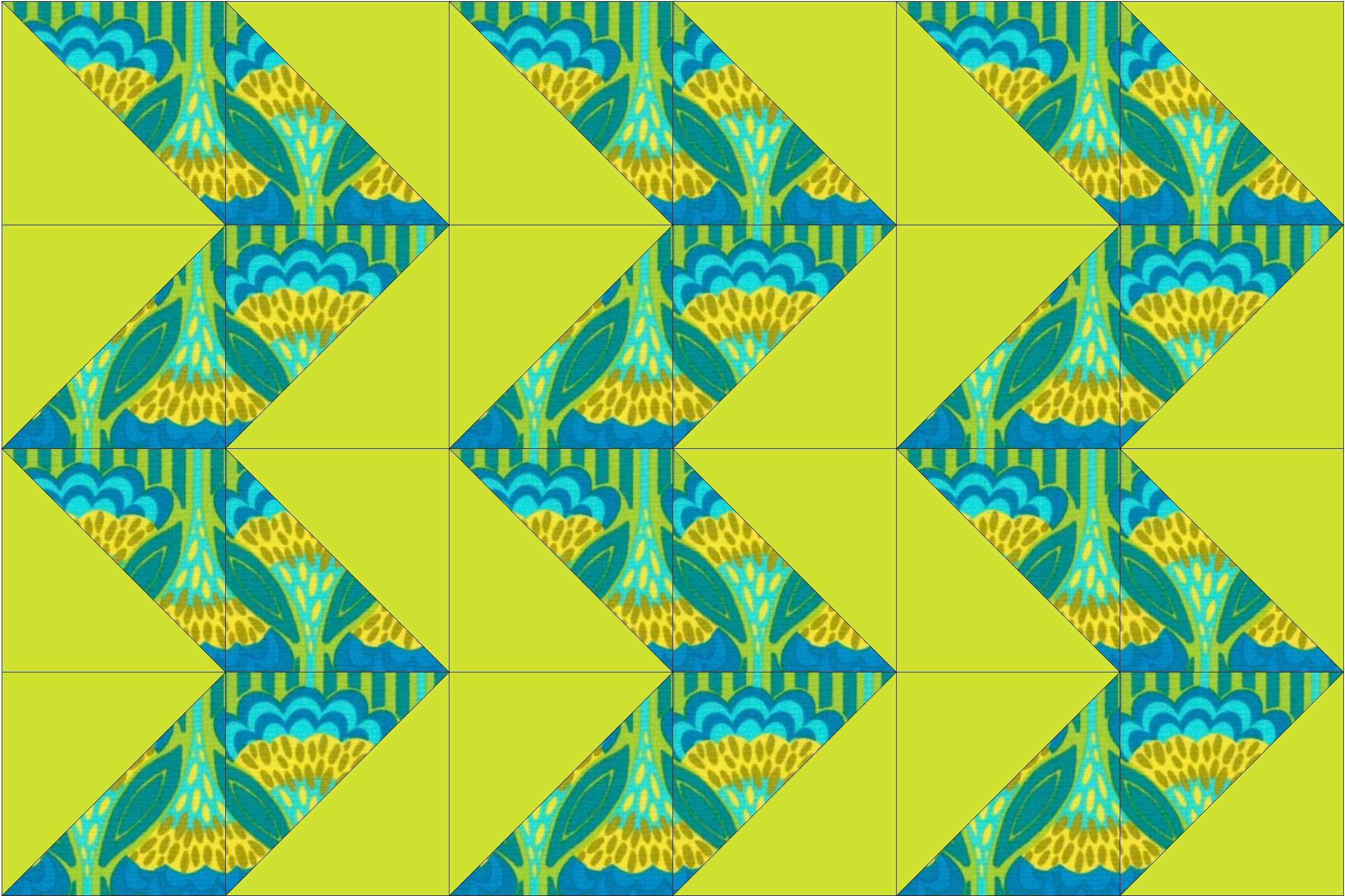
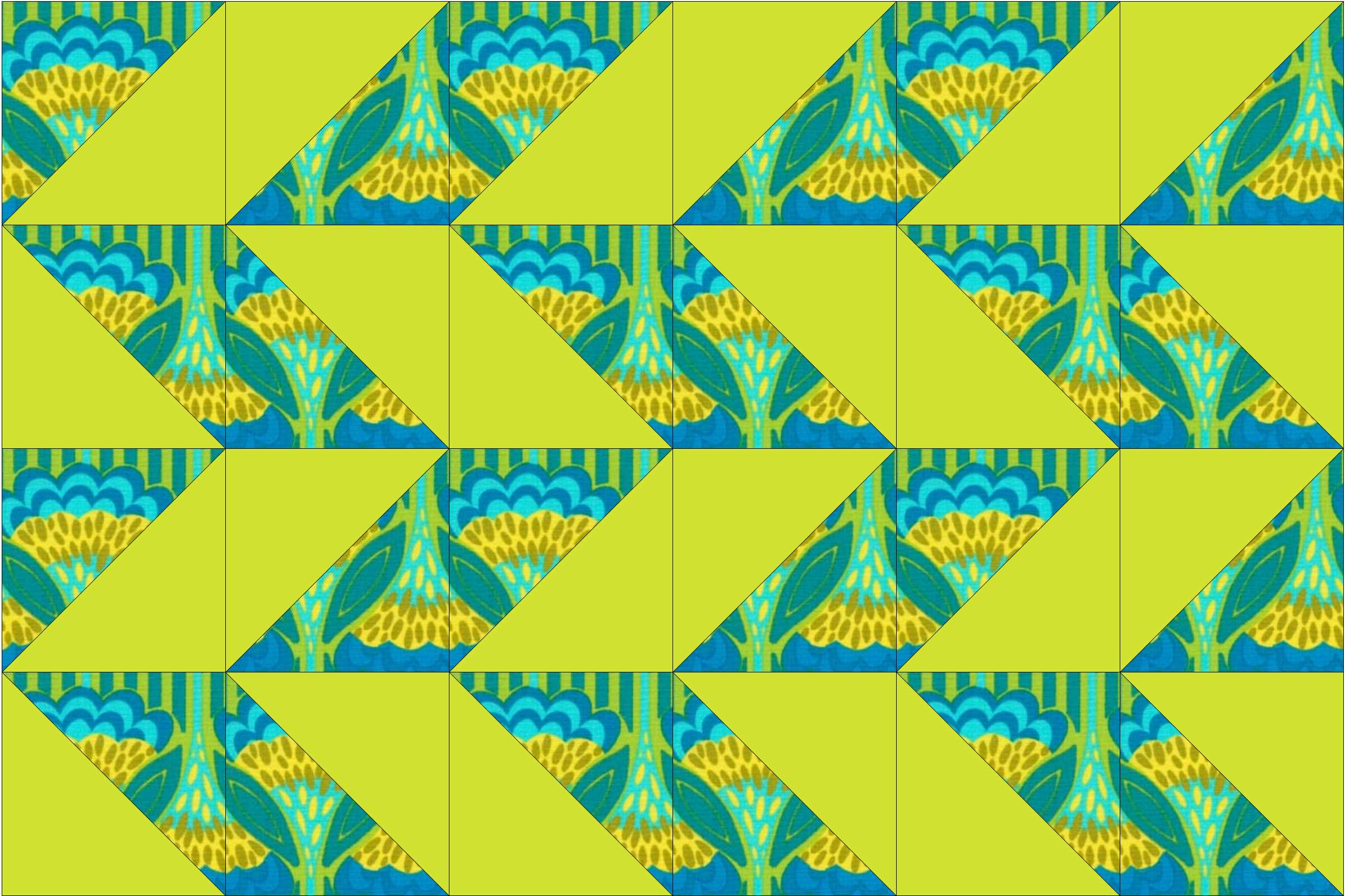
3. Pick an asymmetric block, make lots of them (on paper or in fabric) and rotate them into different combinations. There are almost endless variations with HST (half-square triangle) blocks, for example.

These options should keep you busy for a LONG time. I suggest you buy a graph paper notebook and some colored pencils so you can keep your designs all together. Next thing you know, you’ll have more quilt designs than you could make up in a lifetime! You can just pick your current favorite next time you want to make an original quilt.

The next blog on designing your own quilts will be the first Sunday in June.  Meanwhile, remember that it can be fun to try out a design by making just a small quilt.  You could make a lot of HSTs and combine them in 4 different ways for a set of 4 placemats, for example.  Have fun!

pieced placemat

This is made from HSTs that finish 3″ square, set 4 x 6 so that the mat is 12″ x 18″

pieced placemat

The same HSTs have been rearranged here

pieced placemat

Using the same fabric in different arrangements is a fun way to make a unique set of placemats

pieced placemat

I recently saw this arrangement touted as an “easy herringbone quilt”

Gallery Show!

applique art quilt

Leaf, made in class with Laura Wasilowski

The Asheville Modern Quilt Guild is lucky enough to meet in a nice conference room in the building occupied by both the Quilt Alliance and the Handmade in America organization.  Because of those connections (and the quality of our work) we will be having a show of our members’ work at the gallery maintained by Handmade in America.  This is an organization representing craft artists from Western North Carolina (that would be us!) The work they represent is very high quality, so we are thrilled to be invited to display our work in their gallery, located at 125 S. Lexington Avenue in Asheville.  (The entrance is on Hilliard Avenue between Church and S. Lexington.)

I’m including pictures in this post of the works I’m submitting, but I hope any of you whoshow announcement are in the area will come see the show.  It will run April 29 – August 19, with an opening reception 2-4 p.m. on Sunday, May 4.  We have several fine quilters in our group, and they really do make “all kinds of quilts”, as the title of the exhibit suggests.  Please come!

Handmade-3

Improv I, my original design

pieced quilt original design

Bubble Up, my oritinal design


Quilt Alliance Challenge

After thinking I would use Sunbonnet Sue as my inspiration,

Fabric scraps

Scraps!

I did a total about-face and chose a scrap quilt instead.  I LOVE scrap quilts, and since I certainly HAVE a lot of scraps, it all works out 🙂

Here’s the process for this year’s Quilt Alliance donation quilt.  I wanted to use tiny scraps and have one tiny star.  I used Electric Quilt (EQ7) to print a foundation pattern for a star that finishes about 3″ square.  The first one I made, using the brand of fabric we’ve all

depended on for solids, was just a little off.  Turns out the “beefy” thick texture of that fabric doesn’t lend itself well to tiny, tiny points (the center square here is 1/2″ x 1/2″).  So I re-generated the foundation pattern and, as often happens, decided on a little design change at the same time.  Then I made the star using Moda Bella black, which is a lighter weight cloth that folded more crisply in such a small space.

For the rest of the quilt I pulled out my zippy-colored Michael Miller cotton couture scraps and just sewed them together as I took them out of the box.  Eventually I had to cut a few more “scraps” to finish the top.  There were so very MANY seams that I was glad of the lighter weight of this cloth, almost like voile.  It took many days to do this, quite a bit longer than I had expected for a 16″ x 16″ quilt!  The smallest pieces finish about 1/4″ squares or triangles!

scrap quilt

Quilt Alliance Challenge 2014

So here it is!  I would love to count the pieces, but I don’t think I have the energy left to do it!  Besides, who wants to know a thing like that? 😉

Stash smash: 8 inch squares

I’m slowly working my way through my stash, and currently my focus is on “unfinished projects”.  There seem to be a lot of them 😉

8" squares

8″ Squares

I found this stack of 8″ squares that was made as the start of a quilt a while back.  I didn’t like the pattern once I got started on it, so here’s this stack with no purpose.  Not my favorite fabrics is part of the problem, I think.

Of course, SOMEBODY sure would like these fabrics, so I had options:

1.  Try to give them to friends.  But those friends probably would try to give me some of their stash in return!

2.  Put them in the donation pile.  Several problems with that idea; never mind!

3.  Make them into something.  Since I make a fair number of donation quilts for Ronald McDonald House, that seemed like the best bet.

So I paired lights with darks and cut each pair into 3 unequal strips.  I did the cuts at random intervals, but parallel to the sides to keep the blocks from getting too wonky.  Then I traded the center strips and sewed the strips back together to make a set of 2 blocks.

I stacked the sets again and cut them at irregular intervals, switched the middle strip again, and re-assembled them into irregular 9-patch blocks:

Now they are a donation quilt top for Ronald McDonald House, and this one will be suitable for an older child, since the fabrics aren’t juvenile novelty prints.  Success!  Another stack gone!  And another donation quilt done!

I’m taking part in “Aunt Marti’s” UFO challenge so to finish 12 UFOs in 2014.  It might help you get your UFOs done, too.  Click HERE for the link to the original post where she tells you how to do it.

nine patch quilt

Nine Patch Quilt

Hope you have a good week.  Maybe some of your leftovers would make good donation quilts, too!


Find Your Inner Designer – Part 1

Some of my readers have asked about how I design quilts, so I’ve decided to do a monthly series of posts to lead you to design your own original quilts. I know there are several courses and lectures out there on “principles” of modern quilt design, but this series is about a practical approach.  So here is Part 1: Start by tweaking a design you already like.

Start with a traditional-style pattern you want to make.  By traditional-style, I mean one with multiple similar blocks, probably arranged in a grid.  Here’s my example, which really is more of a modern design because the blocks are improvisationally cut, but it has the blocks in a grid

modern pieced quilt

I saw this quilt at the house where we have retreats

Now experiment, tweaking this pattern (or a similar one) 3 different ways:

1. Change the size of the blocks. A quilt made up of 20 blocks each 10″x 10″ will look quite different from a quilt of the same size made up of 80 blocks 5″ x 5″.

You can go up or down in size, but change the size of the blocks. If the math gives you trouble, either get help from a friend who LOVED algebra in high school, or use a computer program like Electric Quilt to re-draw the blocks in the size you want and give you instructions for cutting them. If you want to make the blocks very small, consider paper piecing: Just draw your paper base and you don’t need any math because the pieces you use to construct the block on the paper base aren’t cut exactly to size.

.
2. Change the size of just one (or a few) block(s):

modern quilt design

Substitute one large block for 4 of the small ones!

Either replace one block with 4 little blocks 1/4 the size of the usual, or replace 4 regular blocks with one big one. Either tweak makes the overall quilt design more interesting.

Pieced quilt

Substitute 4 little blocks for one large one–or for several large ones!

3. Add (or subtract) a little: Instead of making the usual grid of blocks, add a strip or a row of blocks to each row to make some of the grid offset. I like to put the insert at a different place in each row.

modern quilt design

Insets make the blocks move out of line in some places, adding interest

Another option is to remove the sashing and/or border(s) from a quilt, or to insert an extra border.

You don’t have to sew any of your designs unless you want to; just draw them out on graph paper (or your computer program), and color them if you like. The drawing counts as a design! And don’t worry that modifying somebody else’s design isn’t “original”. You have to start somewhere, just like the designer of your pattern did!

Now, go try some of this! I like to make baby quilts to try out new designs or techniques—not too much commitment in time and materials, but I learn a lot. And watch for the next post in this series; I’m going to do a design post the first Sunday of each month for a while.

Pop-up Show

quilt show

Asheville Modern Quilt Guild Show

Here are some pictures from the Asheville Modern Quilt Guild’s Pop-up Quilt Show, held Sunday, March 16 at the Folk Art Center on the Blue Ridge Parkway.  We had good attendance and gained several new members!  As you can see, we had some members demonstrating quilt making, as well.  If you missed it, the Guild will have a show at the Handmade in America gallery in Asheville from mid-May through mid-August.  Meanwhile, here are some of our members and their quilts:

First, here’s Diana Kantor with her amazing table runner.  It has 3-D folded flowers and leaves in addition to that beautiful quilted design in the center!

quilted table runner

Diana Kantor

And here’s Erica Kilgo with her very fun Bricks and Bubbles quilt:

modern quilt

Erica Kilgo

Here’s Amy Anderson with three of her beautiful quilts:

modern quilts

Amy Anderson

Here is Connie Brown with some of her amazing art quilts:

art quilts

Connie Brown

Emily and Miriam Coffey weren’t able to be there, so I don’t have their pictures, but here is one of their beautiful quilts:

modern quilt

Emily and Miriam Coffey’s quilt

And of course we had our Opportunity Quilt on display so people could take an interest and maybe even buy tickets:

modern quilt

Asheville Modern Quilt Guild Opportunity Quilt

Hopefully you’ve found these quilts inspiring.  If you’re interested in joining our guild, here is a link to our Facebook page.

Next week I’m starting a series on designing your own quilts.

Pantone Challenge–Go Vote!!!

The online Pantone Challenge is accepting Reader’s Choice votes now.

Go HERE to vote for your favorite quilt in each of the 3 categories:

  • Quilts (full size)
  • Mini quilts
  • Just the Top (entries that aren’t quilted yet)

You have to scroll down quite a ways to get to the entries.  Pick one favorite in each category.  Vote by clicking the heart in the upper right hand corner.

Mine is #36 in the second category, Mini Quilts.  So many fun quilts to look at!

Applique quilt

Radiating Orchid mini-quilt for the Radiant Orchid Challenge, 15″ x 15″