My Modern Sampler: Humbug Star

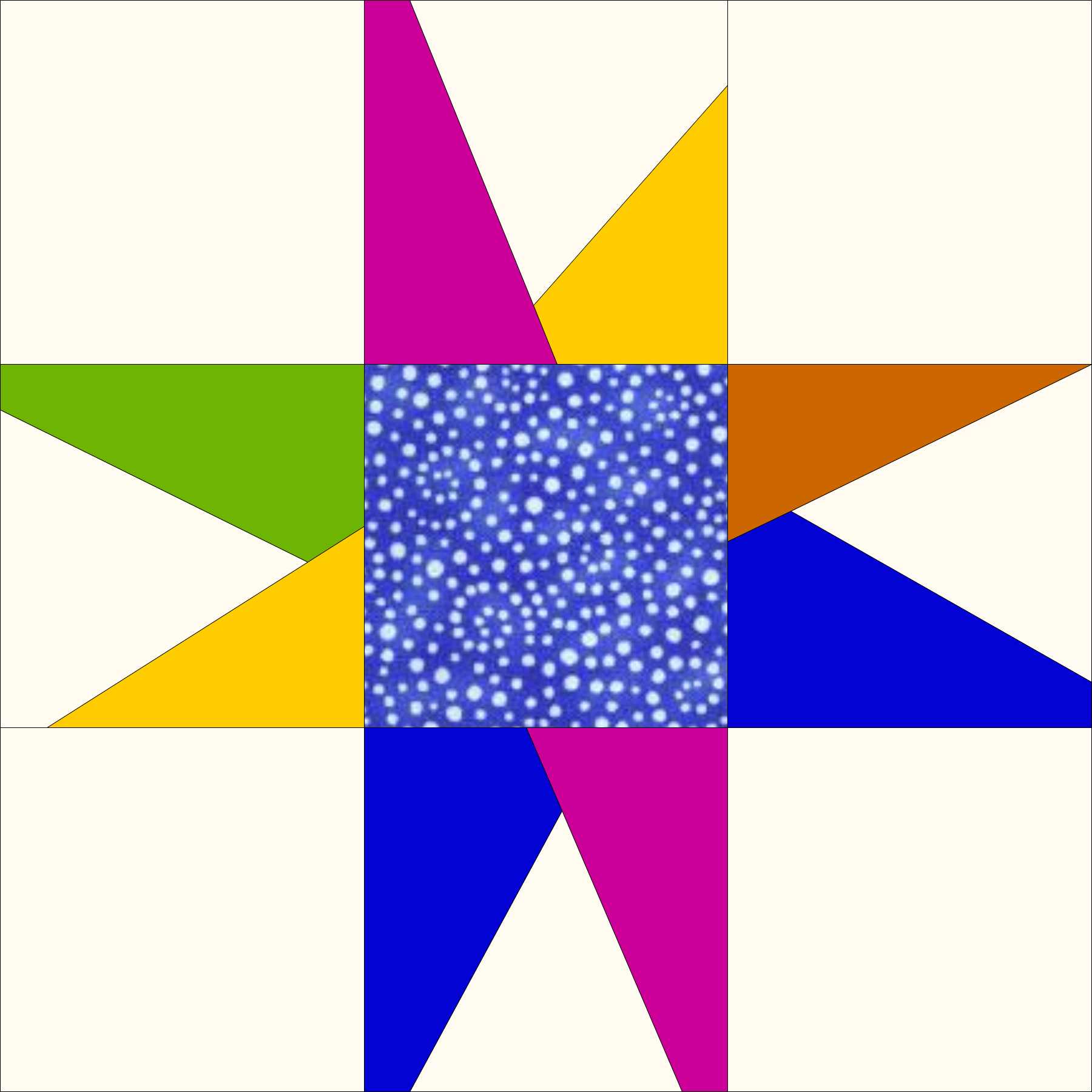
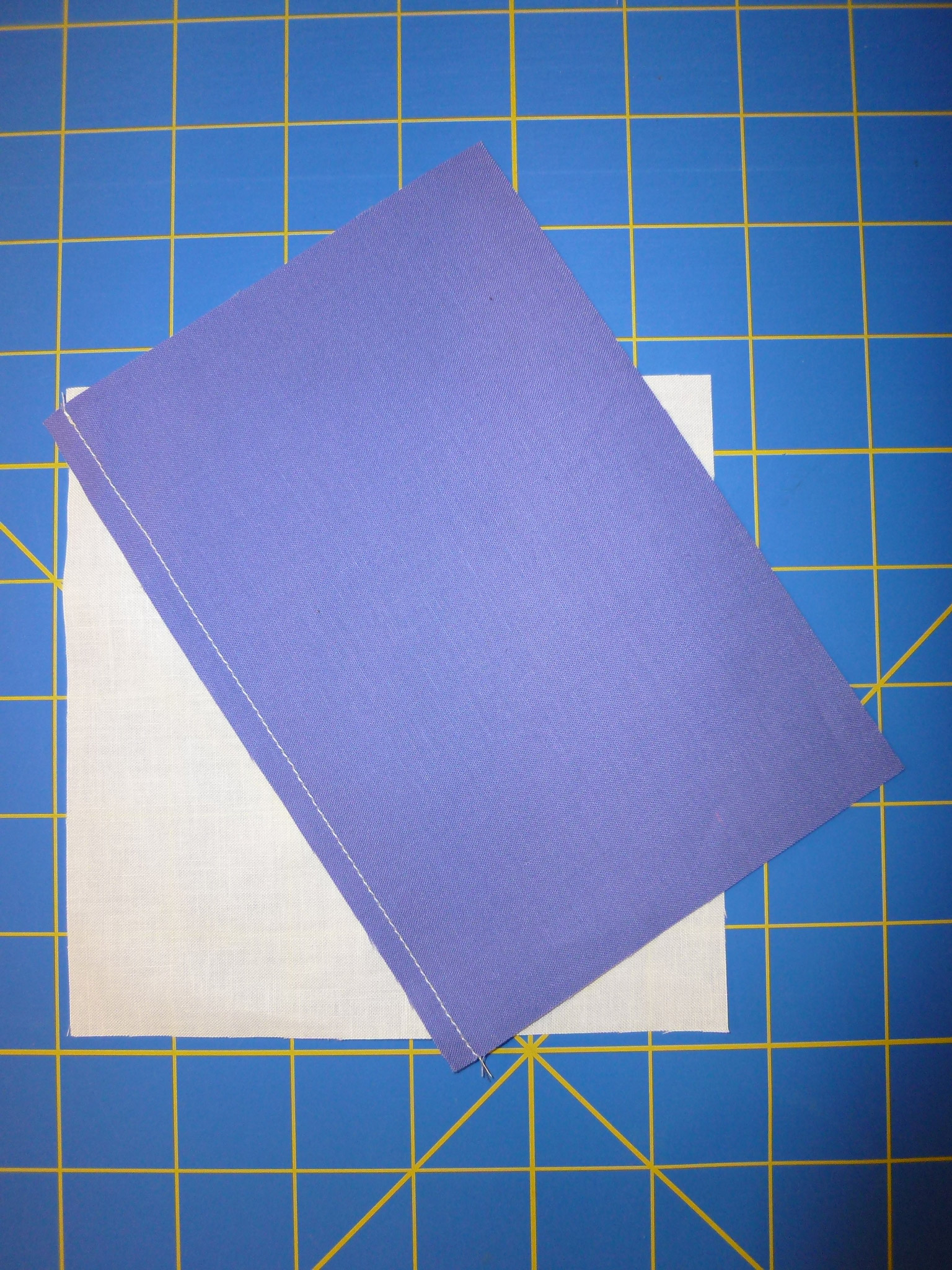
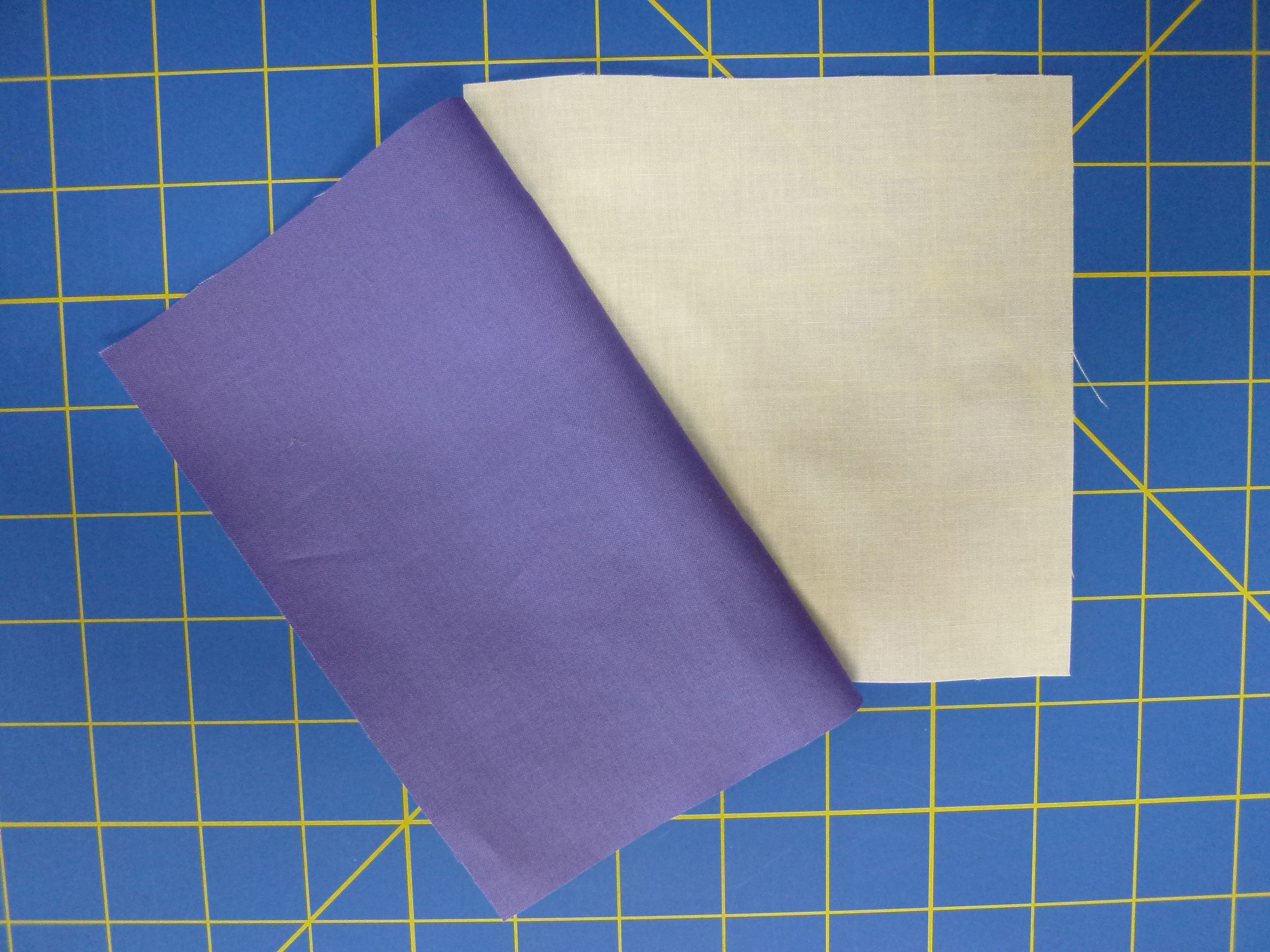
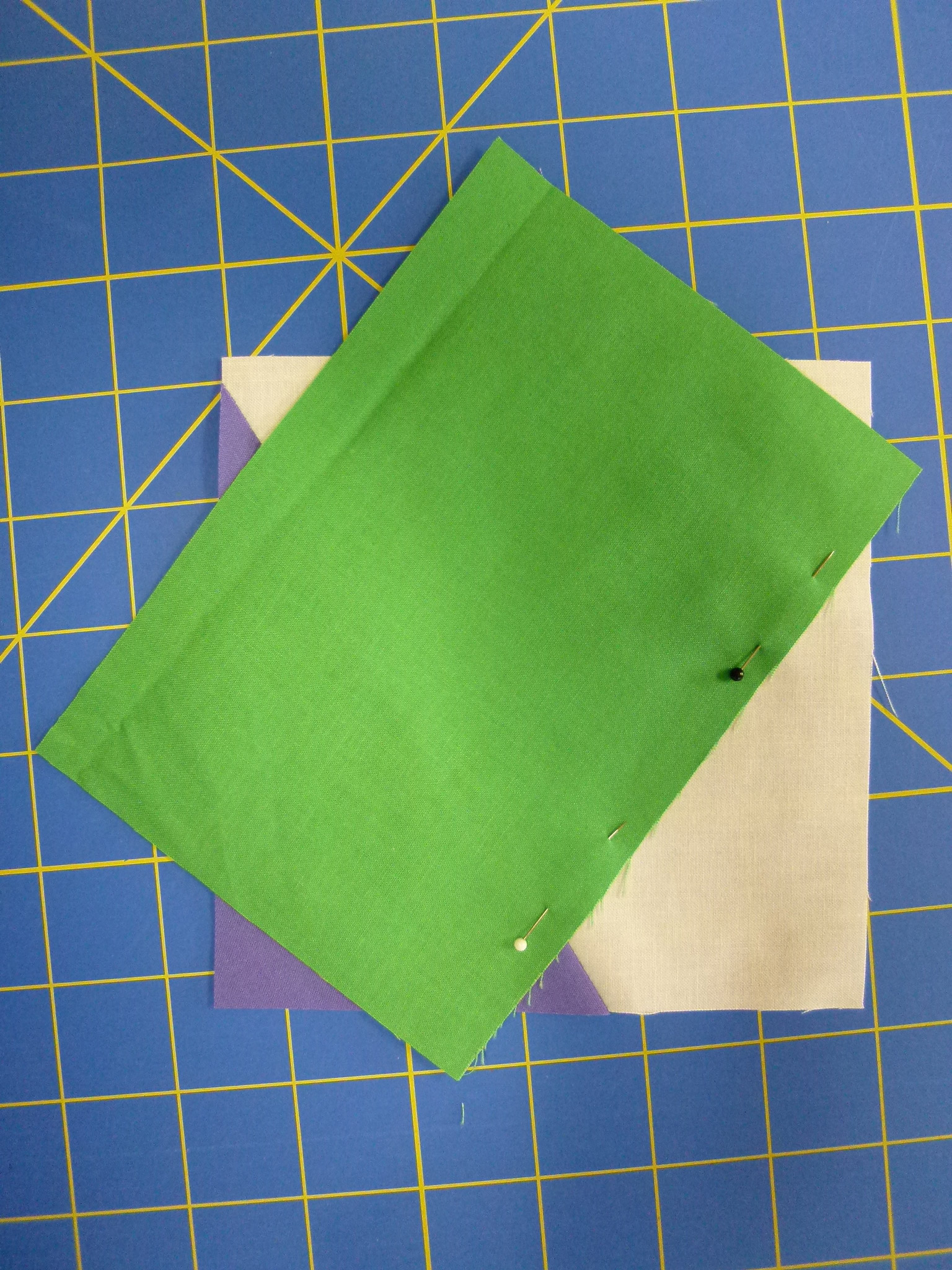
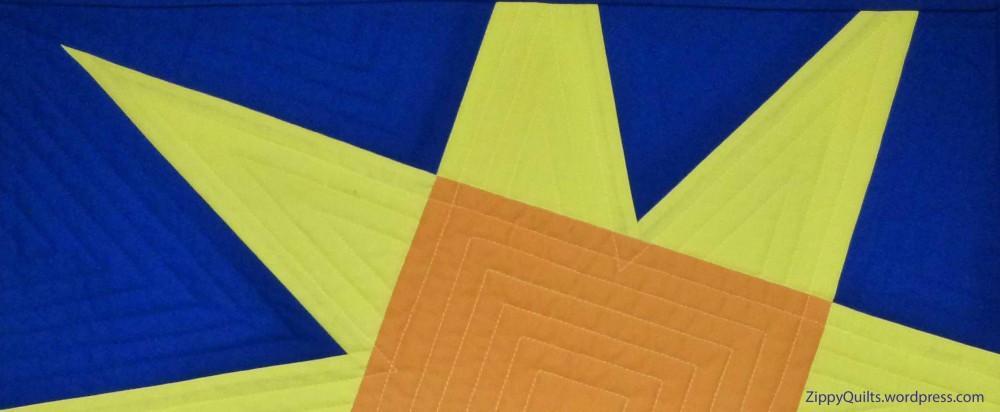
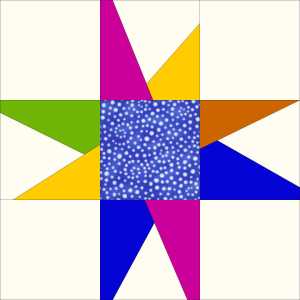
I recently read one of Gwen Marston’s books, and she had directions for a sew-and-flip star.  Like most of modern quilting, this star has been published by multiple people in multiple places, so it’s not new.  However, if you’ve never done sew-and-flip, you can find my tutorial below.  It’s a very fun technique.
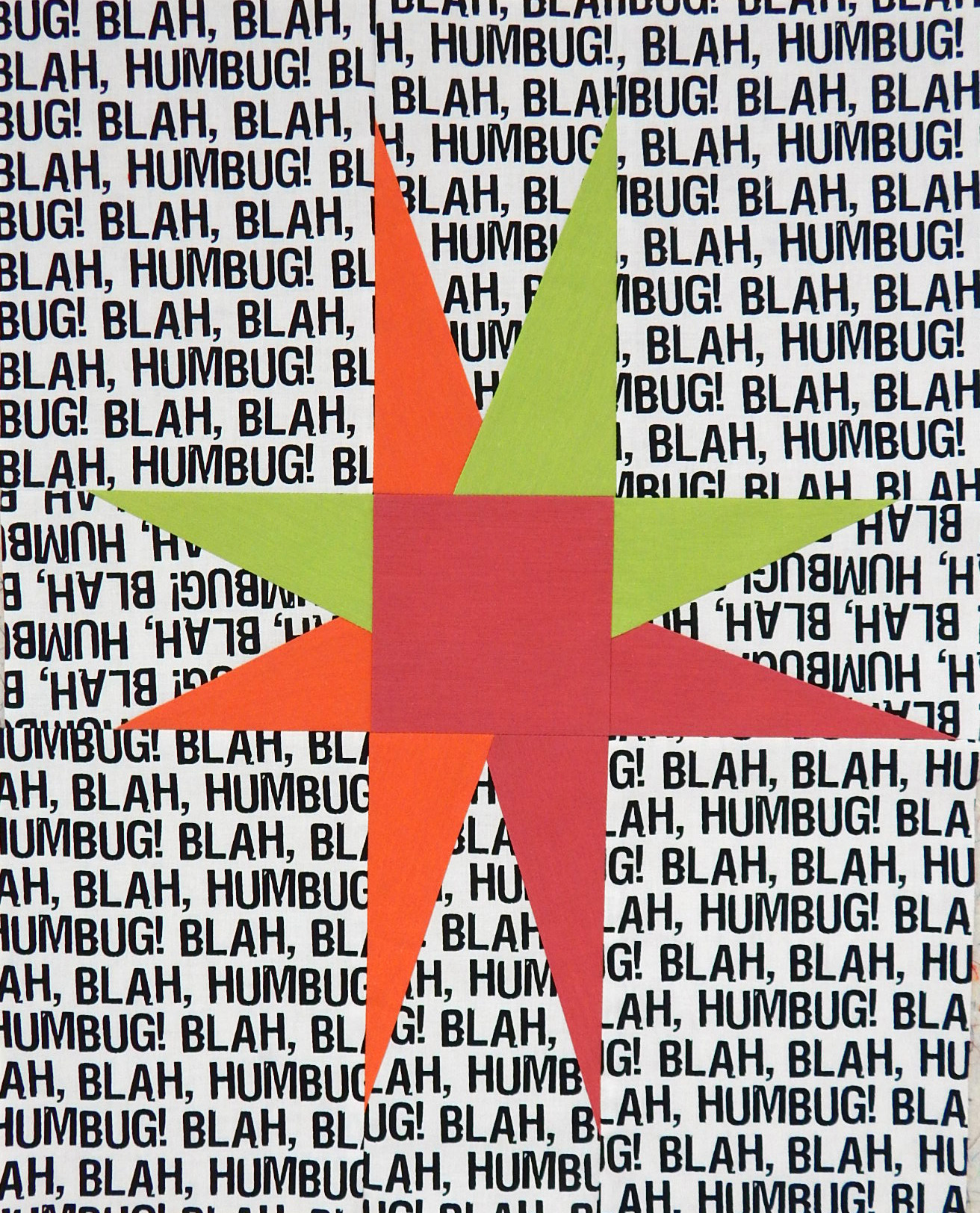
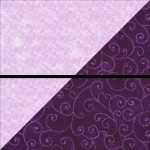
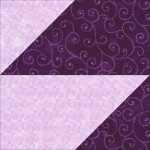
flip and sew star

There’s a major flaw here!

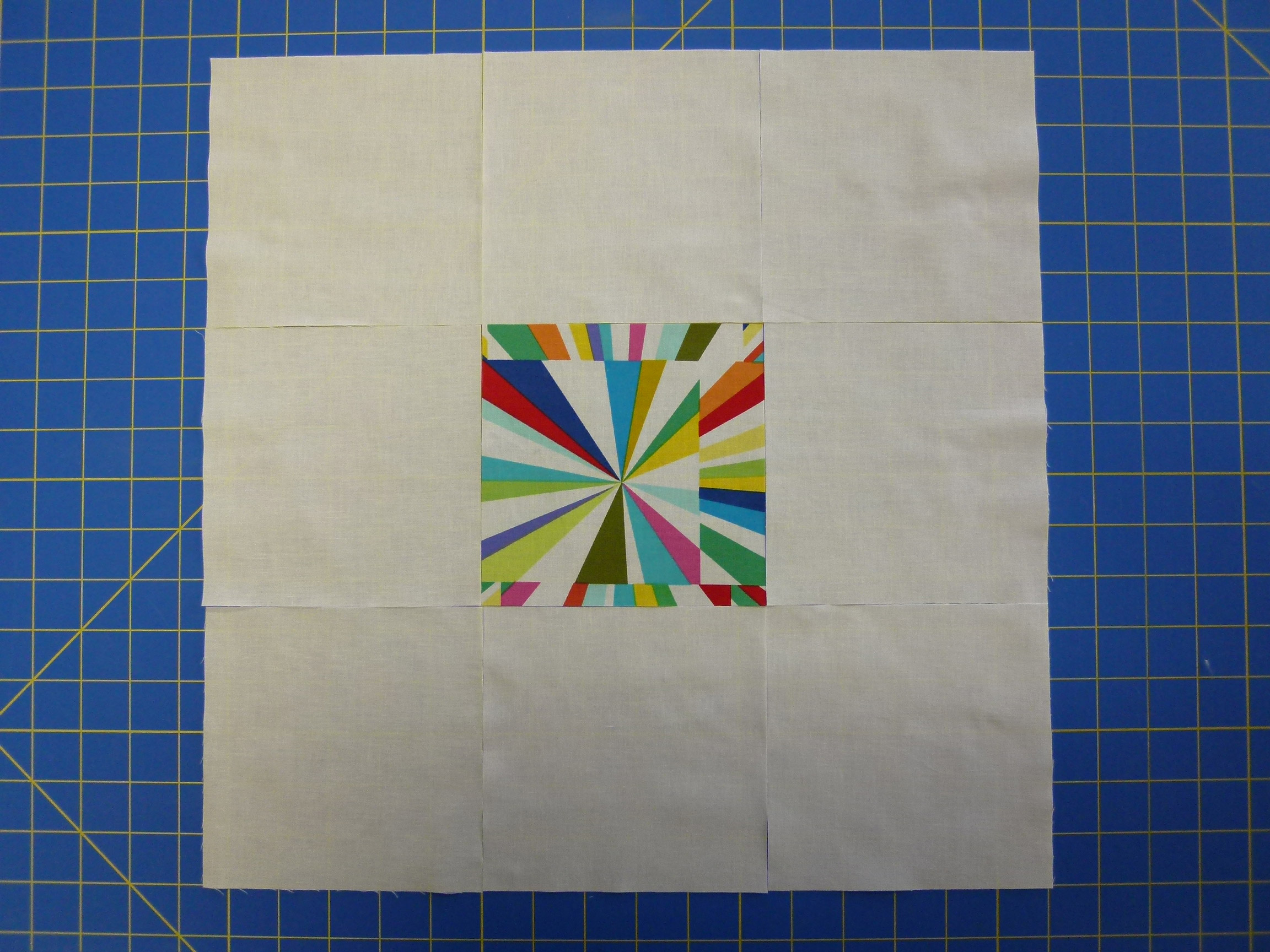
So, HUMBUG!  Can you see what I did wrong?  I didn’t see it until I took the picture!  I rarely rip out seams in my improvised blocks, but this was too much for the perfectionist who whispers in my ear much of the time.  So here’s the corrected block:
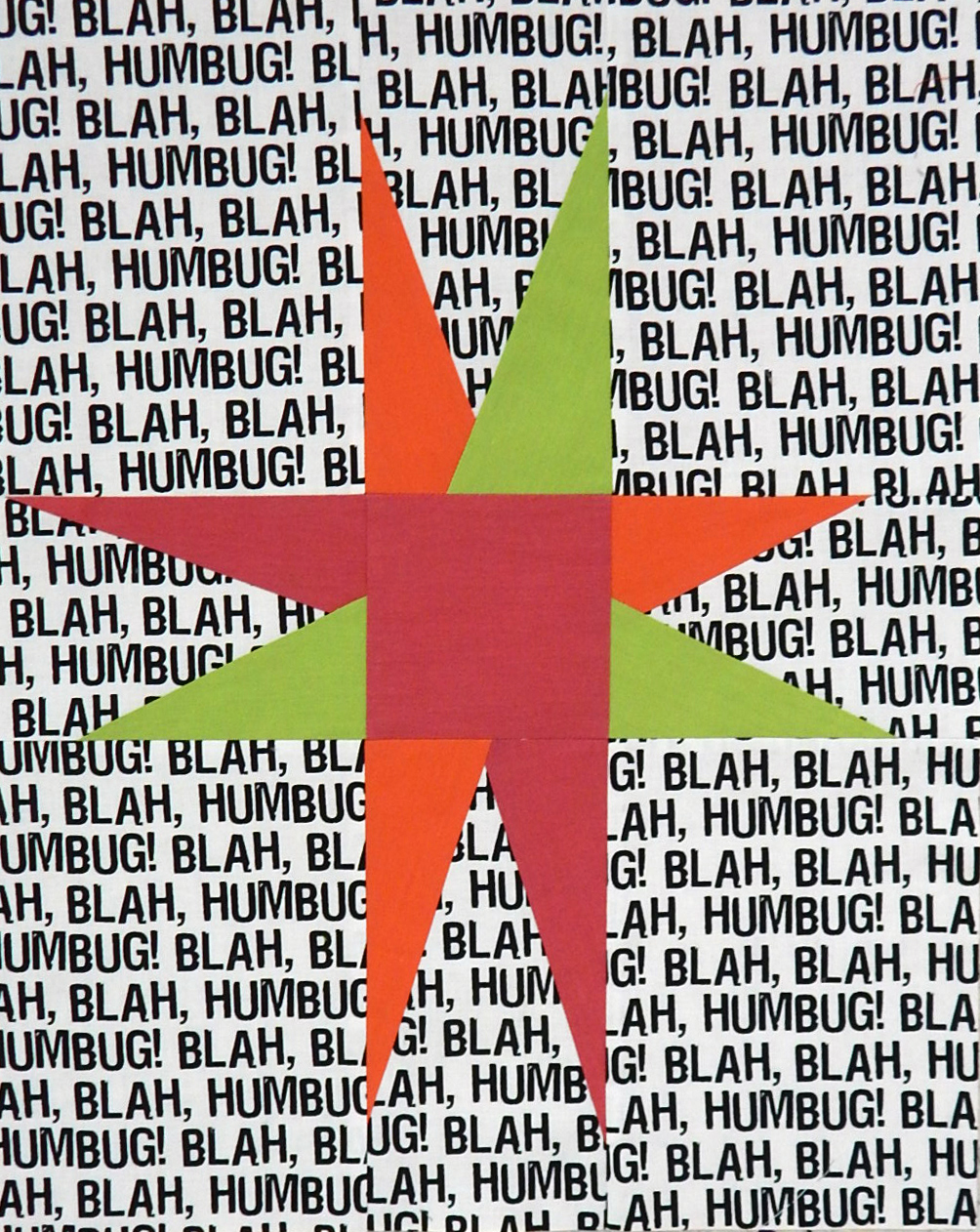
Sew and flip tutorial

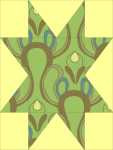
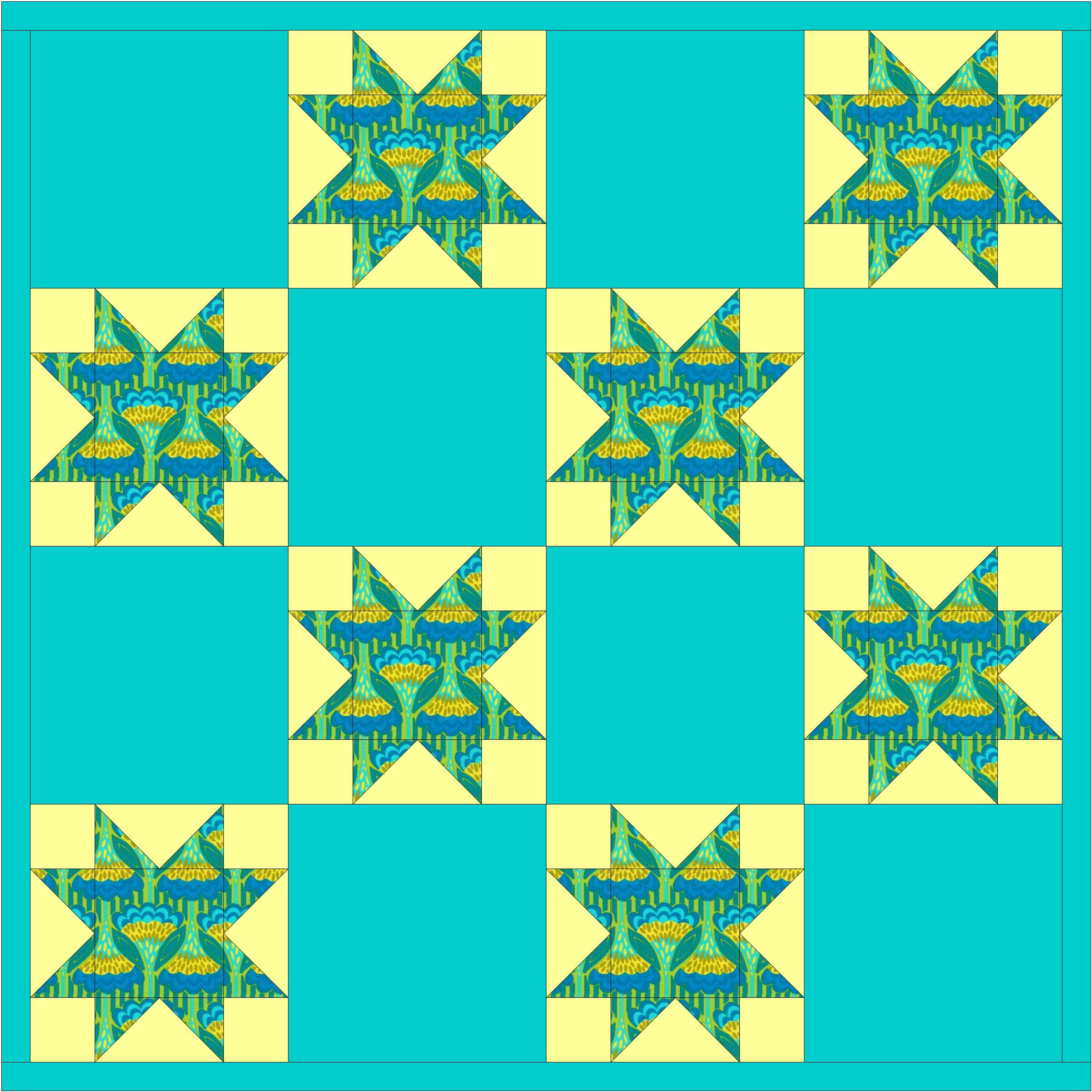
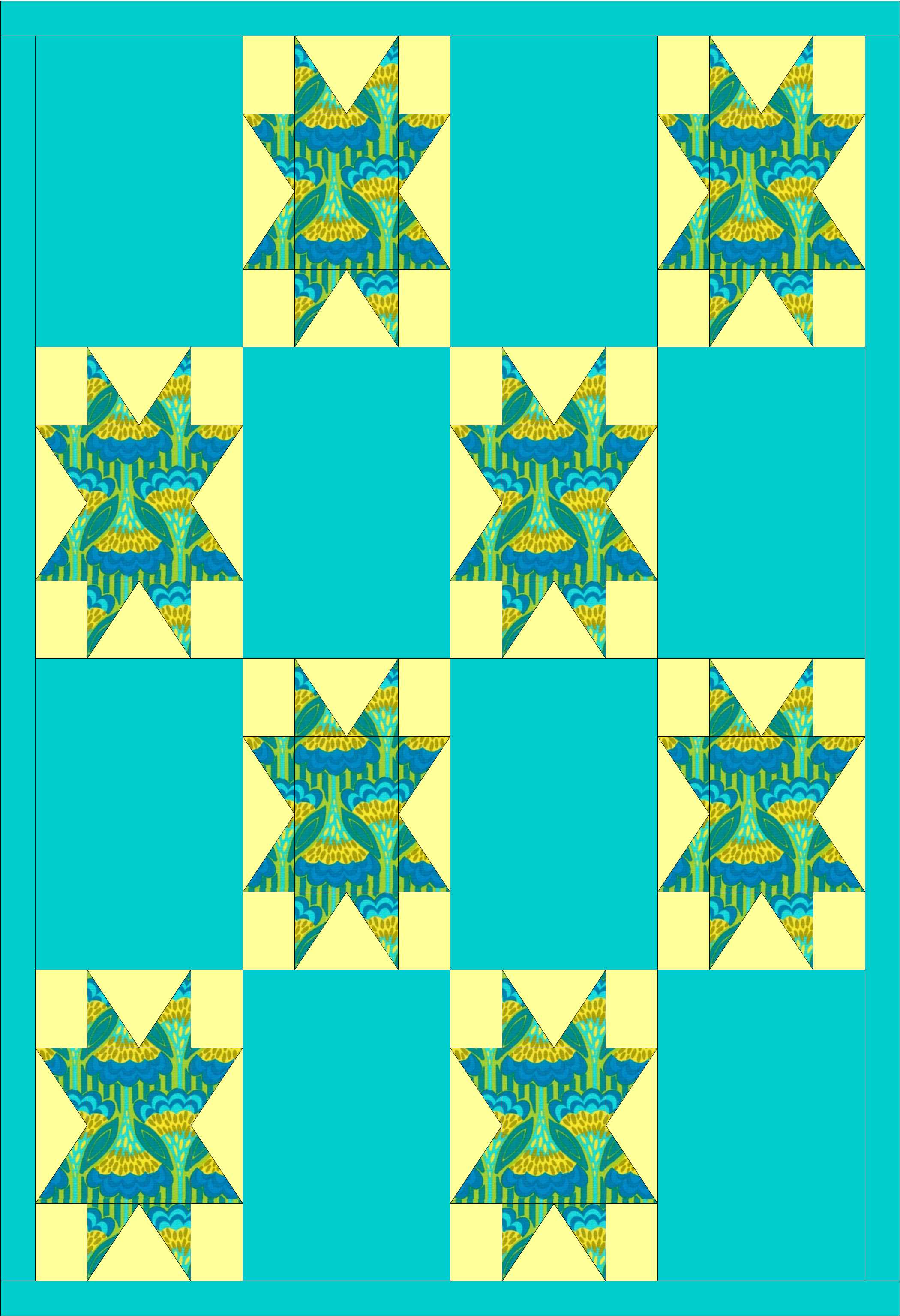
Humbug Star

This block finishes 12″ X 15″.

Here are the links to my other modern sampler blocks so far.

My Own Modern Sampler–It May Take A Year!

The Modern Sampler Continues

Improv Block I


And here is the tutorial on the sew-and-flip star.

This project was originally developed for Modern Quilts Unlimited magazine.  You can read about it here.

Unfinished block size 15″ x 15″
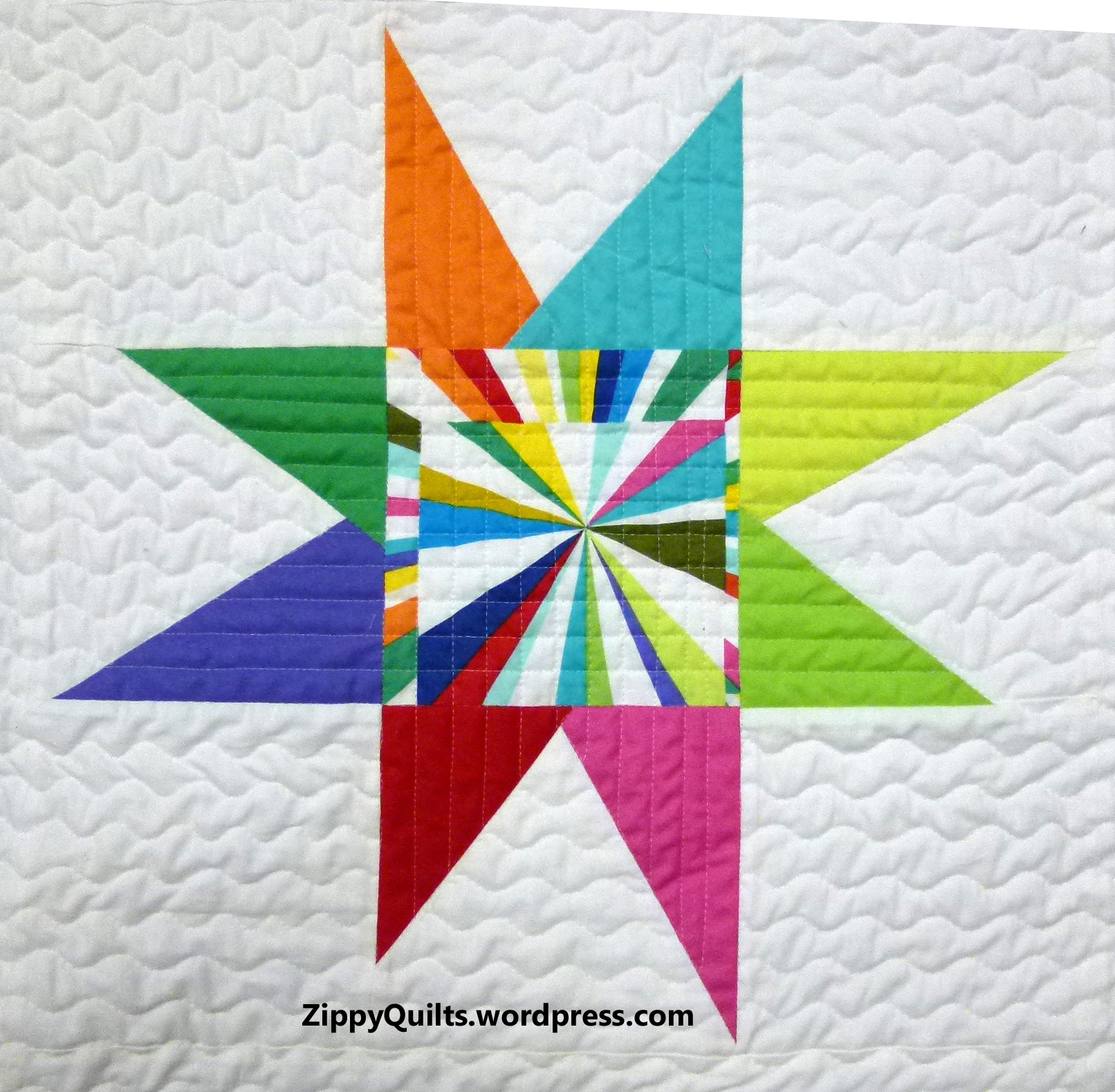
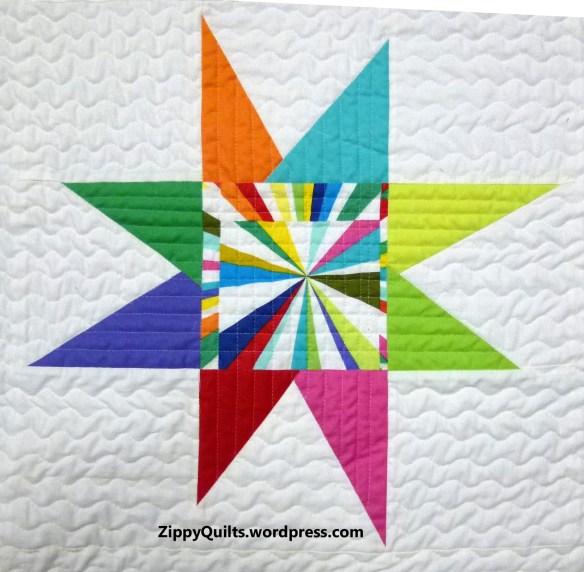
modern star block

This block finishes 14-1/2 x 14 1/2 inches

Fabric Requirements
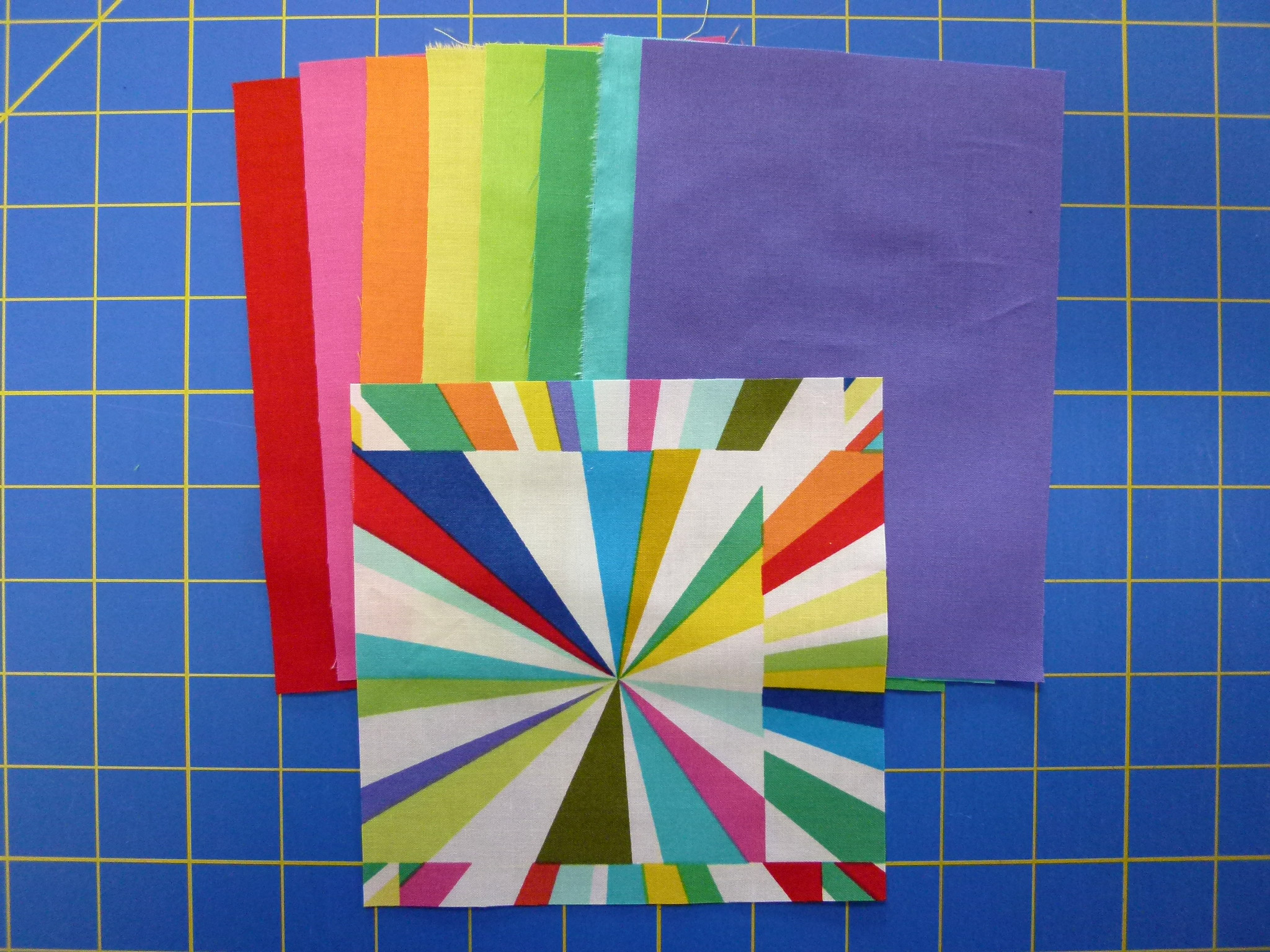
modern quilt fabric

Fabrics supplied by Michael Miller Fabrics

Background fabric 16 1/2″ x 16 1/2″

Star center fabric 5 1/2″ x 5 1/2″

Eight solid fabrics for star rays, each 6 1/2″ x 4 1/2″

Piecing Instructions

Note: all seam allowances are 1/4″.

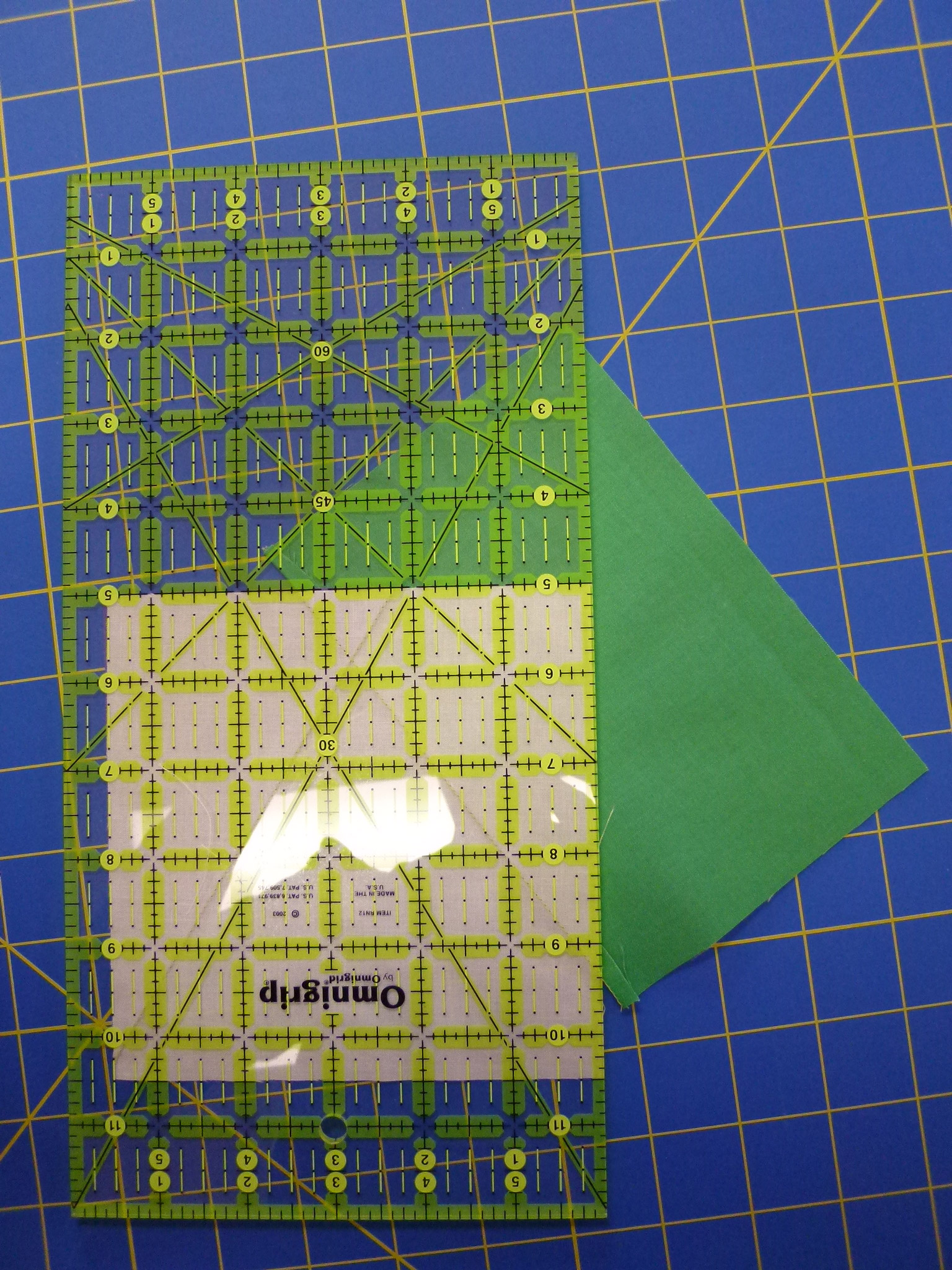
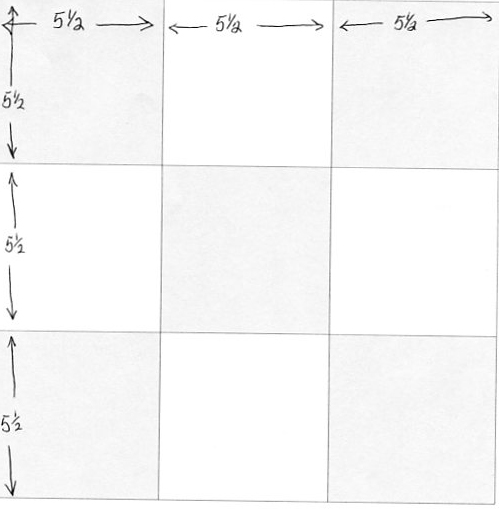
  1. Cut the background fabric into a 9-patch of 5-1/2 inch squares as shownCutting Diagram
  2. Remove the center square and replace it with a 5-1/2 inch square of your center fabric
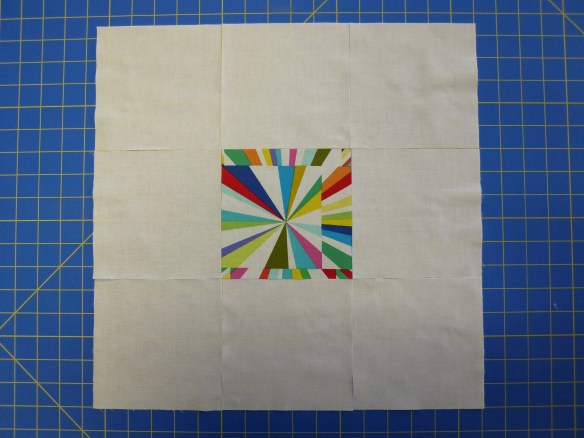
    Center square surrounded by background squares

    Center square surrounded by background squares

  3. For star rays, build 2 rays on each of 4 background squares as follows:
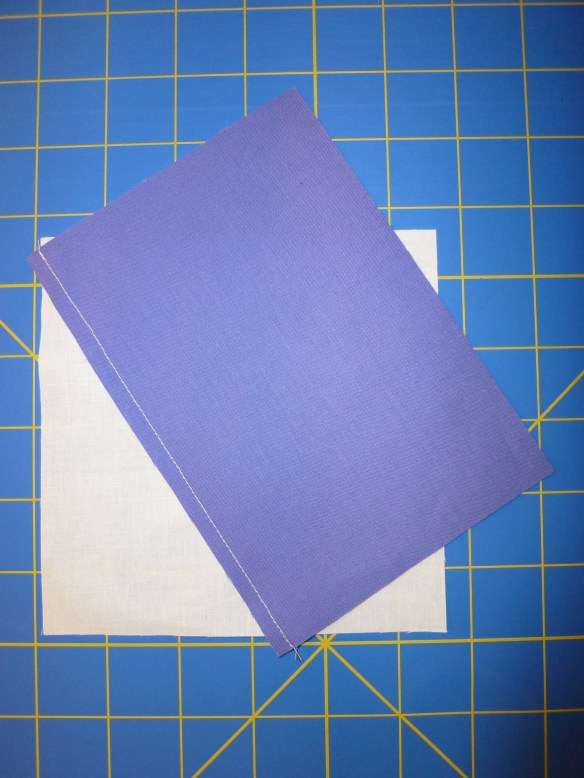
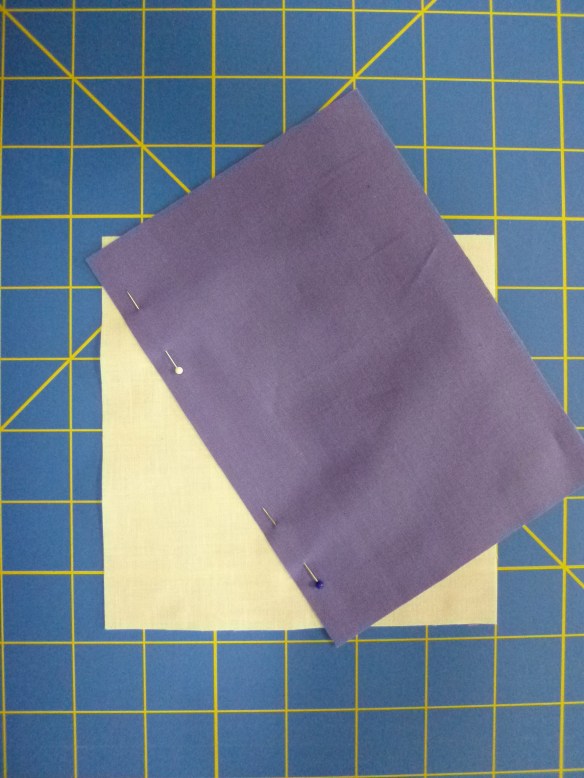
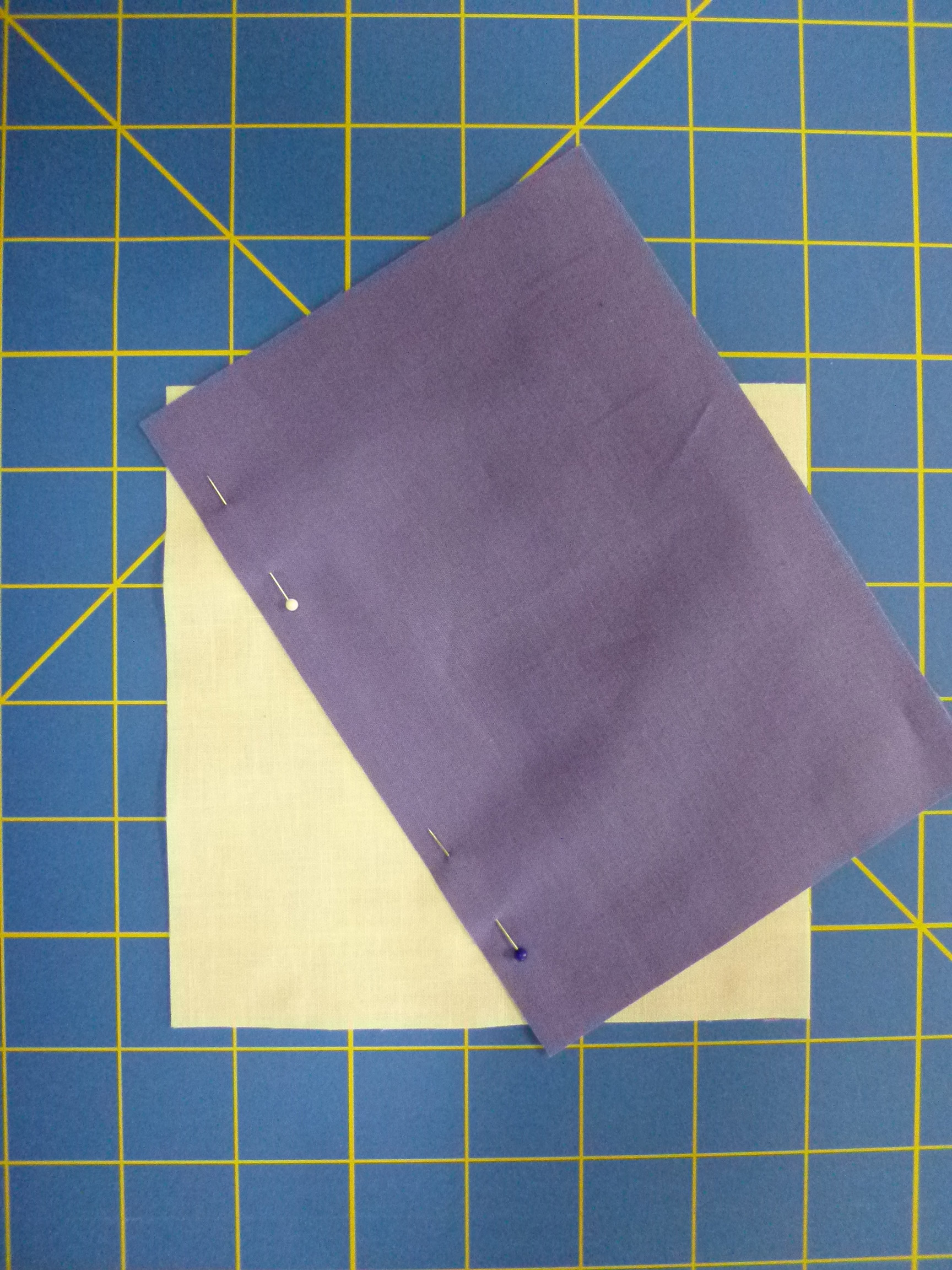
  • Lay the one 6 1/2″ x 4 1/2″ piece of solid fabric on a 5 1/2″ x 5 1/2″ square of the background as shown.   Place pins approximately where the 1/4″ seam will be along the long edge of the ray and turn along the pins to check placement.  Diagram-3-web Adjust if needed to make a star ray that suits you and to completely cover the foundation piece where the star ray will be.  Note that you will need to have your ray end at least 1/4″ from the edge if you want to see the point.  However, if you want blunt points there’s nothing wrong with that!  Here’s an example:Blunt point example
  • Reposition the pins and stitch 1/4″ from the edge of the ray as shown below:Diagram-5-web
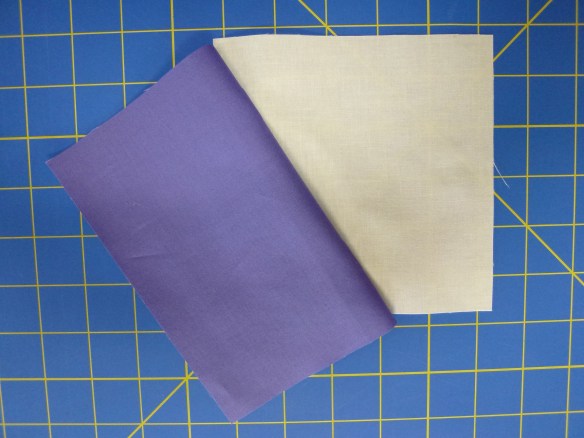
  • Remove pins, turn the ray back into place, and press. Trim the side and bottom edges of the ray even with the foundation fabric.  Do not remove the foundation fabric under the ray, as it helps keep everything square and stable.Diagram-4-web
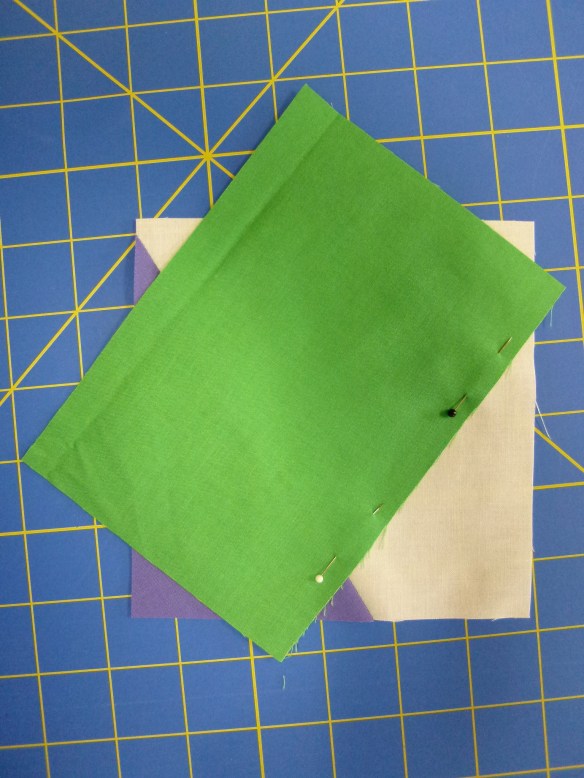
  • Place the fabric for the second ray, pin and test position, then stitch, press, and trim as for the first ray.Diagram-6-web Note that the rays need to overlap at least 1/4″ away from the raw edge where this section will join the star center. It’s fine to overlap more than that.
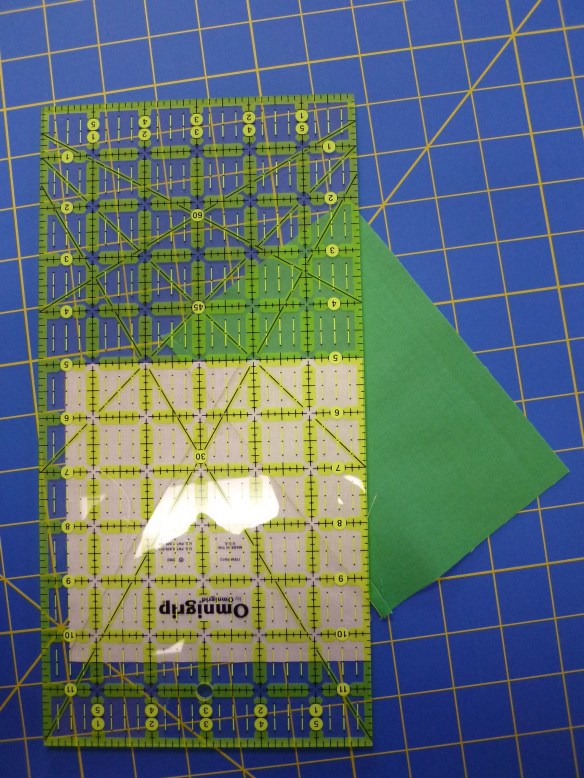
    Diagram-7-web

    Press the second ray and trim to match the background block.
  1. After building 4 sets of 2 star rays, re-assemble the 9-patch with the plain corners, printed center, and colored rays.
    modern star block

    This block finishes 14-1/2 x 14 1/2 inches

The Modern Sampler Continues

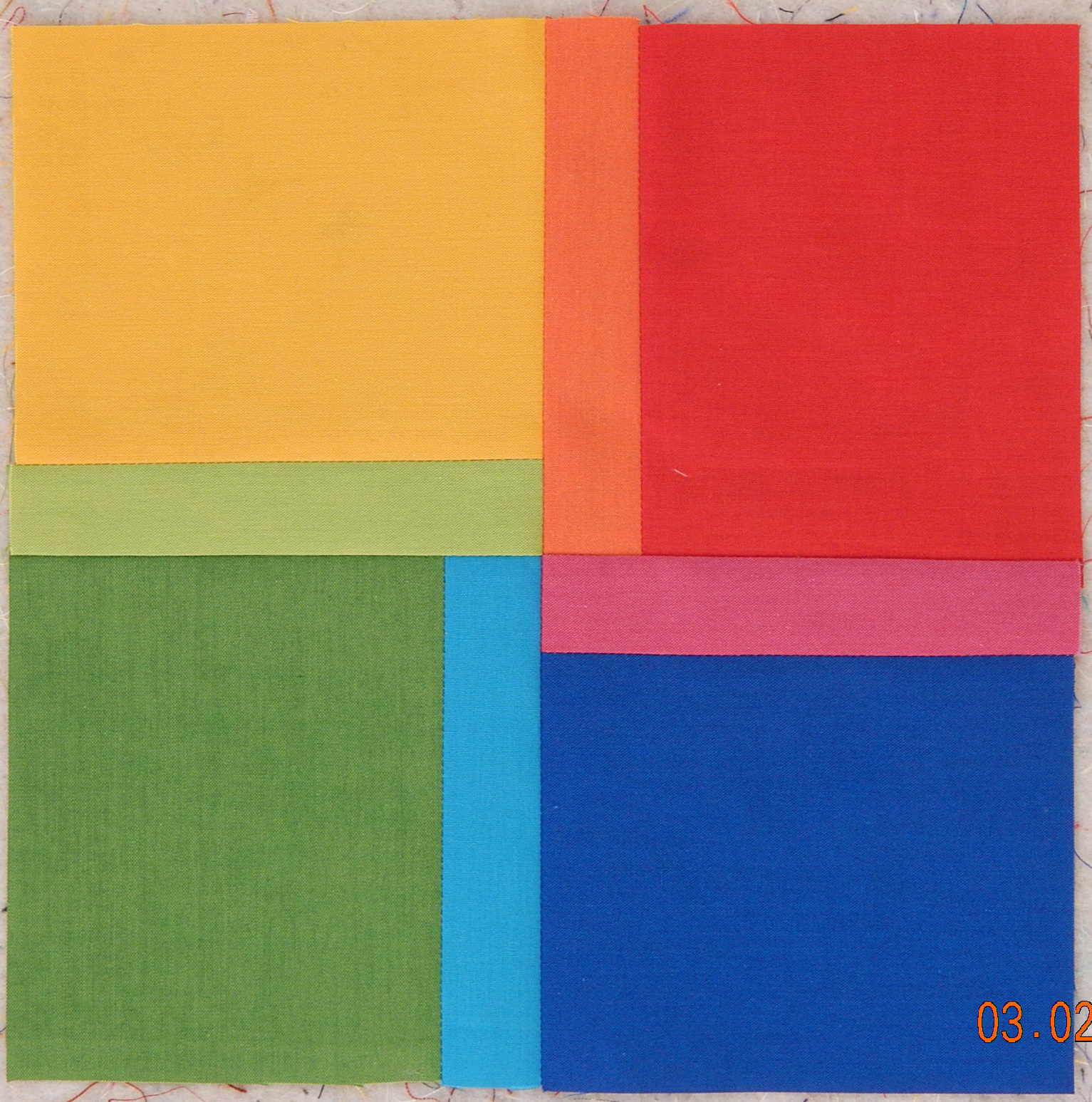
These next two blocks were made from inspirations I found on Pinterest (yes, I love Pinterest!)  The first I simply copied because I loved the colors and their arrangement in the original artwork by Richard Paul Lohse.

Modern Quilt Block

Quilt block based on the work of artist Richard Paul Lohse

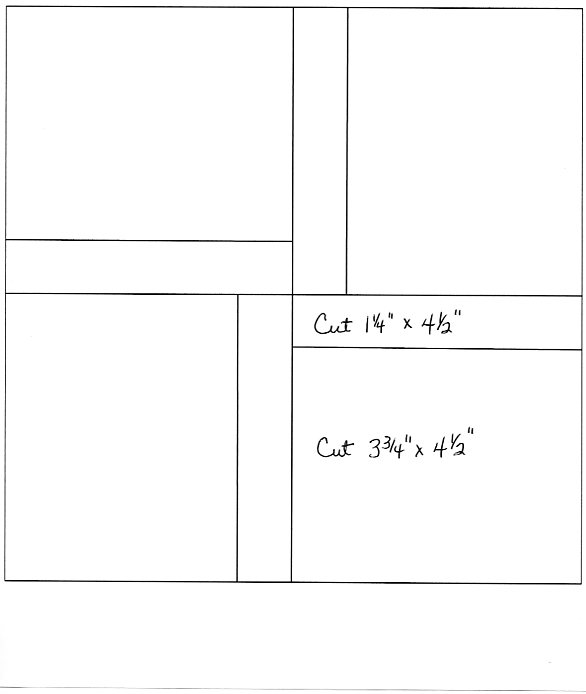
Here’s a drawing of how I constructed this block, with measurements, if you want to copy him, too.  There are 4 units, each 4″ finished (4-1/2 inches for each unit before joining) so that the entire block is 8″ finished.  I’ve marked the size to cut each piece on one of the 4 units, assuming you can take it from there 🙂

modern quilt block

Layout for block based on art of Richard Paul Lohse

If you look up the artist Richard Paul Lohse, you’ll see that a lot of his designs would make terrific blocks or whole quilts.  Great sense of color!

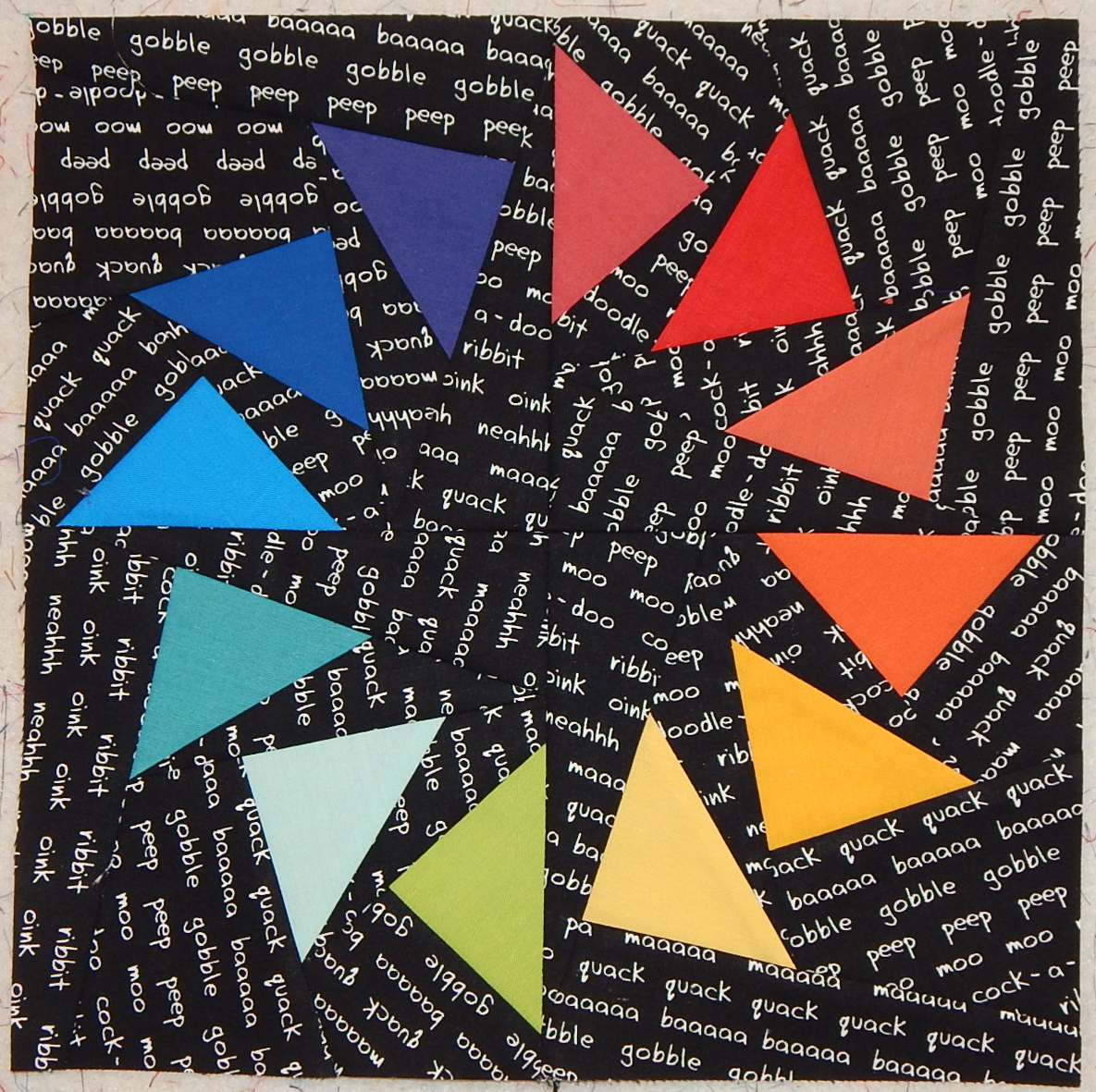
The second block was made from a tutorial I found at a website called Piece By Number and you can find the free pattern on her site here.

modern paper pieced block

Circle of Geese block made from a pattern at PieceByNumber

This block was easier than it looks thanks to paper piecing.  I enjoyed making it, though I feel no need to make another right away!

I think these two blocks have a lot of ZIP for the relatively little amount of effort they required.  The Lohse block depends very much on choice of color, so be sure to lay out the fabrics and look at them a while before cutting.  Have fun!

My Own Modern Sampler: It may take a year!

I’ve had some beautiful solids and black/white text prints in a box waiting for me to have time for them, and I’ve been studying all my favorite inspirations trying to decide how to use this stash.

modern quilt fabrics

Quilt-in-Waiting

Then it came to me:  I don’t have to choose!  I’ve been wanting to make my own modern sampler quilt for some time, and this is it.  I’m going to make lots of different blocks, JUST BECAUSE I WANT TO MAKE THEM and then combine them into this quilt.

Here’s how it will go:  I’ll make a block whenever it strikes my fancy and will post about it here in case you want to make it, too.  Some will be original, some traditional or designed by other quilters.  I’ll make a quilt when I have enough blocks, but I’m giving myself a year. Blocks will range in size from 3″ to 12″ and they won’t all be square!

Here are the first couple:

modern quilt block

Two 9-patch blocks cut freehand; these finish 6 inches square

Obviously the 9-patch isn’t a new block, and there are “modern crosses” all over the web, like this one from Allison at CluckCluckSew, so my idea isn’t unusual.

Modern Quilt

Quilt by Allison at CluckCluckSew.com

The point is, I enjoyed doing it!  These blocks are just for fun.

I figure these are too easy to require instructions, but I blogged about how to insert those narrow yellow bands, so check it out here if you want to know how I did it.  And, since they are cut freehand and end up a little wonky, I started with 8 inch squares to get 6 inch finished-size blocks.

I hope you’ll follow along with my sampler even if you don’t make the blocks.  I’ve already made the next two (which are far fancier than these), and I’ll blog about them next week!


2015 Donation Quilt #1

A couple of my quilty friends try to make a quilt a month for various charities, so I thought I’d try that this year.  The group with which I make donation quilts sends them to a Ronald McDonald House to be given to sick children.  The House wants all quilts to be 40″ x 40″, which doesn’t seem too big to do one a month.  Here goes….

For January I took some of my orphan blocks and related fabrics and made this quilt.  The blocks also happen to be on my UFO list for 2015, so there’s TWO projects accomplished at once 🙂

Donation quilt

February finish and January donation quilt

The blocks finish 12″ square, which means that with a 2″ border the quilt comes out 40″ x 40″ as planned. The 9-patch blocks were made using the stack and shuffle method I learned years ago from Karla Alexander’s books.  It’s easy and fun.  To end up with blocks this size, I started with 15″ x 15″ squares of fabric (since they’re cut wonky on purpose it takes a bigger starting square than you might think).

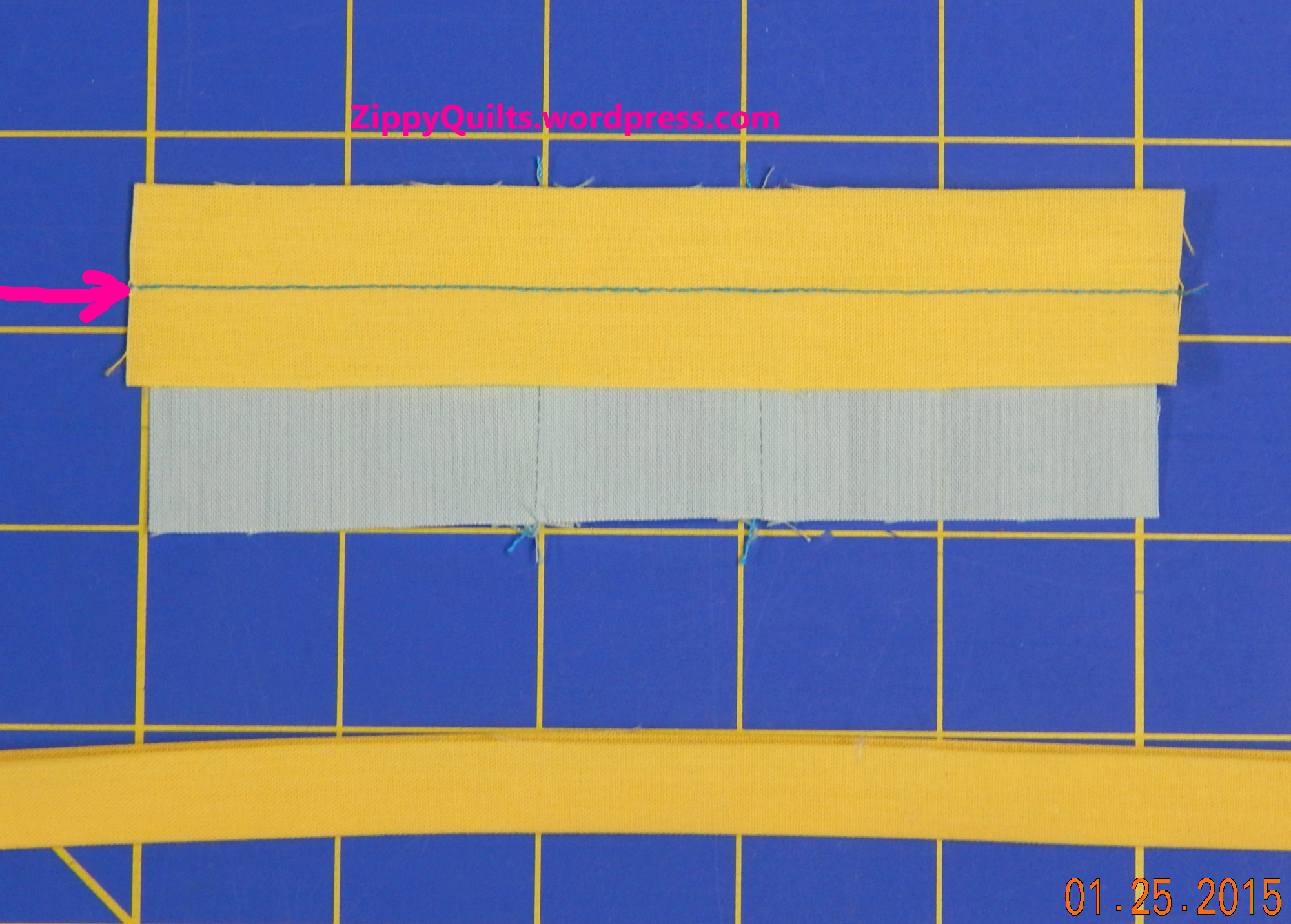
The center block has little inset strips using a technique I modified from one of Judy Niemeyer’s ideas.  To make a quarter inch inset that doesn’t “wobble”, do this:

block tutorial

Block pieces, including yellow insert

Cut a 1″ strip of fabric and lay one edge along the raw edge of the piece where you want a narrow inset. Stitch through both the strip and the quilt piece 1/2″ away from the edge, either by using the 1/2″ mark on your machine’s throat plate or by marking the center of the strip.

Quilt tutorial

The center pieces of the block have been jointed and the insert laid along the side

Fold and press along the seam-line so that you now have 3 raw edges, all lined up.

quilt tutorial

Strips have been added to all sides of the center pieces and pressed along the seam

I don’t usually trim away the extra fabric because I like the stability, but it DOES make for some weighty intersections if you choose not to trim away the bottom 1 or 2 layers.  Then assemble the block as you normally would, using 1/4″ seams.  The strip you added will show up as a 1/4″ inset.

Let me know if you try either of these blocks.  I thought they were fun!


Tessellations! By Jean Larson

As promised, my friend Jean Larson has written a tutorial on tessellation quilts.  I hope you enjoy it as much as I did!  –MJP

Tessellating designs make me happy.  Tweaking those designs is even more fun.   I want to share the joy of starting with a very, very simple design and watching it blossom.  My inspiration comes from this web site:  http://gwydir.demon.co.uk/jo/tess/

Start with a simple gridded block and create a light/dark design.  Here, I’ve started with a 3 x 3 grid.  Then re-color the same block with the lights and darks reversed

.The grid lines are only for design purposes, and each block can be constructed with a single square block with 2 corner triangles attached using any method you prefer.

Here are some design possibilities…Quilt_1A simple “cat head” quilt using only 2 colors.

Different looks can be achieved with variations in the color placement.

Blocks can be inverted and turned for even more quilt designs.

Just imagine all the possibilities with color in these!!!!!

It’s even more complex when you design with a 6×6 grid.  Here are the positive and negative versions of another block.

These blocks can be constructed using half-square triangles integrated with larger fabric pieces.  If these blocks were to finish at 6 inches by 6 inches.  The center column on each block would be a single 3.5 inch wide by 6.5 in long piece of fabric.  The side strips would include some half-square triangles.
A couple of the quilts that can be made:

Looks like spools, some gray, some white, all standing up.  Same quilt with alternate blocks turned a quarter turn yields a different  clearly recognizable tessellation.  Reminds me of tessellating doggie rawhide chews 😉

Now back to the spool quilt from above.  The “thread” areas have been colored in.  No blocks have been turned.

Jean spool 5This shows the power of color and value (lightness and darkness).   The colored part, being next to the gray and being closer in value to the gray, unites those parts of the block, and gives the illusion that we have all gray spools on a white background, some standing up, some lying down.

I hope these examples can be the seeds to sprout some design experimentation with tessellating shapes.

  1. Start with 2 square grids
  2. Create a positive design, and its negative design
  3. Alternate them in a quilt layout
  4. PLAY!
  5. And play more with color!

Happy Quilting (and Designing)!!   –Jean Larson


Meet Jo Glover–The BigStitch Quilter

big stitch quilting

BigStitch Quilting by Jo Glover

Big Stitch quilting has gotten to be a big deal in the past few years, so I was thrilled when Jo Glover, who published the original directions for BigStitch Quilting, spoke to our guild last year.  She agreed to be interviewed for this blog.  Here’s what she said about her development of the technique:

Jo Glover photo

Jo Glover

“In 1988, when I started quilting, I was more interested in the line designs of the quilting, rather than the patchwork.  It frustrated me that my fine hand quilting–natural thread on muslin background–didn’t show.”

“In 1991, I went to Japan and saw their sashiko with its strong visual impact.  Thick light thread on solid dark fabric.”

big stitch quilting

Another sample of Jo’s BigStitch Quilting

 “Upon my return to the US, I started using a high contrast #8 pearl cotton, longer stitches, with the traditional rocker motion of hand quilting with a hoop and thimble.
I was pleased to find that larger scale designs looked good with the longer, thicker stitches.  The new needlepunched cotton battings permitted a longer distance between quilting lines.”

BigStitch quilting

Jo Demonstrates BigStitch Quilting

“BigStitch was coined in the booklet I wrote and copywrited in 1993 (under my name at the time, Jo Walters).  It still sells.”   [You can get a copy of Jo’s booklet directly from her for $7.50; just e-mail her at GloverGirl52 at gmail dot com for her mailing address, and of course give her your address.]
 “To reach a wider audience, I uploaded a series of BigStitch lessons.  They are available at no cost on YouTube; just search “BigStitch Jo Glover” for the 5 lessons and Gallery.  I’m for the preservation of hand quilting.” [Here is the link to Jo’s YouTube lessons.  I am so impressed that she did this!]
BigStitch quilting

Matisse’s Goldfish, by Jo Glover

 “Right now, I’m stitching straight lines about 1/3 inch apart, using crochet thread AND NO HOOP OR THIMBLE, ssshhhh.  My friend Jane Cole brought this style, called chiku-chiku, to my attention.  (Chiku-chiku is the sound a sewing machine makes when stitching) Jane got it from Quiltmania magazine, issue # 100, in an article featuring the originator, Akiko Ike.”

Jo Glover quilting

Pillow with close lines of BigStitch quilting by Jo Glover

 “Mixing fine hand quilting, BigStitch, and machine quilting (and now, chiku-chiku) in the same quilt is fantastic.  I do prefer solids or hand dyed fabrics to showcase the hand stitching.  I see many Modern quilters featuring their machine quilting on solids, and that’s great.”
Quilt by Jo Glover

Amerika Blooms by Jo Glover

 “Quilters I have known and loved include Gwen Marston, Jonathan Shannon, my friend Jane Cole, the Gee’s Bend quilters, Fran Skiles, Jacquie Gering and Katie Pedersen, and Yoshiko Jinzenji.”

Your Inner Designer 6: Copy Somebody Good!

Truly original ideas in design are really, really rare  More often good designs are inspired by other good designs, and most designers start by copying other people.  There’s nothing wrong with that–just give credit!

Door with art glass window

Glass window, designer unknown

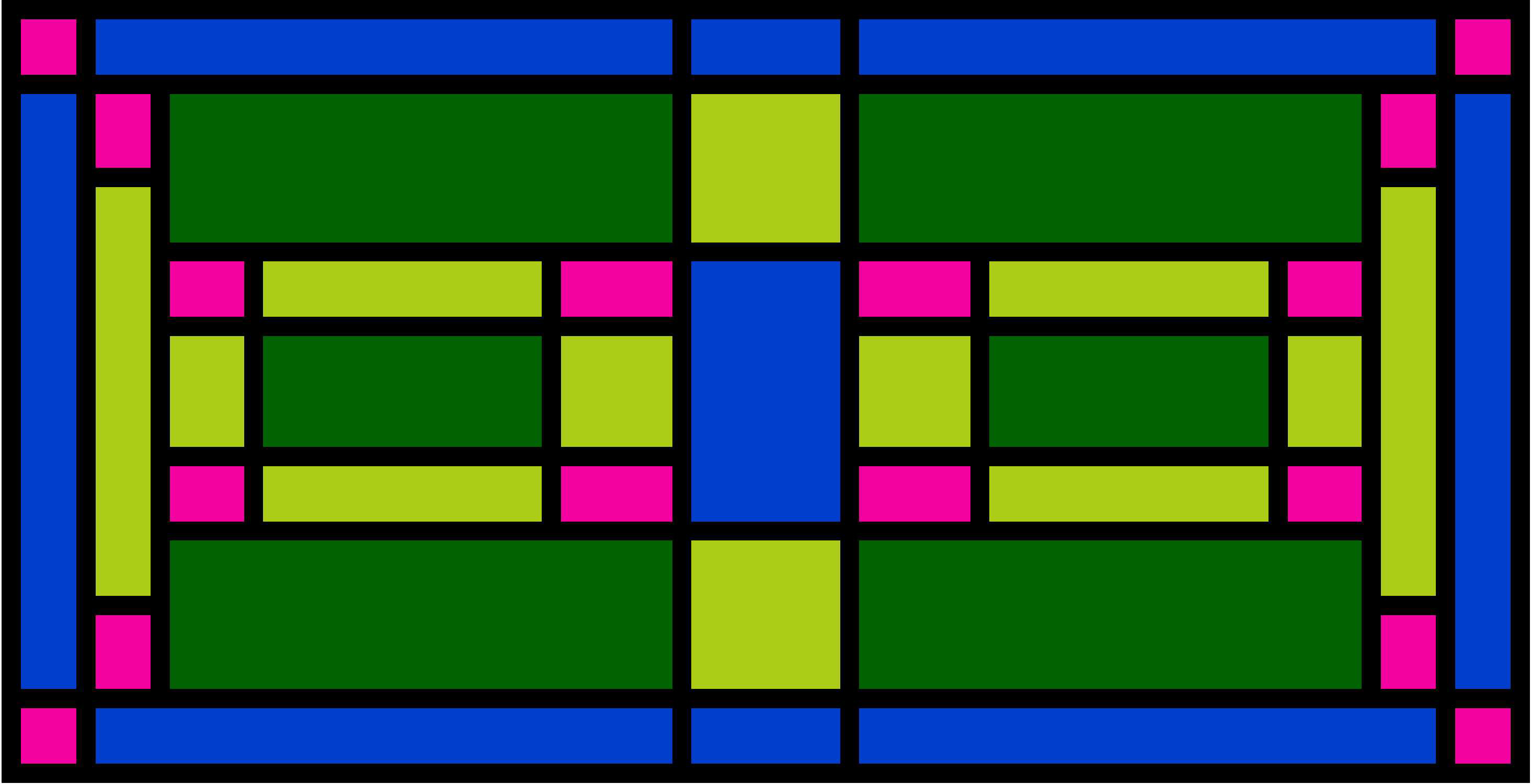
For example, here’s a door I admire in a friend’s house.  It got me thinking that it would be nice to make her a table runner with a design similar to the glass in the door, especially since the dining table is right by the door.  I may start out by copying the design, but my table runner won’t be an exact copy.  I want it to be obviously inspired by the door, but I probably couldn’t make an exact copy even if I wanted to.  And I’m not going to sell it as my own “original” design without reference to the door, either.

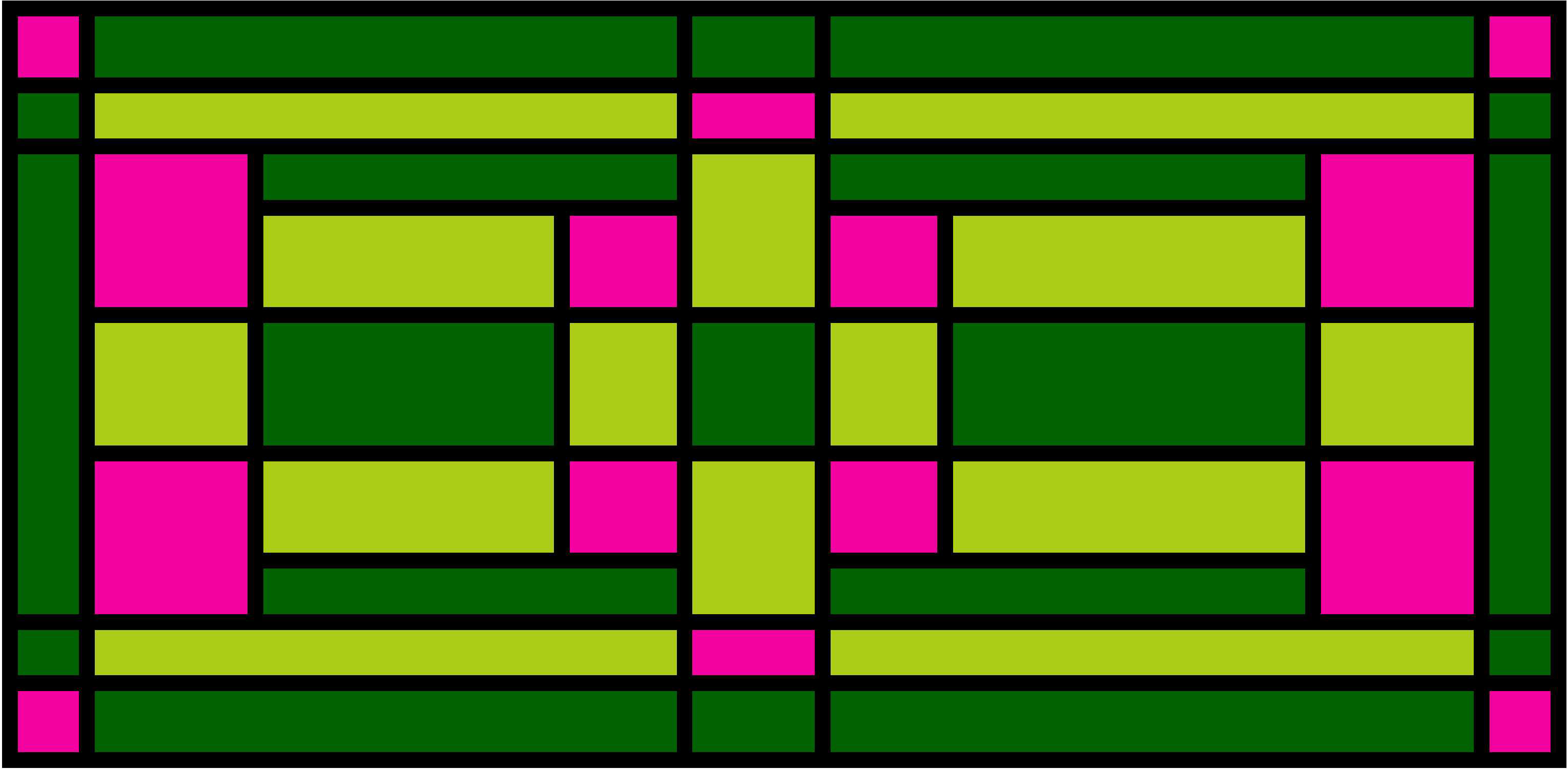
Here’s the first attempt:Craftsman inspired table runnerThat may be obviously inspired by the door, though in fact both are inspired by Frank Lloyd Wright and Craftsman styles of design. If you don’t know much about those styles of design, Google them.  There are many similar designs to be found, so I can make LOTS of designs of this style without copying any of them.  Here’s the second try:Craftsman style table runner

This one has a little more detail.  Another master of this style, popular in the early years of the 20th Century, was Charles Rennie Mackintosh.  William Morris textile and wallpaper designs were the same historical period, and you may have seen Moda’s extensive line of William Morris-inspired fabrics.

One last try:table runner

So go look at some books on the history of design (the history of advertising works too) and make some designs inspired by what you see.  It’s a good starting place when you think you don’t have any ideas, and you’ll eventually come up with something your really like.  Then it’s time to make a quilt!

Here are the first 5 posts in this series:

Your Inner Designer 5: A Program to Make Your Own Palette!

Quilt Design 4: Choosing Your Color Scheme

Your Inner Designer 3: New Blocks From Old

Your Inner Designer 2: Many Block Arrangements

Find Your Inner Designer, Part 1

Your Inner Designer 5: A Program to Make Your Own Palette!

I mentioned Design-seeds.com in my last post as a good color resource, but there are SO MANY others!  Today I’m going to tell you about just one, and I hope you’ll check it out and enjoy it.  Others to come in the future!

—Today’s Feature: Palette Builder—

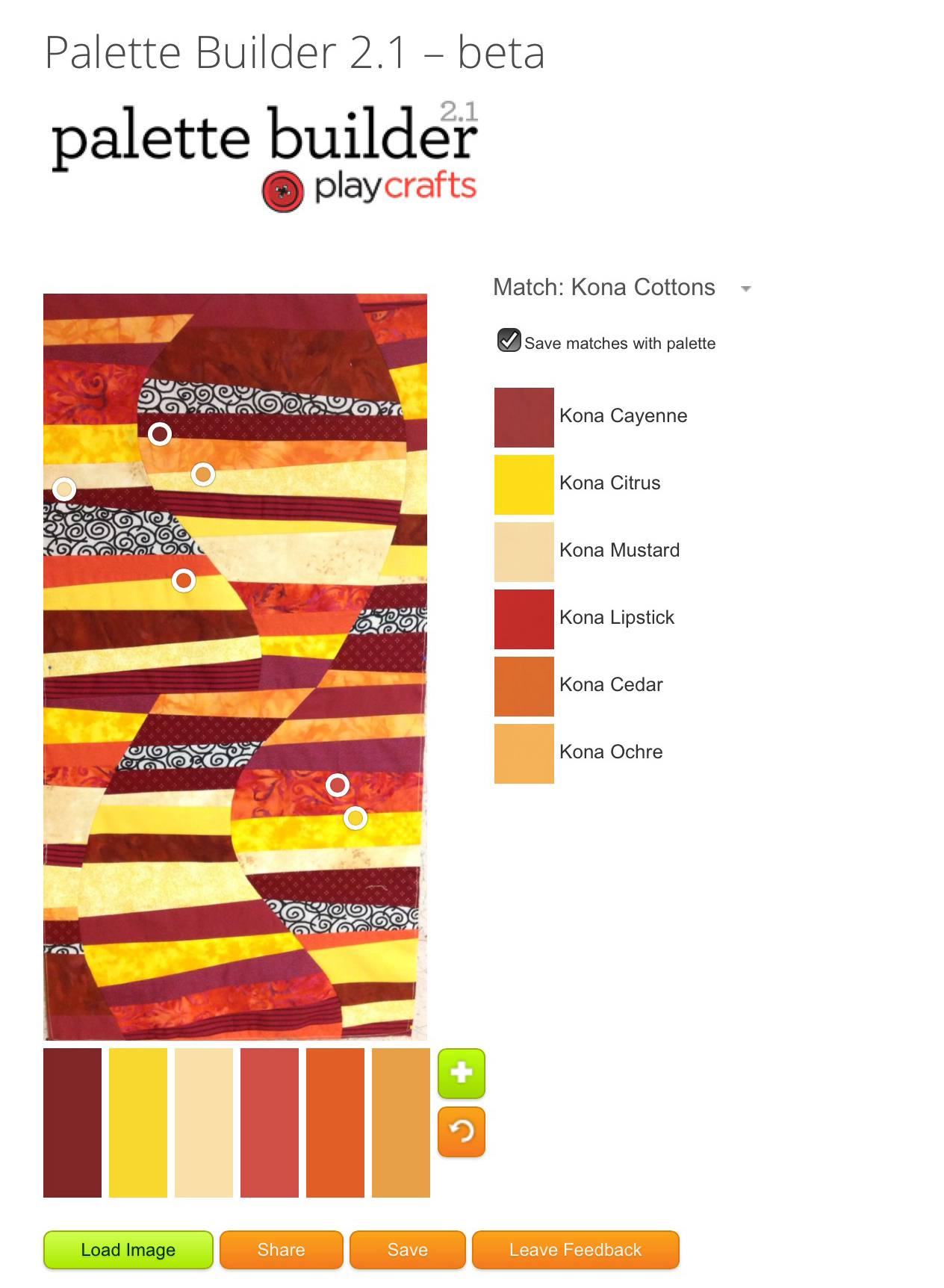
screen shot from Palette Builder

Here’s a palette from a picture I took

It’s free!  It’s easy to use!  Anne Sullivan and friends have a fun app accessible from their blog at Play-Crafts.com.  Just go to the blog, choose PaletteBuilder from the menu along the top, and you’re IN.  You can upload a picture of your choice and the app gives you a palette that looks a lot like the ones on Design Seeds with two fun differences:  PaletteBuilder uses YOUR photo, and it gives you colors in Kona Cotton that closely match your palette!

screen shot from PaletteBuilder

Palette made from my quilt

But let’s say you love the palette in my “Study for New Mexico” quilt and want to use it for a quilt of your own.  Just find the quilt on my blog, load the picture into PaletteBuilder, and there you go.  The Kona cottons are chosen for you!

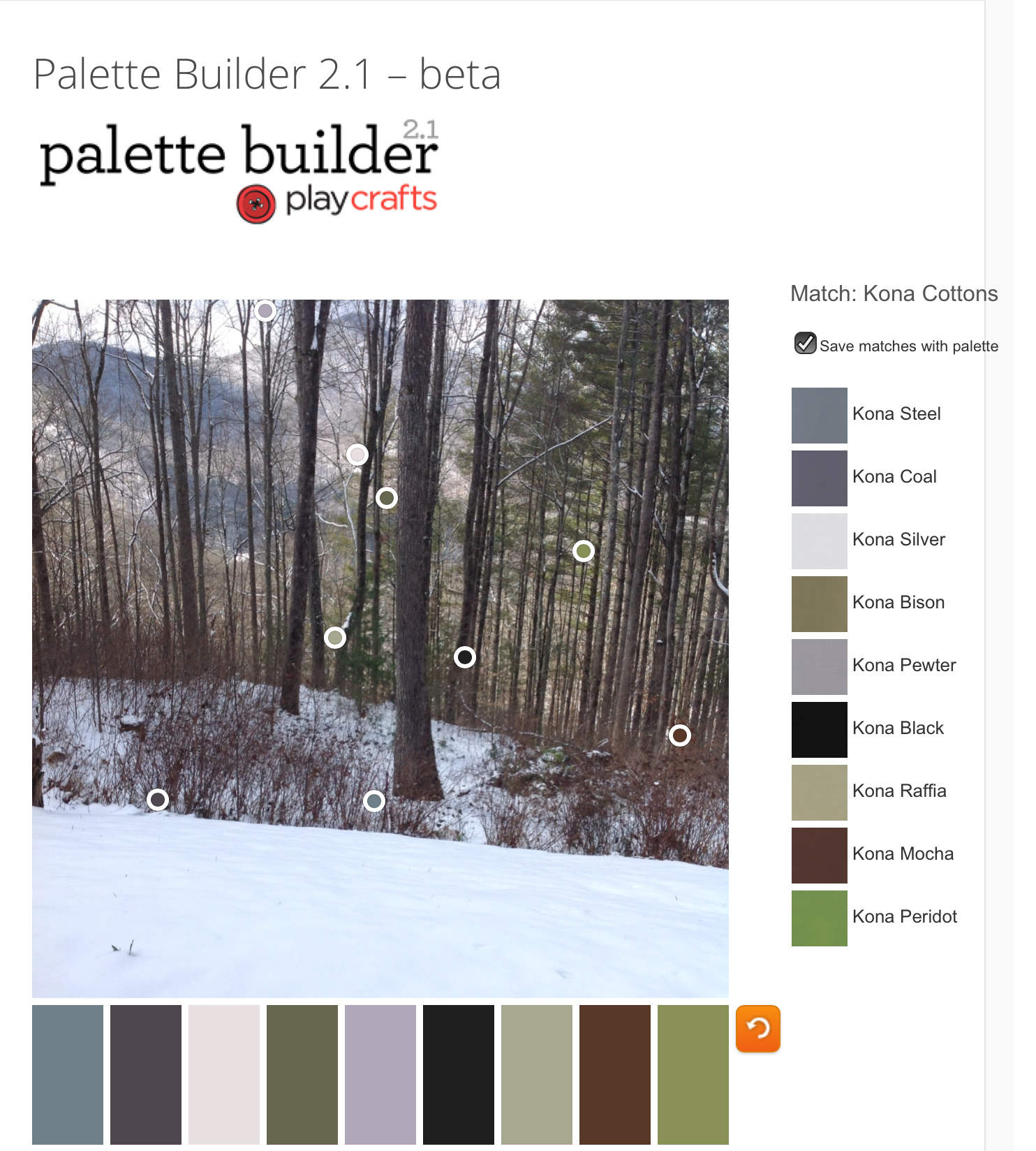
screen shot from PaletteBuilder

PaletteBuilder may “see” individual colors better than your mind does

This program may be especially helpful with a picture like the one above.  First, I wouldn’t have thought to put those shades of lavender in there, but I’m pretty sure they would show up well as shadows if I were converting this picture to a landscape quilt. Second, if you’re working on a desktop computer instead of an iPad you can move some of those little circles to sample parts of the picture that might have been left out (like the purple crocus in the top picture.)

So if you have a photo with lovely colors that you would like to see in a quilt, you can start here for your palette.  Now, go have some fun!

Here are the previous posts in this series (click on the title to go to the post):

Quilt Design 4: Choosing Your Color Scheme

Your Inner Designer 3: New Blocks From Old

Your Inner Designer 2: Many Block Arrangements

Find Your Inner Designer, Part 1

Your Inner Designer 3: New Blocks From Old

There is almost never anything new in design; indeed, the best designs probably are made with a sense of history.  So far we’ve modified overall quilt designs to make new ones; this time we’re going to modify blocks.  So here we go: 1.  Stretch it:

pieced star quilt

Quilt made with Block 3

pieced star quilt

Quilt made with Block 4

2.  Tilt it, or stretch and tilt it:

pieced quilt

This quilt is made from Block 1, tilted, with half the blocks tilted the other way

3.  Cut it and shuffle the pieces; rotate them if you like:

pieced quilt

This quilt is made from block 7, with the blocks rotated various ways to make the pattern

4.  Cut it and insert something.  This will distort the block and you’ll have to trim to make it even:

pieced star quilt

Quilt made from Block 10 and a plain block with strips inserted the same way

All of this fooling around might be a good use for some of those orphan blocks–what have you got to lose?  And If you find some modifications you really like, try them out in a quilt: Please make some designs and send them to me–I’d love to see what you come up with!

Quilt Labels the Easy Way

I have made my quilt labels a variety of ways and generally have felt that the result looked amateurish.  However, I’ve now developed a method that I like, so here’s how.

Binding-7

First, I compose my labels in my word processing program and print them onto those fabric sheets prepared for a computer printer.  These sheets are fairly expensive, so I wait until I have enough to fill a page.  Gives me an excuse to procrastinate on labeling my quilts 😉

I like to frame each label with leftover binding from the quilt because I like the way it looks. That printer-ready fabric is very stiff, so the border makes the whole thing easier to sew to the quilt back.

There’s almost always enough left-over binding to frame the label. ironing quilt binding I start by ironing the binding open (yes, after having worked earlier to get it ironed into a nice fold).  I then sew it to all 4 sides of the trimmed label with a 1/4 inch seam.  I sew the binding to opposite sides of the label the press it out, away from the label.  I then sew to the two remaining sides and press them out.

Note that it’s easiest to sew to the two (opposite) longer sides first, then to the two shorter sides, which are now longer because the border has extended them.quilt label

After framing the label with the binding, I attach it as I would have done without the frame. That is, I turn under 1/4 inch on each side of the frame and sew the label to the back of the quilt by hand.  I think having the label framed with the same fabric used to bind the quilt gives it a nice finishing touch.Binding-7

Give it a try and let me know what you think!