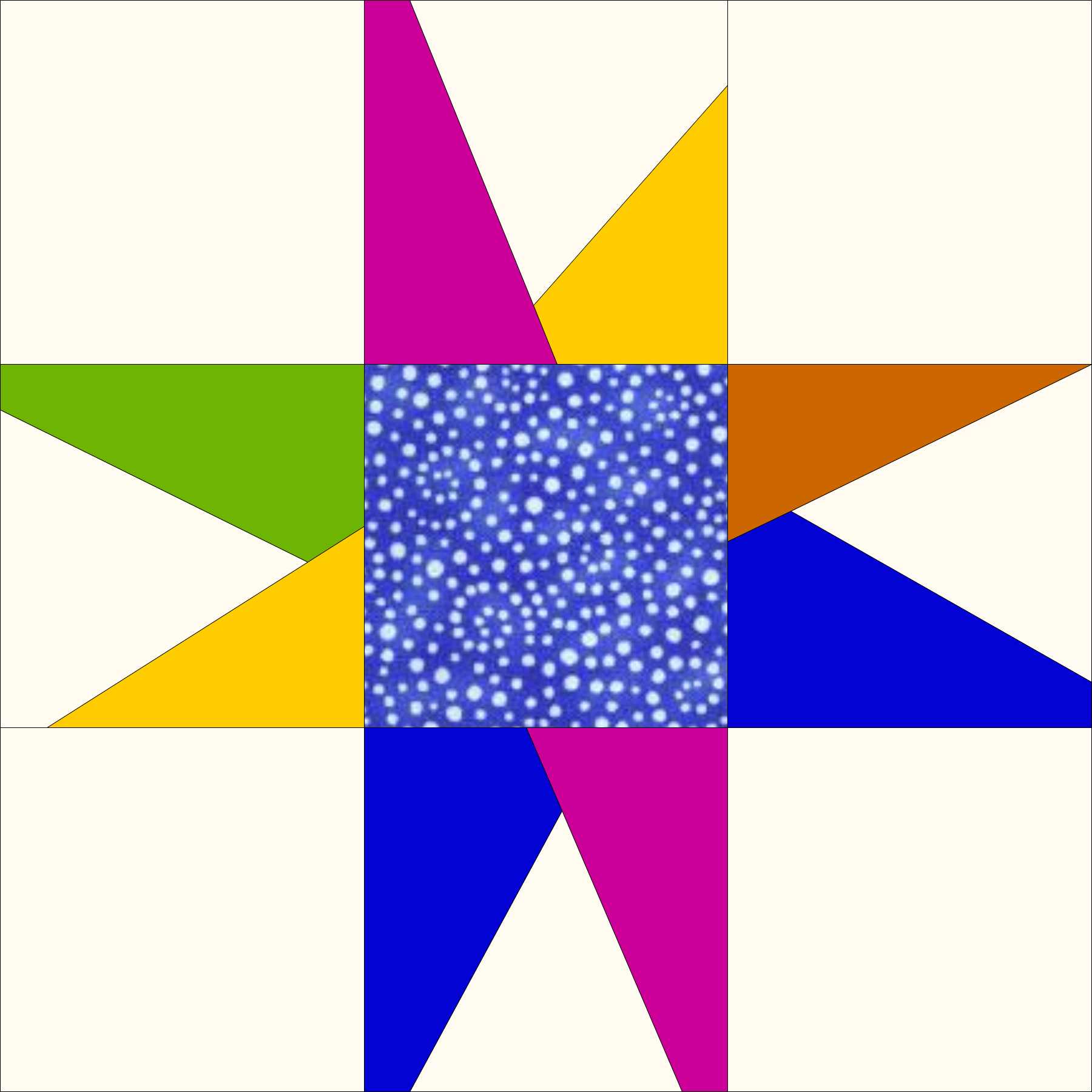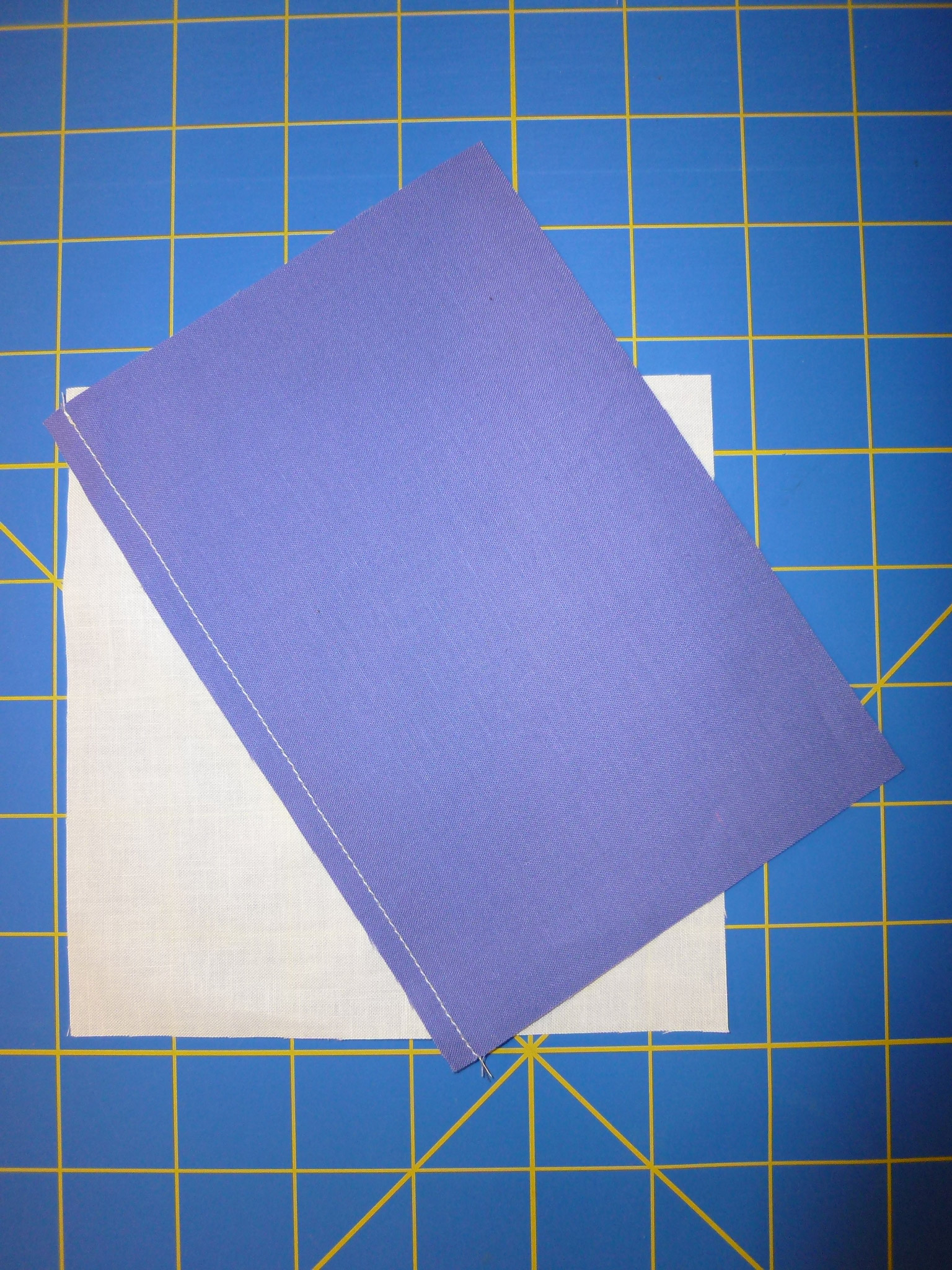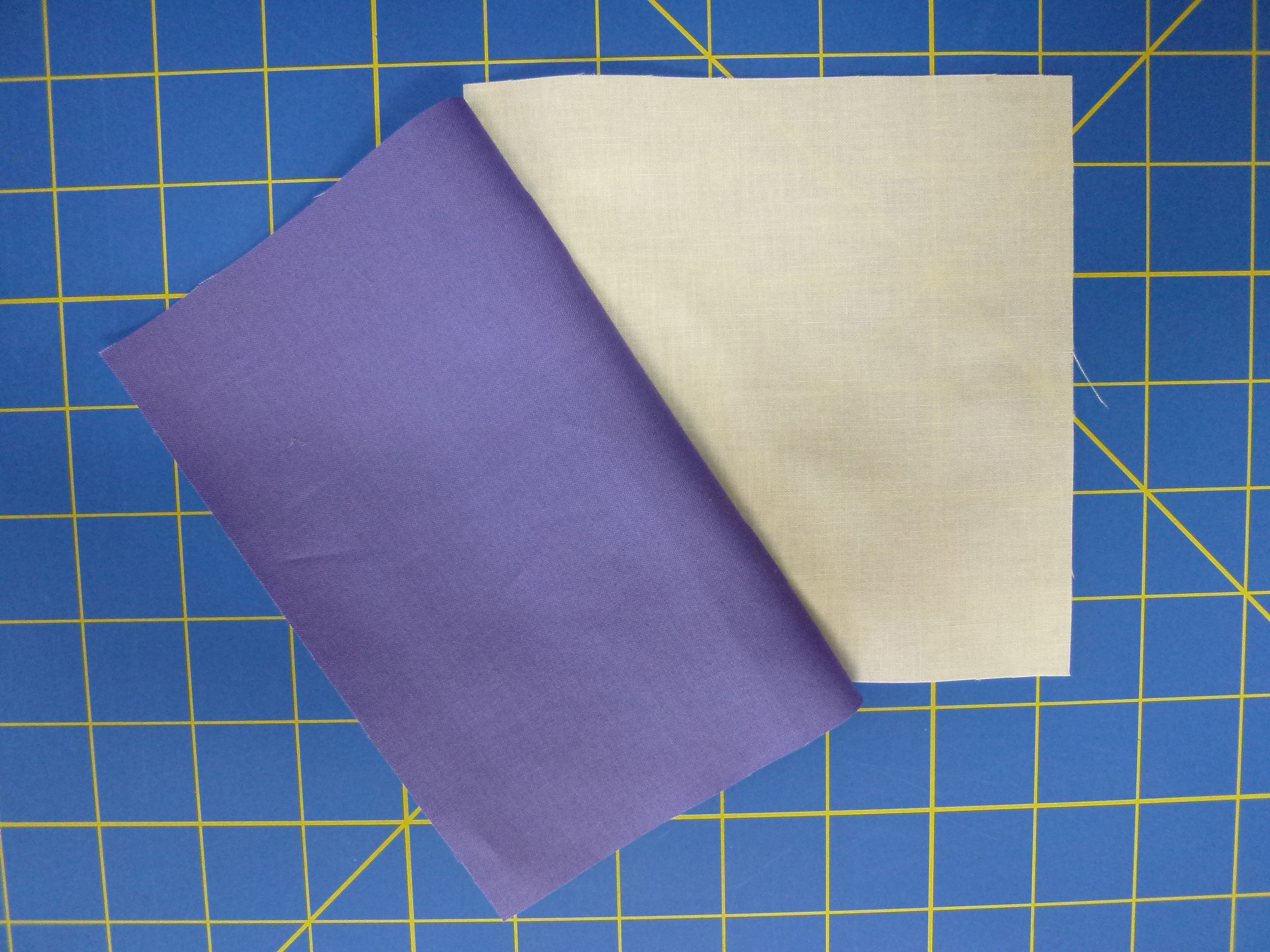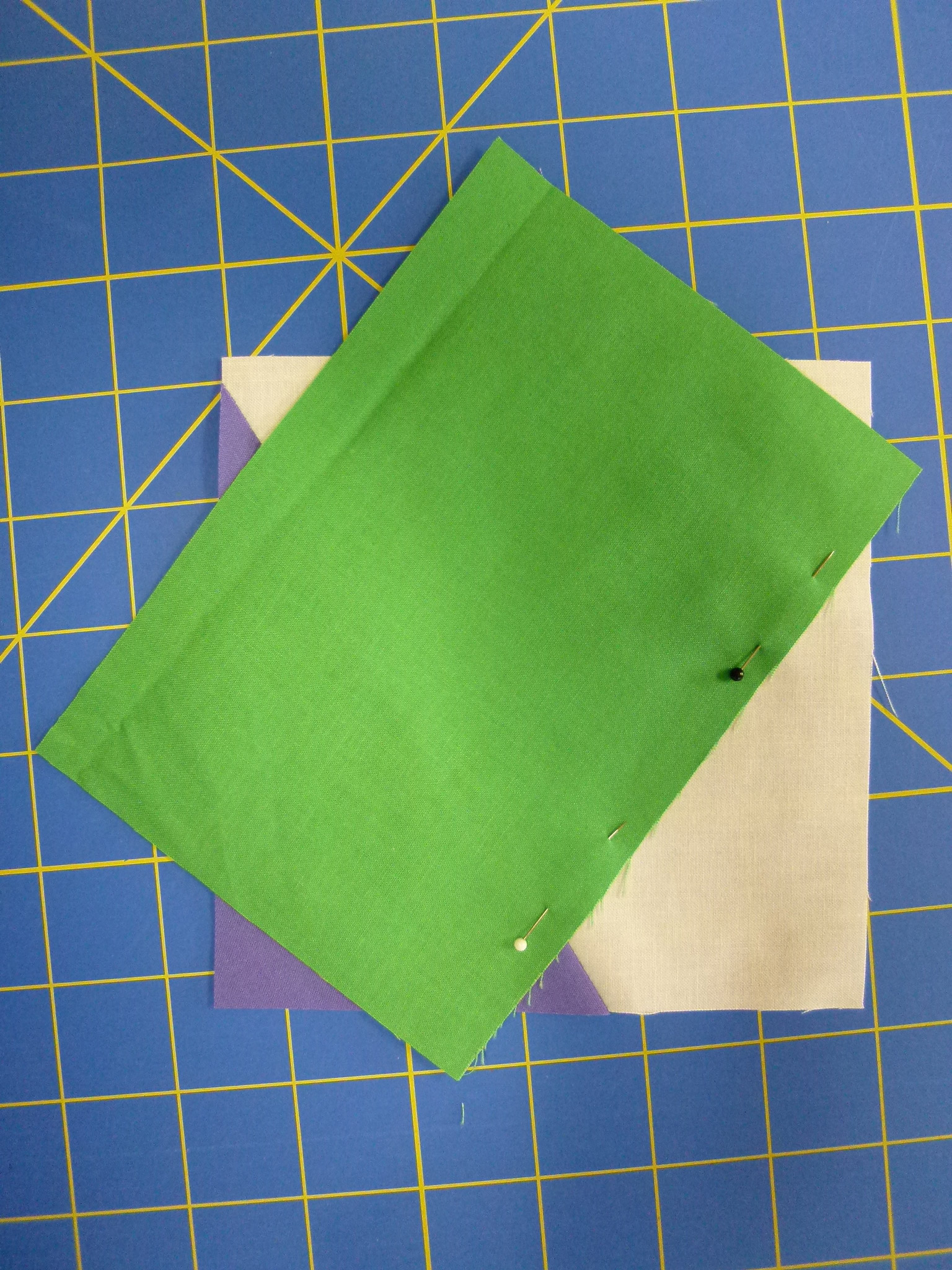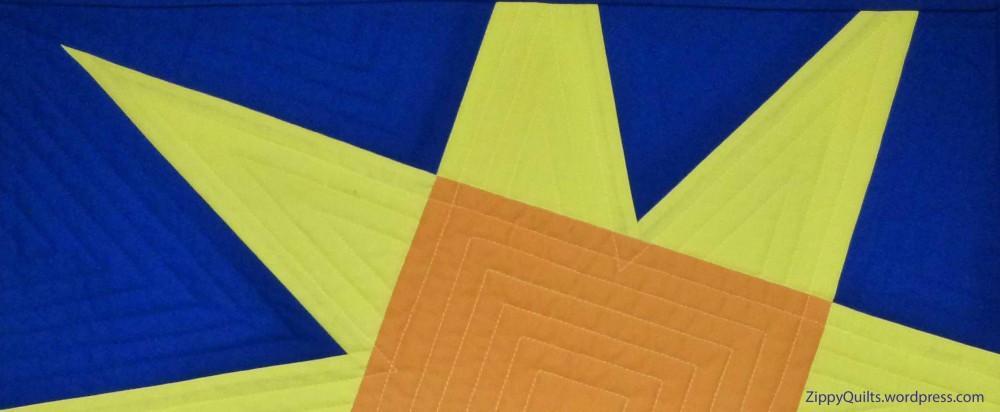
My Modern Sampler: Humbug Star

I recently read one of Gwen Marston’s books, and she had directions for a sew-and-flip star.  Like most of modern quilting, this star has been published by multiple people in multiple places, so it’s not new.  However, if you’ve never done sew-and-flip, you can find my tutorial below.  It’s a very fun technique.
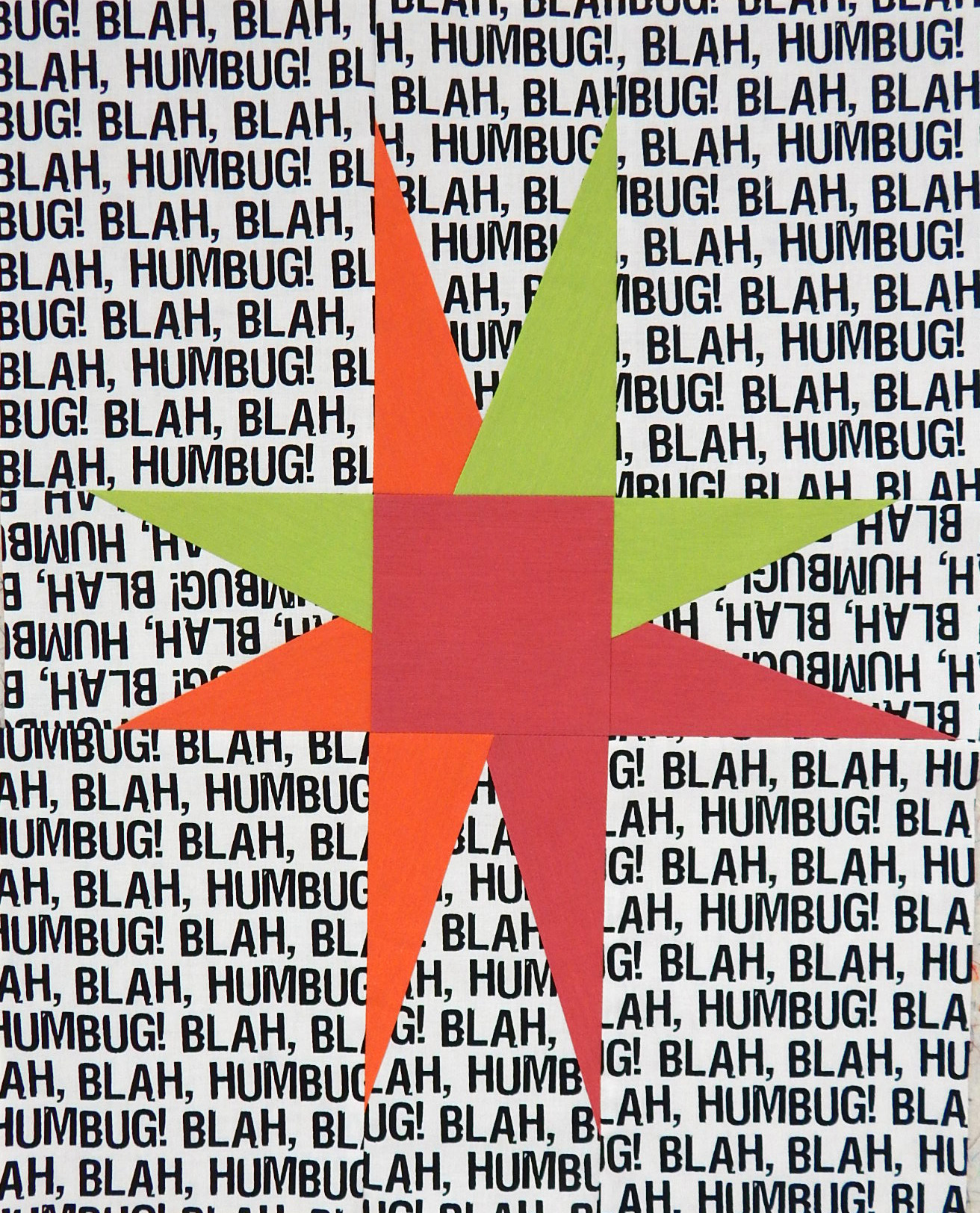
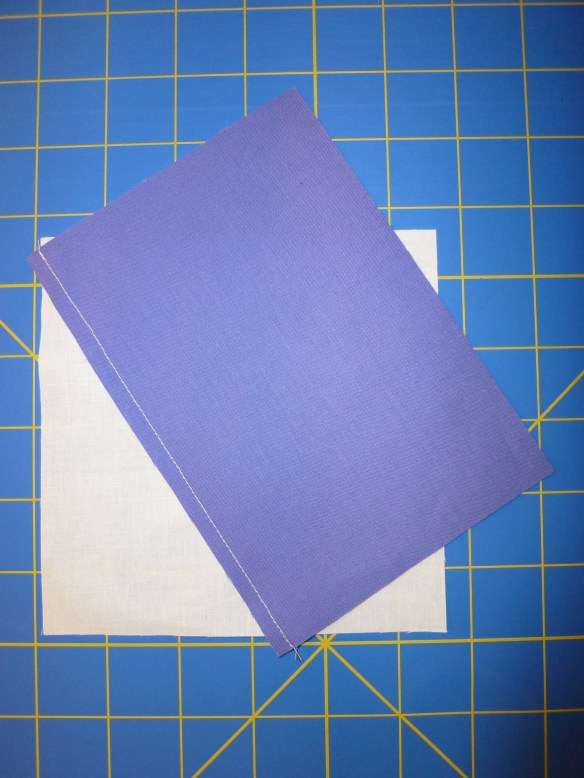
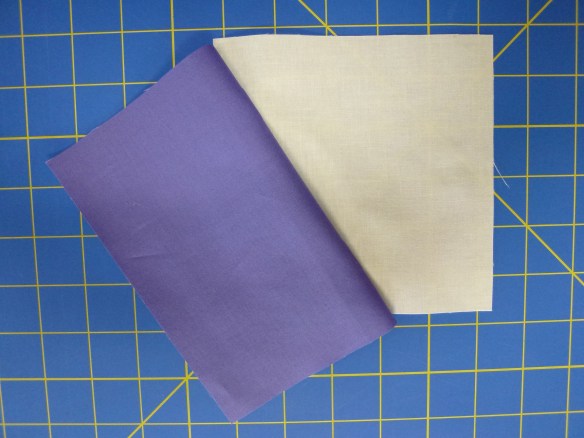
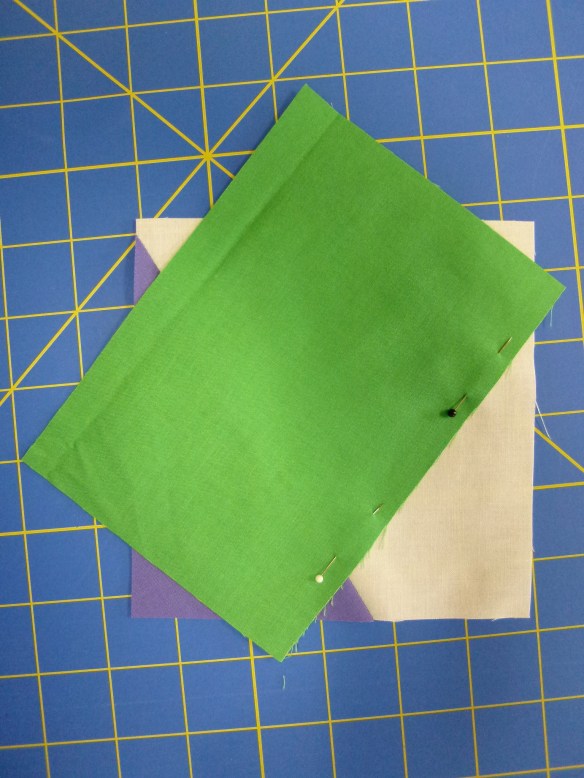
flip and sew star

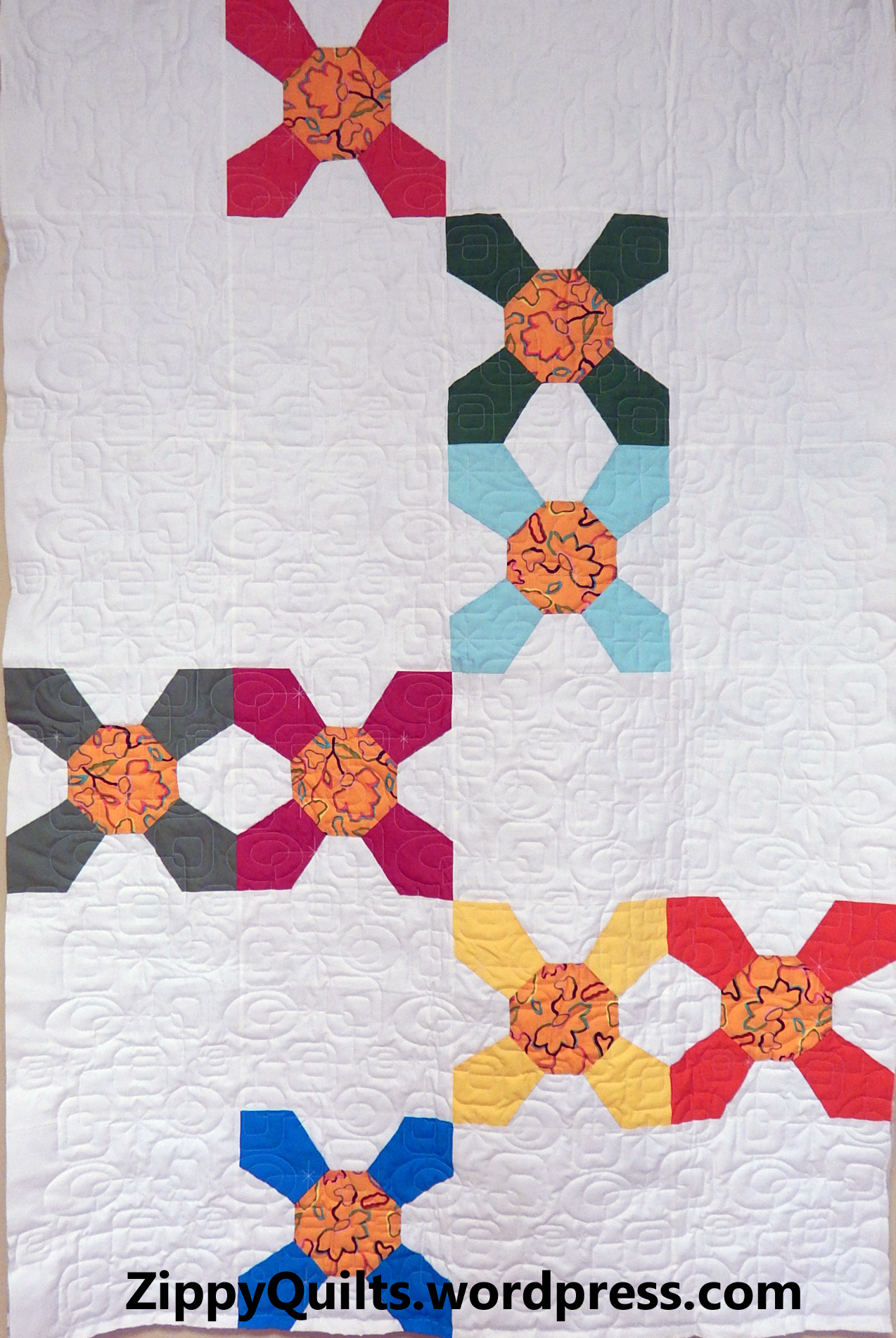
There’s a major flaw here!

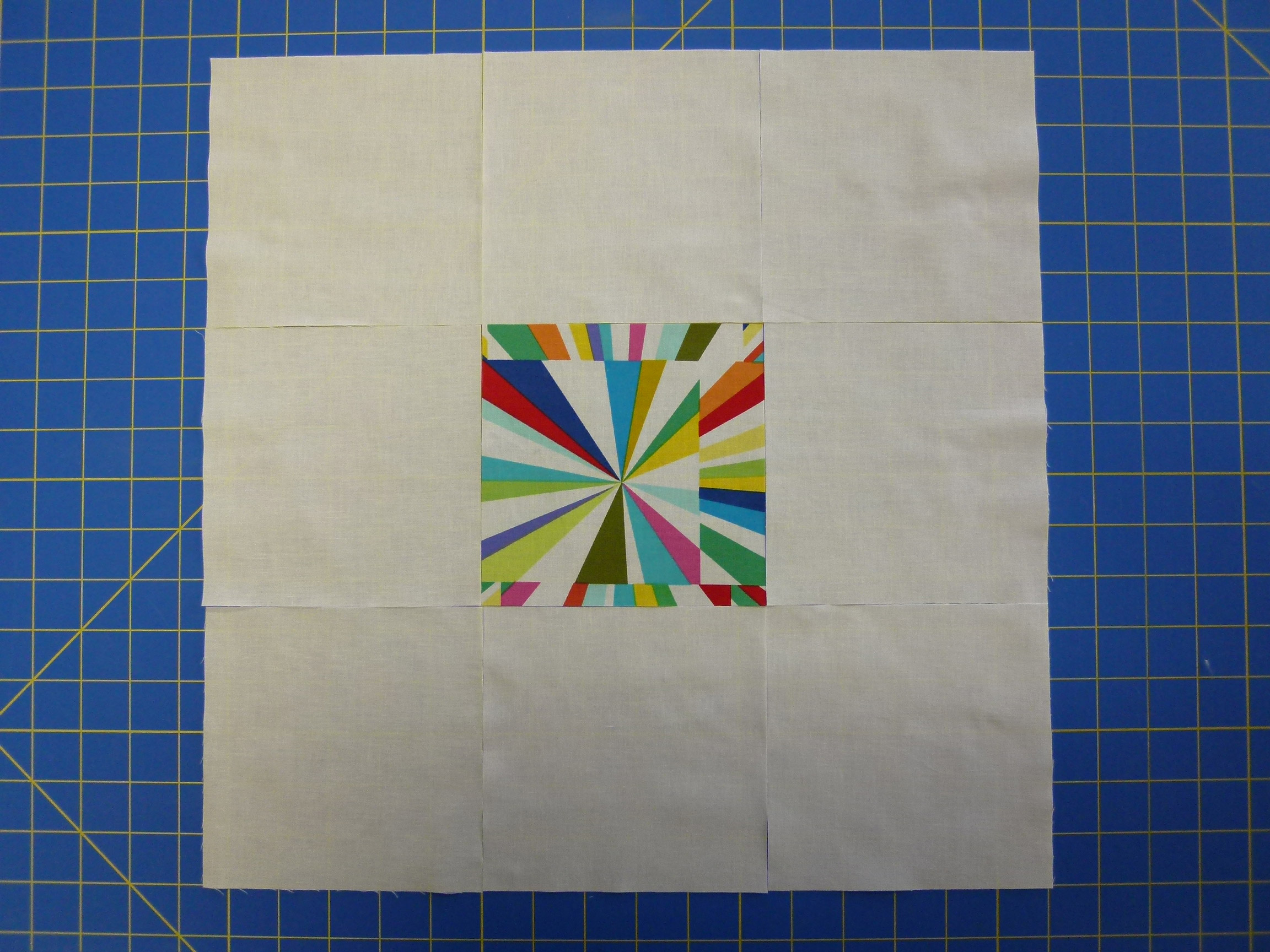
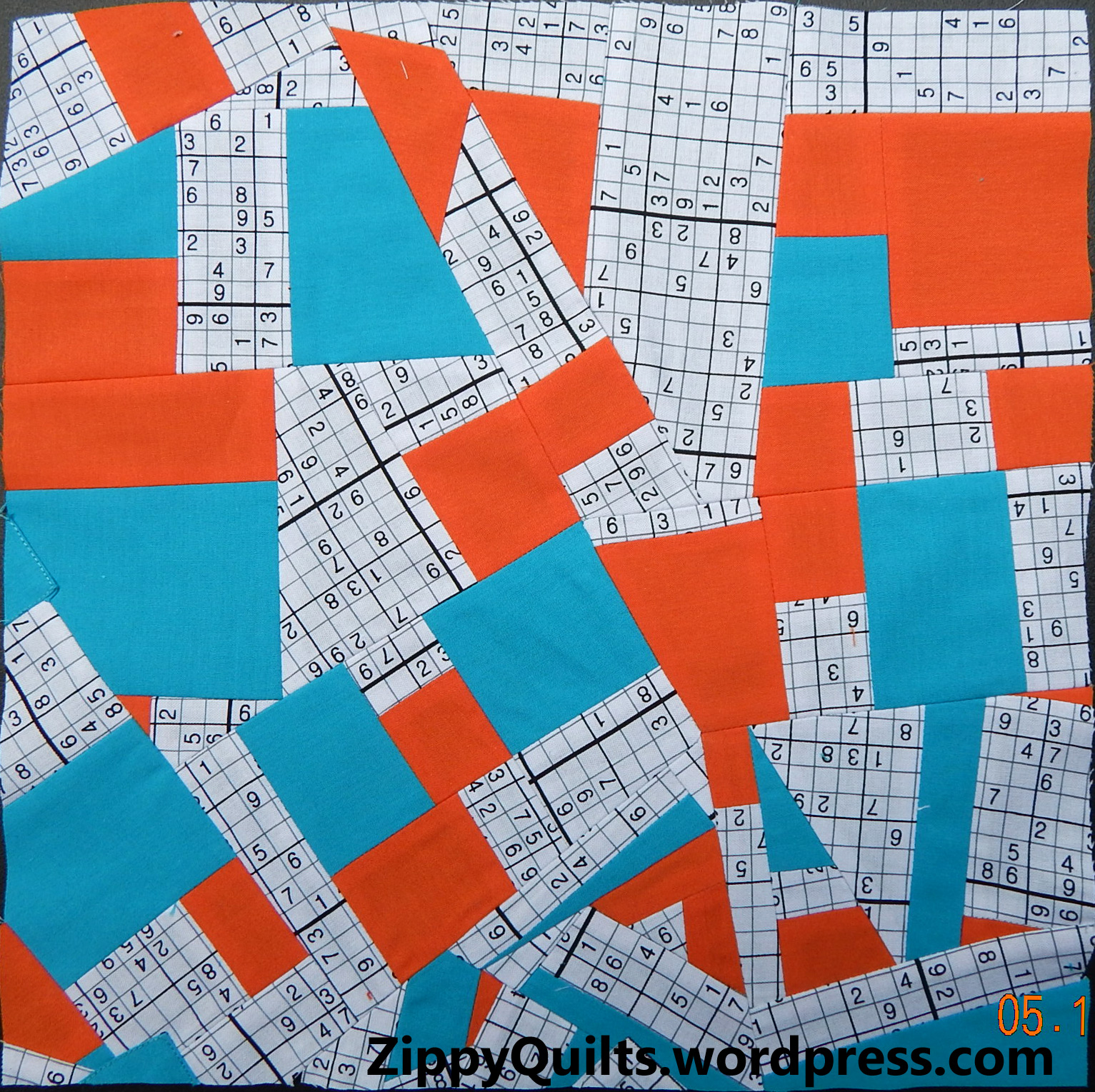
So, HUMBUG!  Can you see what I did wrong?  I didn’t see it until I took the picture!  I rarely rip out seams in my improvised blocks, but this was too much for the perfectionist who whispers in my ear much of the time.  So here’s the corrected block:
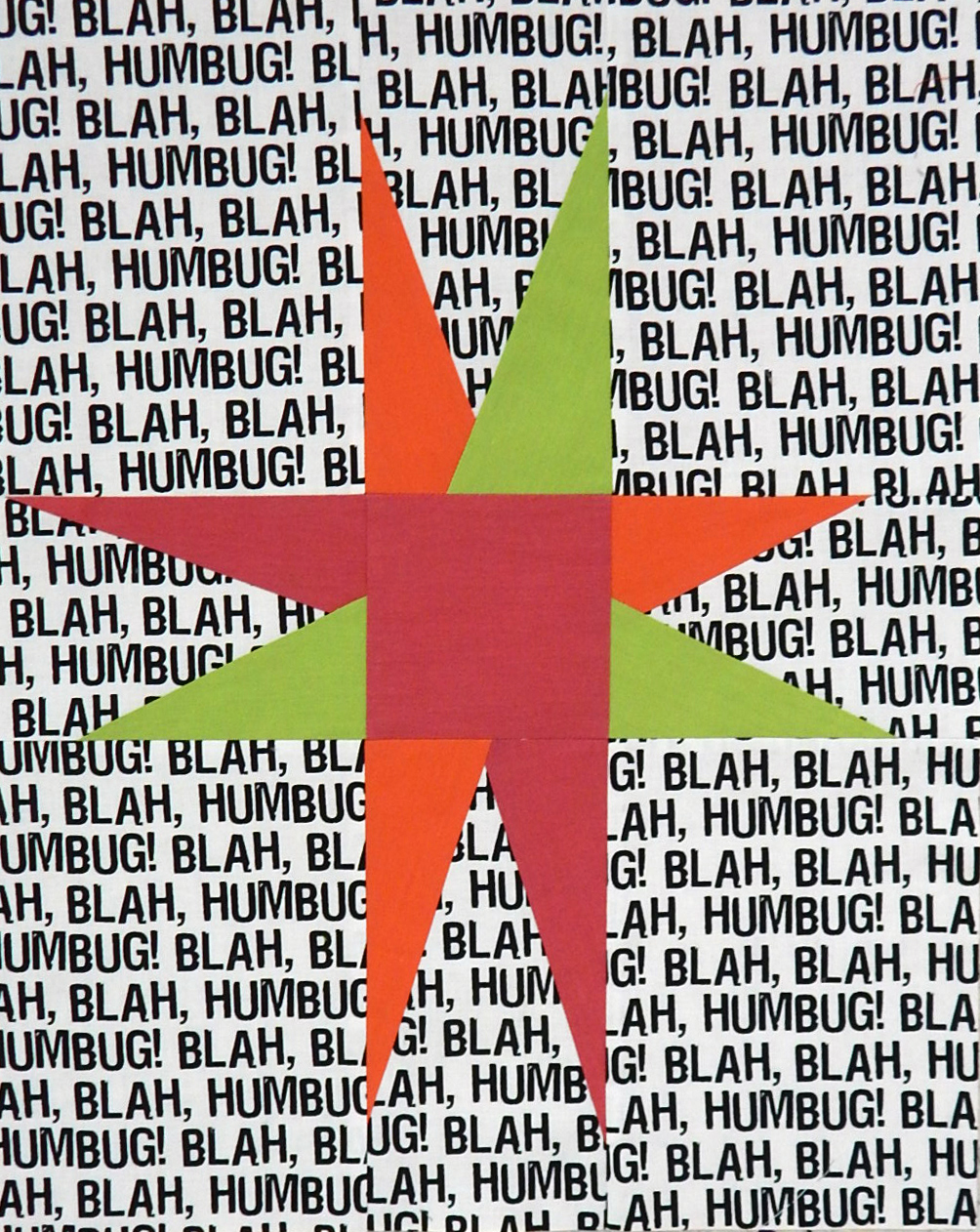
Sew and flip tutorial

Humbug Star

This block finishes 12″ X 15″.

Here are the links to my other modern sampler blocks so far.

My Own Modern Sampler–It May Take A Year!

The Modern Sampler Continues

Improv Block I


And here is the tutorial on the sew-and-flip star.

This project was originally developed for Modern Quilts Unlimited magazine.  You can read about it here.

Unfinished block size 15″ x 15″
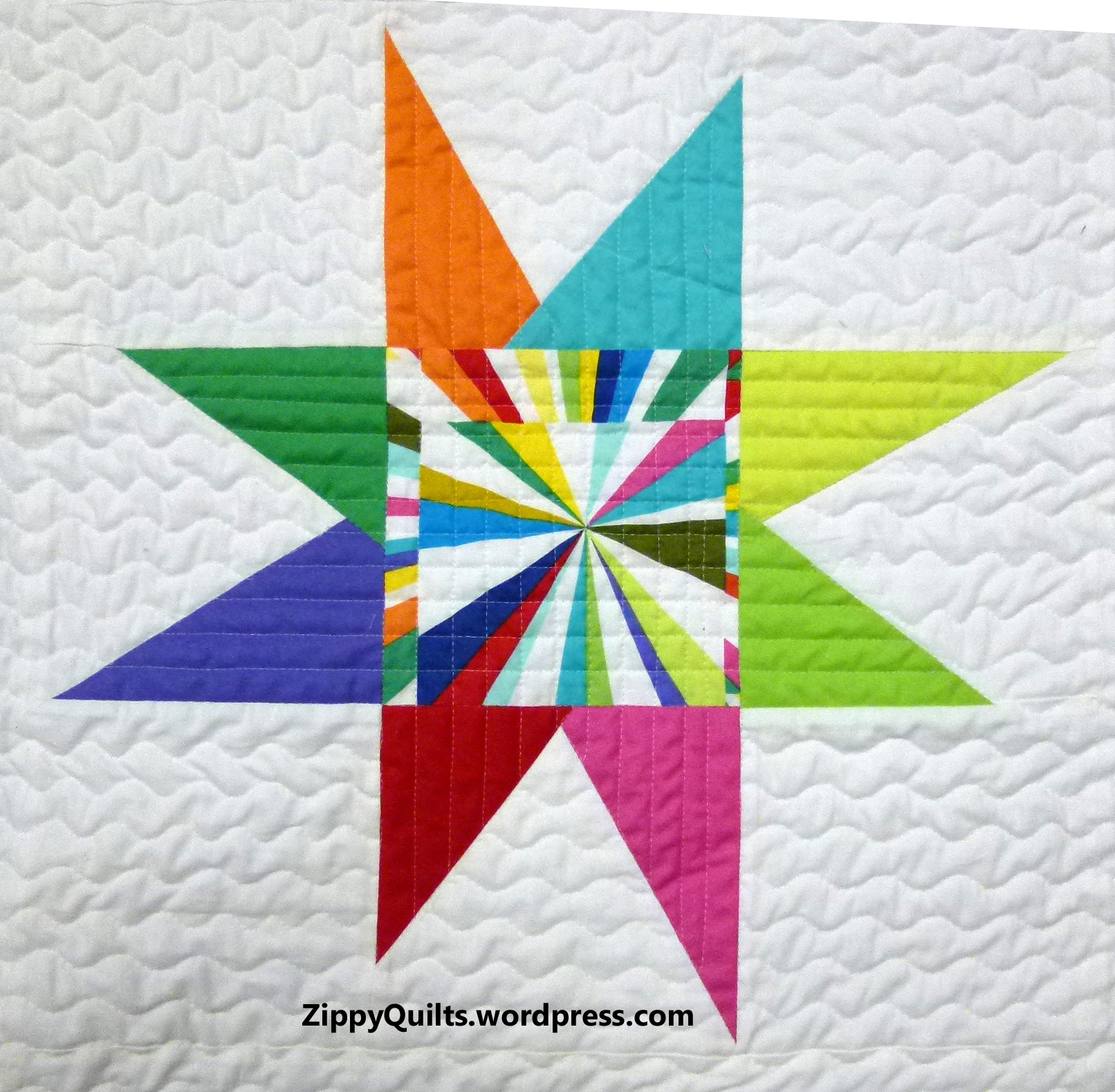
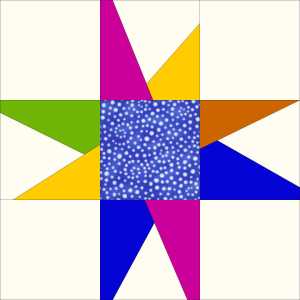
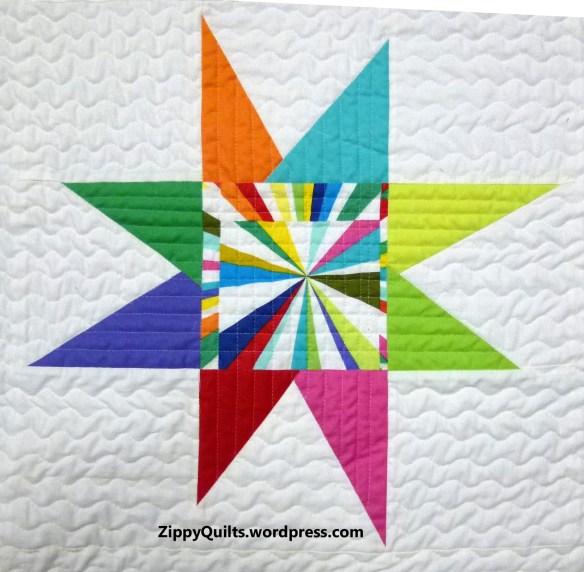
modern star block

This block finishes 14-1/2 x 14 1/2 inches

Fabric Requirements
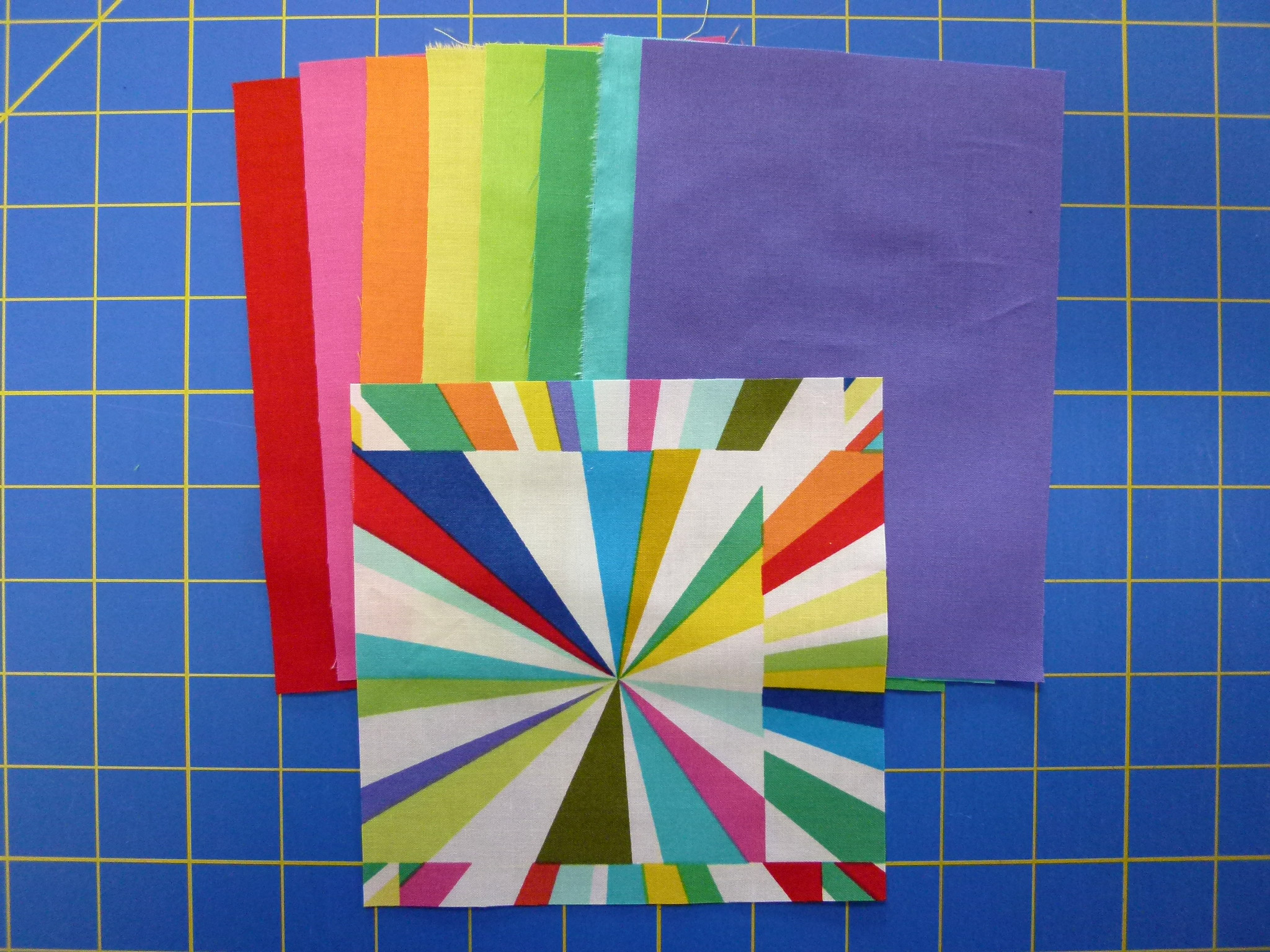
modern quilt fabric

Fabrics supplied by Michael Miller Fabrics

Background fabric 16 1/2″ x 16 1/2″

Star center fabric 5 1/2″ x 5 1/2″

Eight solid fabrics for star rays, each 6 1/2″ x 4 1/2″

Piecing Instructions

Note: all seam allowances are 1/4″.

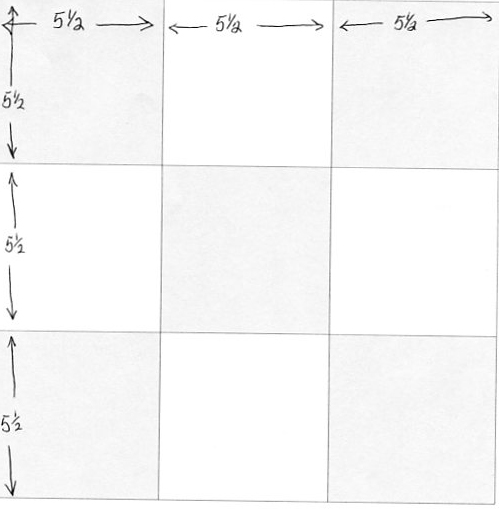
  1. Cut the background fabric into a 9-patch of 5-1/2 inch squares as shownCutting Diagram
  2. Remove the center square and replace it with a 5-1/2 inch square of your center fabric
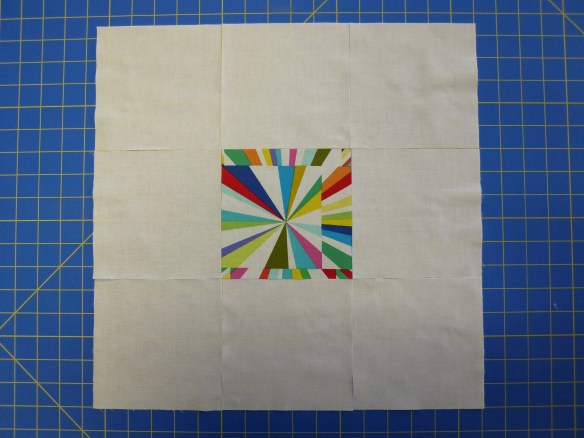
    Center square surrounded by background squares

    Center square surrounded by background squares

  3. For star rays, build 2 rays on each of 4 background squares as follows:
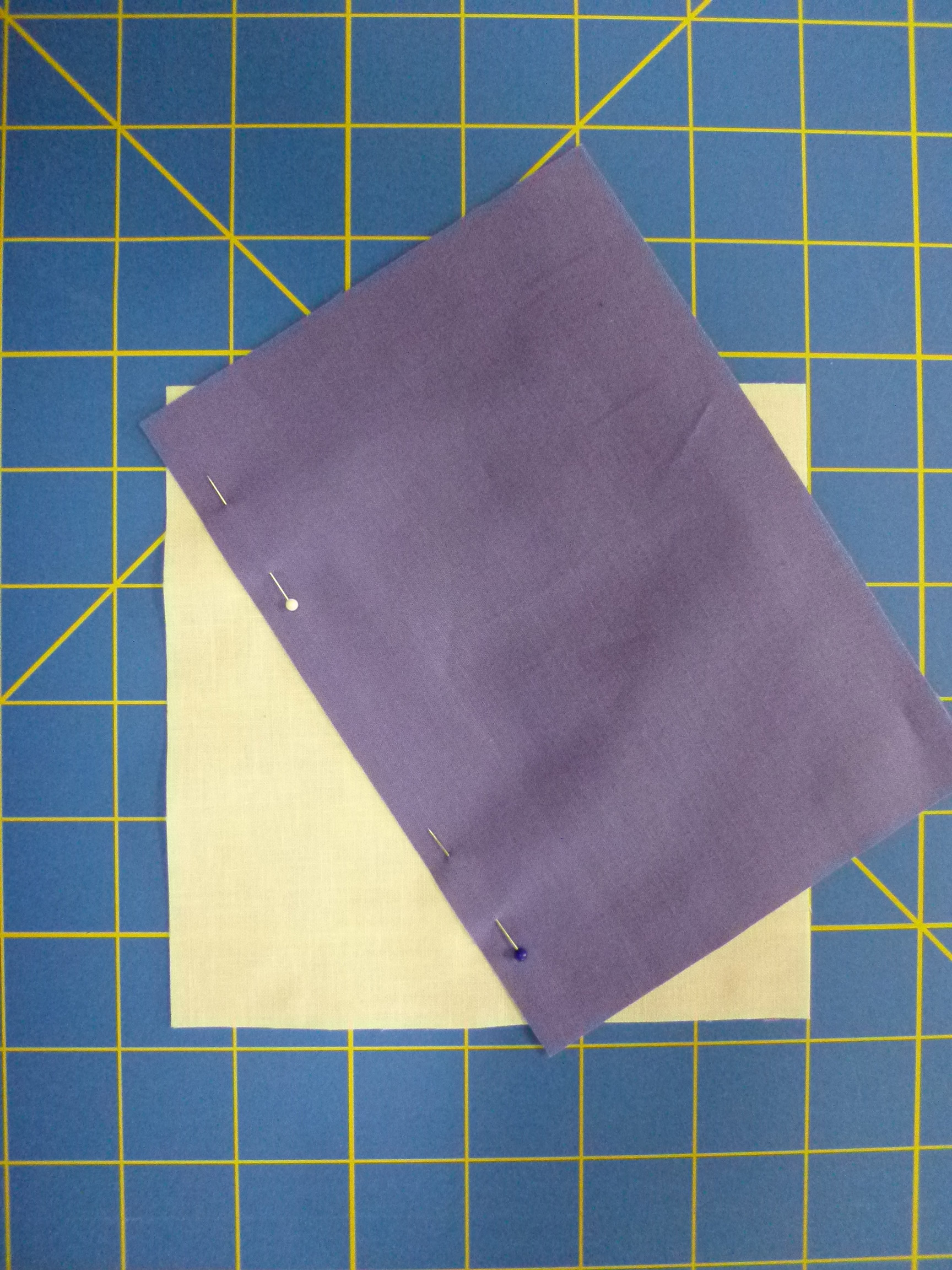
  • Lay the one 6 1/2″ x 4 1/2″ piece of solid fabric on a 5 1/2″ x 5 1/2″ square of the background as shown.   Place pins approximately where the 1/4″ seam will be along the long edge of the ray and turn along the pins to check placement.  Diagram-3-web Adjust if needed to make a star ray that suits you and to completely cover the foundation piece where the star ray will be.  Note that you will need to have your ray end at least 1/4″ from the edge if you want to see the point.  However, if you want blunt points there’s nothing wrong with that!  Here’s an example:Blunt point example
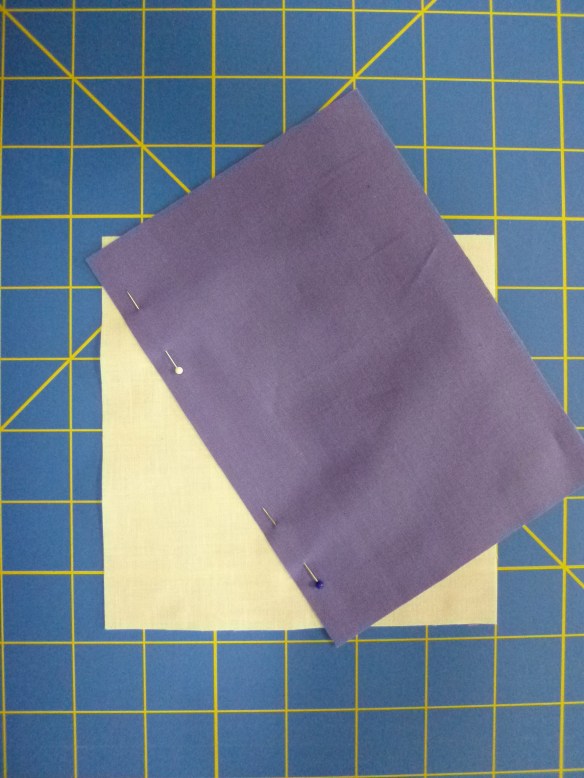
  • Reposition the pins and stitch 1/4″ from the edge of the ray as shown below:Diagram-5-web
  • Remove pins, turn the ray back into place, and press. Trim the side and bottom edges of the ray even with the foundation fabric.  Do not remove the foundation fabric under the ray, as it helps keep everything square and stable.Diagram-4-web
  • Place the fabric for the second ray, pin and test position, then stitch, press, and trim as for the first ray.Diagram-6-web Note that the rays need to overlap at least 1/4″ away from the raw edge where this section will join the star center. It’s fine to overlap more than that.
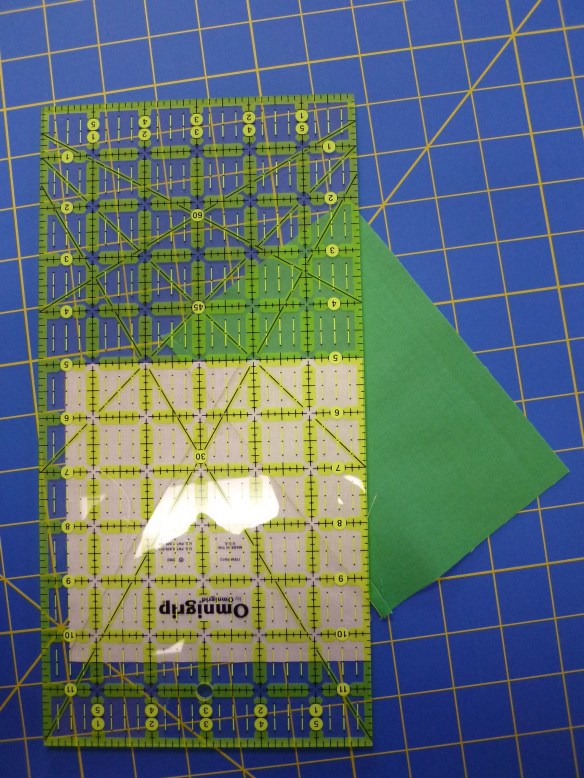
    Diagram-7-web

    Press the second ray and trim to match the background block.
  1. After building 4 sets of 2 star rays, re-assemble the 9-patch with the plain corners, printed center, and colored rays.
    modern star block

    This block finishes 14-1/2 x 14 1/2 inches

Anniversary!

Zippy Quilts is now two years old! I’m still having fun, so I’m signing up for another two years.
Here are a few pictures of projects from the past two years and links to popular posts:

Rising star art quilt

Rising Star, made for the Quilt Alliance TWENTY contest in 2013

This is “Rising Star”, a quilt I made for the Quilt Alliance “Twenty” contest back in 2013.  It’s still one of my favorite quilts, which is why it’s still featured on the blog’s header.

Here is a quilt I made for Modern Quilts Unlimited, where they did especially beautiful photos of it.

quilt photo

Zippy Star Quilt and Pillow as shown in Modern Quilts Unlimited, Summer 2014

Readers seem especially to have enjoyed posts with pictures from various quilt shows, and I know I appreciate those posts when others do them for shows I can’t attend.  Here are links to a few of those:

Here’s a picture from the post on QuiltCon Fashionistas, which was popular:

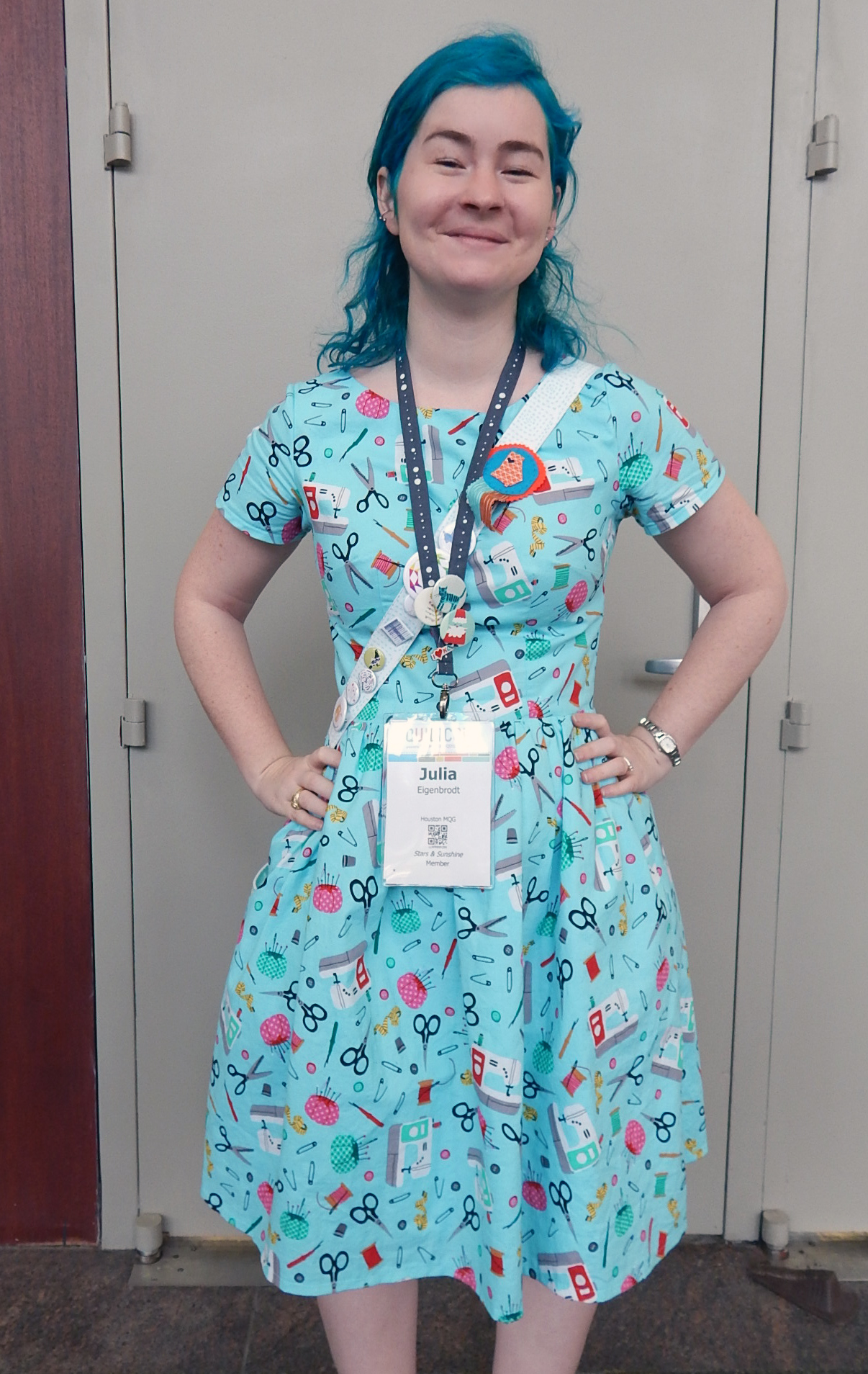
QuiltCon Fashionista

Julia of the Houston MQG

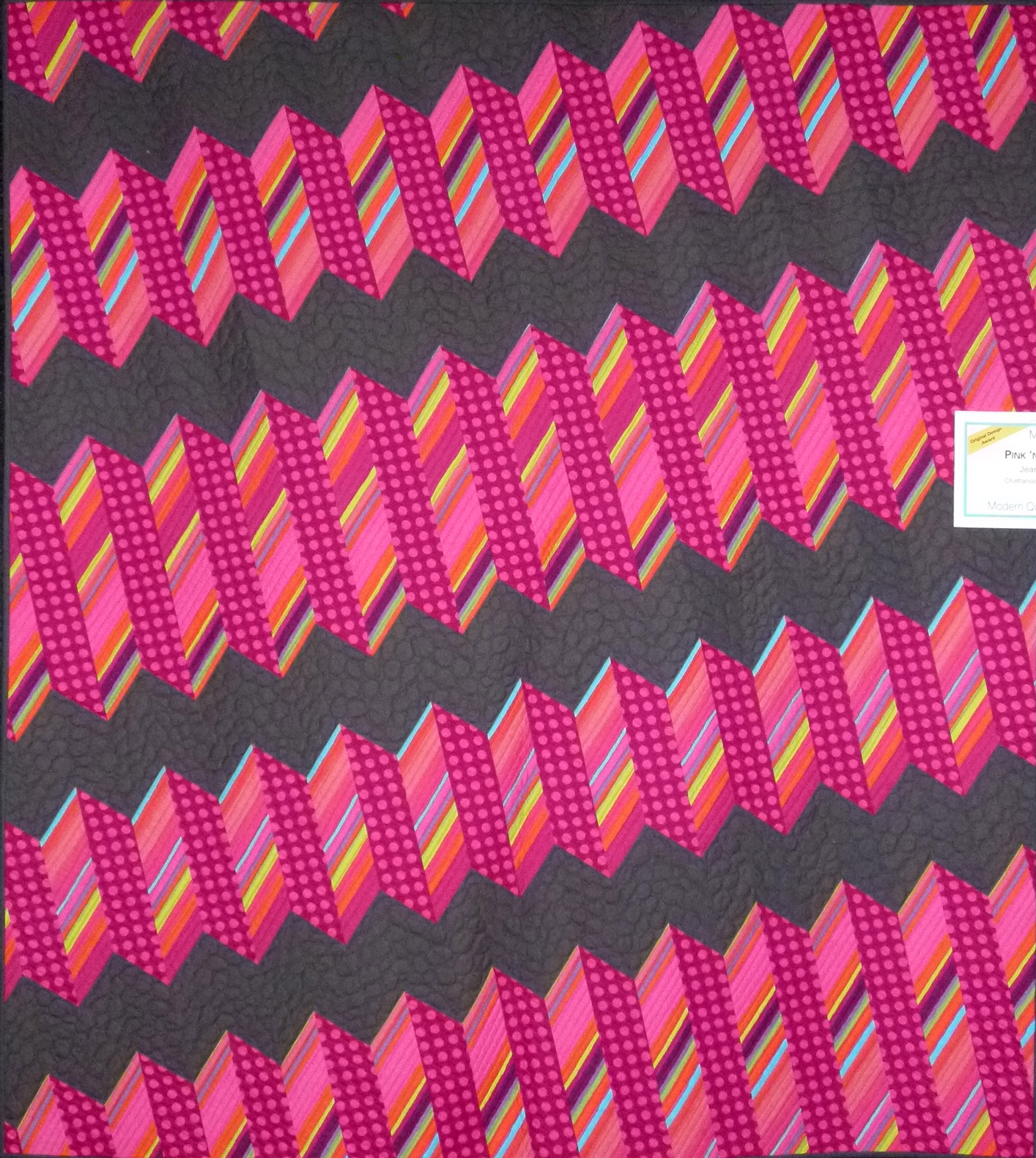
And here’s one from the post on AQS Charlotte, where I found the talented Jean Larson and her tessellation quilts:

modern quilt AQS

This quilt by Jean Larson won the Original Design award at AQS-Charlotte

Finally, here’s one from the post on the Vermont Quilt Festival, one of my all-time favorite shows:

pieced quilt

Fill the Void by Cinzia Allocca–my FAVORITE!

In the coming year, I’m planning to update the blog, of course.  I’ll first revise my “About” page, then get to work on adding a gallery.  Please stay tuned!  I appreciate your comments.

8 Projects for April and May!

In keeping with the plan to finish a UFO a month during 2015, here is the April finish.  Since this fabric has been waiting for about 5 years, I’m calling this a significant finish!

donation quilt

Flower Fairies, A Donation Quilt

The second April finish is not only finished but delivered to the Quilt Alliance for their 2015 challenge. This one is called Cat Circus. The Laurel Burch fabrics reminded me of how just one cat can be a complete circus (polite word for disaster) in just a matter of minutes in any room in the house. I love cats, so that’s OK by me.

Quilt Alliance

Cat Circus, my 2015 Quilt Alliance challenge quilt

And here is the May finish, along with two other donation quilts I made in April and May. This means 6 so far this year–I’m caught up through June!  I’ll have more information on some of these in a later post.  They are an improvisational quilt, an orphan block quilt, and a quilt using Cuddle charms and cat fabric.

I made two more blocks for My Modern Sampler this month.  You can read about the improvisational one here, and I will blog about the Humbug Star at a later date.  For now, here’s a preview:

Finally, I bound the Charley Harper quilt that came back from the quilter a while ago.  These organic cottons from Birch are stiffer and less silky than my usual quilting cottons, so I washed the quilt when it was finished.  That helped some with the stiffness and also made the quilting stand out more.

Charley Harper

Turning Twenty Again pattern in Charley Harper fabrics

On to the June projects–I’ll have much more news coming up!

My Modern Sampler: Improv Block I

Sherri Lynn Wood’s book finally arrived,Improv Handbook, Sherri Lynn Wood and I’ve been enjoying it.  I have NO intention of making a full-size quilt for every exercise in the book!  However, an improv block for my sampler quilt seemed just right.

The first exercise in the book involves cutting fabric into squares, then using background fabric as needed to join them improvisationally.  I’ll mostly let the pictures speak for themselves here.

Improv quilt block

I chose  2 fabrics and a background to start–my notes are lying on the background fabric

Improv block

Then I cut a bunch of squares

About half way through, the design looked too static to me, so I cut a triangle of background fabric to set in the middle and throw the whole thing onto diagonal lines.

Improv block

I joined some of the pieces, but then…I decided to add a triangle!

The finished block:

improv quilt block

The finished block, which will be 12-1/2 inches square

This ended up resembling my previous work much more than it resembles Sherri Lynn’s quilts.  I think that may be sort of the point 🙂  Here are some of my previous improv blocks:

I’ll probably go on to Improv Block II, etc, as I go through the book.  Stay tuned!

The other posts in my modern sampler series can be found here:

My Own Modern Sampler–It May Take A Year!

The Modern Sampler Continues


9 Quilts from AQS Paducah

Many quilters consider the AQS (American Quilters Society) annual show in Paducah, Kentucky the top of the heap among quilt shows.  So, I just had to go see for myself this year.

AQS Paducah

For Tanya, by Emily and Miriam Coffey, won first place in the Modern Wall Quilt category

Here are some of my favorite quilts from the show.  If some of them look a little wonky, it’s because they hang the quilts in 3-sided booths and then don’t let you into the booth!  The result is that, unless the quilt you want to photograph is directly at the back of the booth, you can’t get a straight shot of it.  Enjoy the pictures anyway!

modern quilts AQS Paducah

Flowers and Gears, by Robbi Joy Eklow, won a ribbon in the Longarm Quilted Small Wall Quilt category

I had a great time in Paducah, because I had a friend with me and we found COOKIES!  Luckily my friend knew where to find good food and a good place to stay 🙂

AQS Paducah modern quilts

It Takes the Case, by Karlyn Bue Lohrenz, won a ribbon in the category of Large Wall Quilts–Pictorial

I have pictures of a few of my favorite quilts here, but on the whole this show had fewer quilts that I really loved than any show I’ve attended in the past year.  Probably because of the emphasis on “show quilts”.

AQS Paducah

In the Marsh #2, by Carol Bryer Fallert-Gentry

However, there were some outstanding quilts like the ones above and below.  I suppose they are “show quilts” too, but they are not so heavily quilted that they appear 3-dimensional, and they don’t have rhinestones!

AQS Paducah

Canola Fields, by Leah Gravells, was made of 199 strips 3/4 inch wide–and she got them all straight!

One of the reasons I go to shows is to be inspired, and these quilts certainly were inspiring!

AQS Paducah improvisational quilt

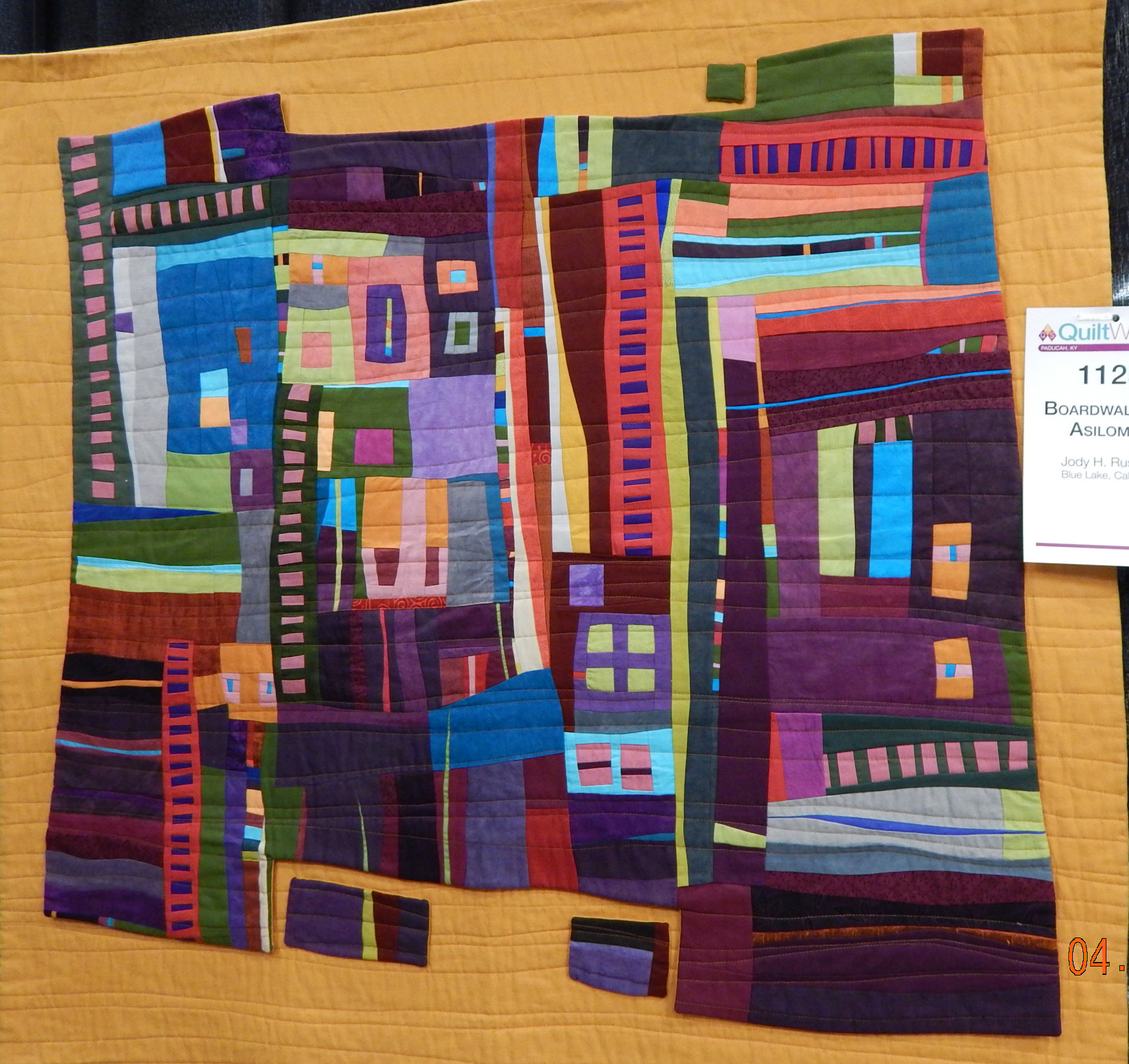
Boardwalks of Asilomar, byt Jody H. Rusconi, was one of the few improvisational quilts in the show

improv quilt AQS Paducah

Playing It, by Pam Beal, was another nice improvisational quilt

quilt photo AQS Paducah

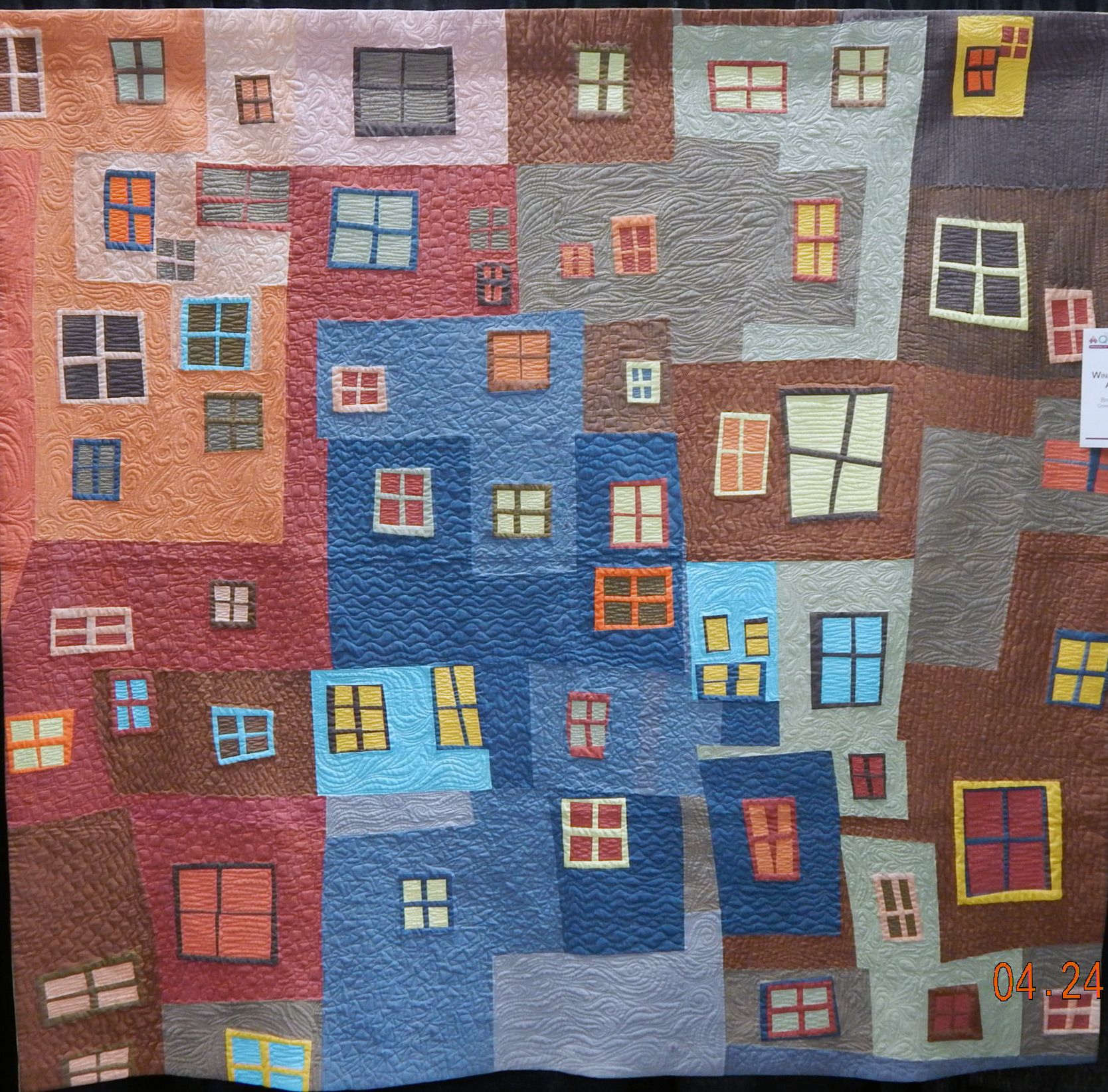
Windows #1-Antigua, by Brenda S. Wall

AQS Paducah

Rainbow Play by Brenda S. Roach

AQS Paducah

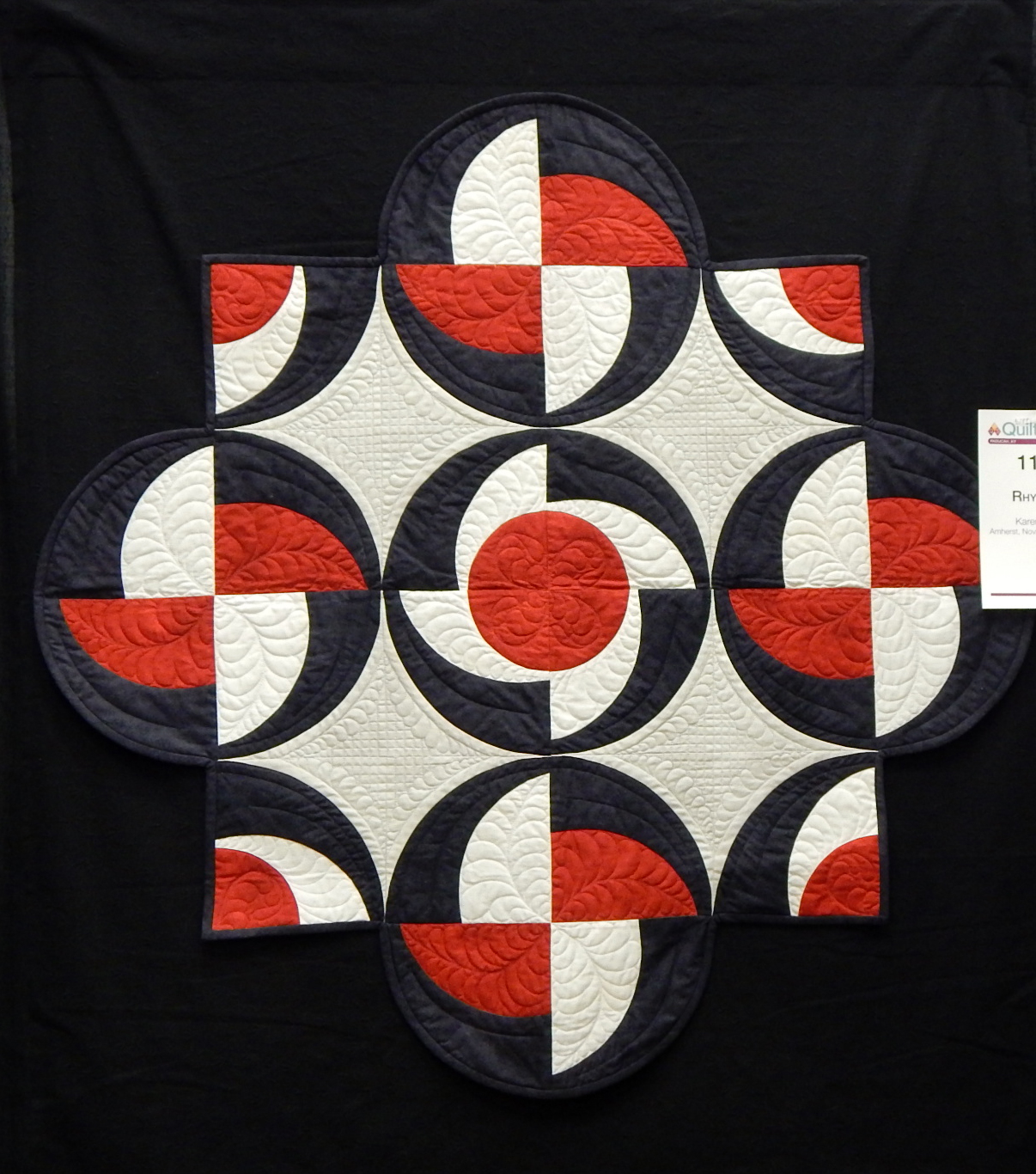
Rhythmic, by Karen Neary

2 Quilts, 1 Set of Instructions

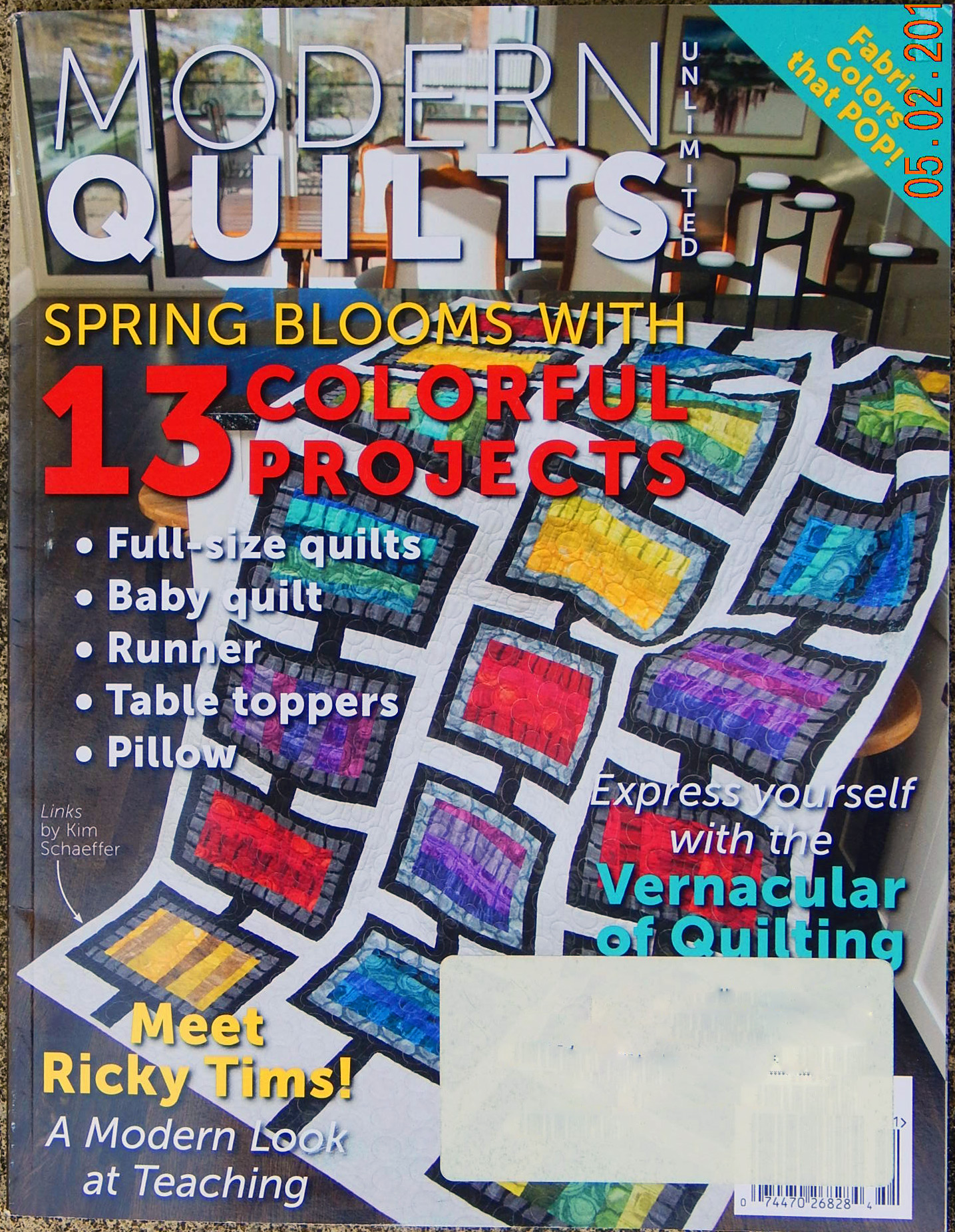
It’s here! The latest issue of Modern Quilts Unlimited, containing a quilt designed and made by me!Modern Quilts Unlimited magazine
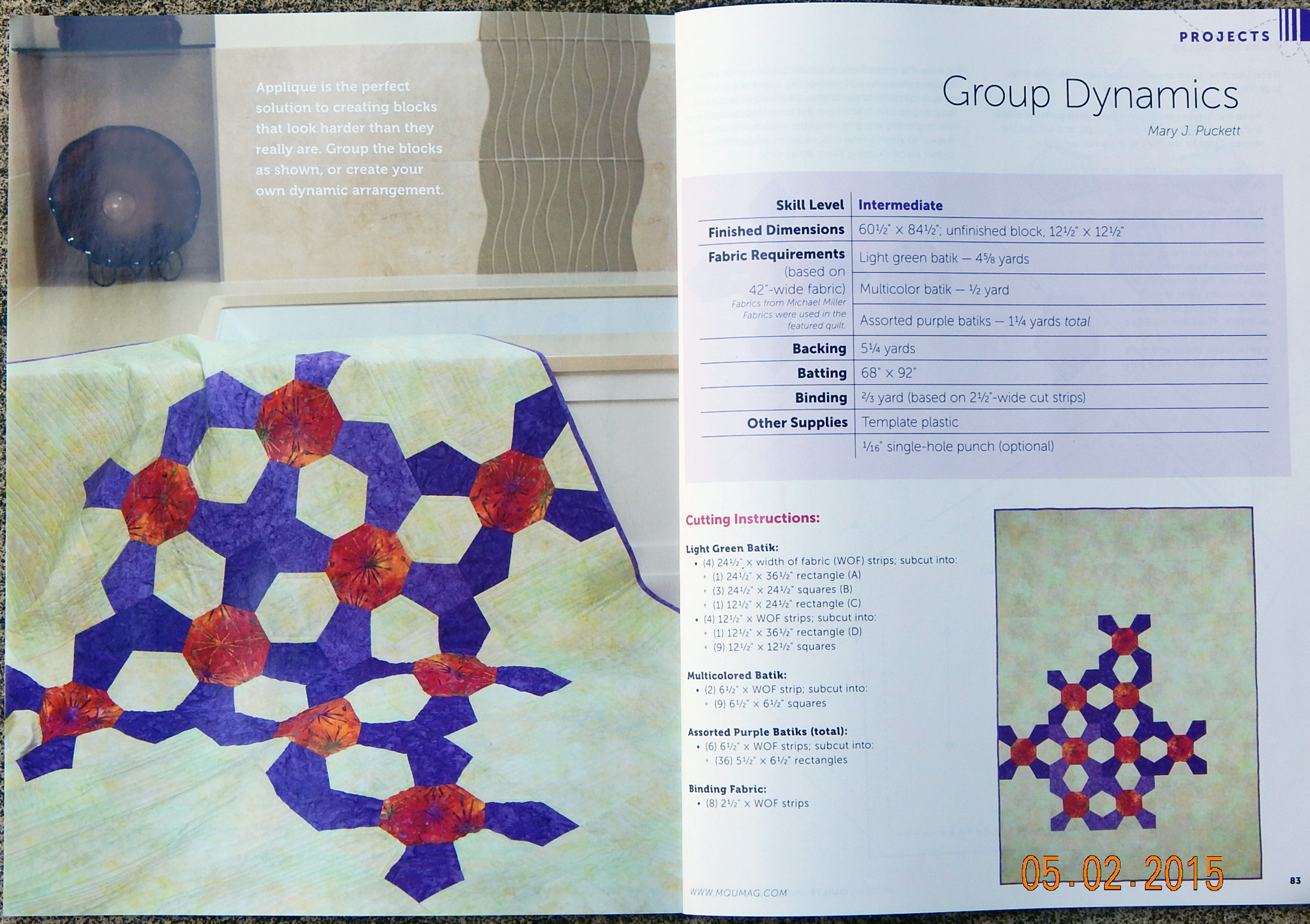
The editors did a great job of providing clear diagrams for my instructions, and of photographing the quilt.  It is made from Michael Miller batiks, supplied by the company for this project.  I love MM fabrics, and was happy to use batiks for a little change from the “oh-so-solid” solids that are currently popularModern Quilts Unlimited.And here’s a second quilt made with the same feature blocks, arranged differently. (The solids are Michael Miller Cotton Couture left over from another project.)  You can get the templates from the magazine and make your own blocks, arranging them to suit yourself.

Quilt Pattern

Alternate colorway and block arrangement from the same pattern

modern quilt

Look at this fun quilting done by Joyce Miller!

So go make it your own way!


One Quilt, Two Lessons

Check out these fabrics!

Fat quarter bundle

Alison Glass Handprint fabric and neutral linen

A friend gave me the FQ (fat quarter) bundle of lovely Alison Glass handprint fabric and I combined it with a neutral linen fabric I’d been saving for something special. I started with Karla Alexander’s instructions for a quilt, but (as my friends all know) I never really follow instructions so it diverged…improvised modern quilt blocks

The blocks were lots of fun to make.  I followed the instructions for a while, then started cutting the blocks up and inserting strips.  Then decided NOT to trim all the blocks to one size.  I adjusted the sizes of the linen sashing so that all the rows came out the same length, and made the rows of different heights to allow for the different block sizes.

And I slashed the sashing and inserted some strips in that, too.

When I had the top all made, I basted it with spray basting as usual.  BUT I didn’t have enough of the first can.  Then the SECOND can was a different brand and almost empty as well!

Determined to get the doggone thing basted, I resorted to some spray-on stuff that was supposed to bond the fabric to the batting when I ironed it.  This last stuff left SPOTS on the handprint fabric, which is light weight (almost like voile).  YIKES!

Lesson 1:  Be patient until you can get to the store for a can of basting spray.

Finally (after buying basting spray) it was basted and I started quilting.  Enter Lesson 2: this linen is a loose weave of large fibers and doesn’t play well with a tight weave of small fibers. YIKES AGAIN!  No matter how I changed the pressure on the quilting foot or otherwise fiddled with it, the quilting distorted the top and the backing.

improvised modern quilt

The finished quilt

Now it’s finished and I like it.  I appreciate the texture of the linen, but I’m not sure I’ll use it again.  I took this to my last modern guild meeting and people were positive about it, but one of the more experience sewists told me linen is usually stretchy, so at least it’s not just me!

improvisational quilting

Here’s the quilt back–that column was straight when I started!

Well, I try to learn something new every day, so I’m calling this a SUCCESS! 😉


Tessellations! By Jean Larson

As promised, my friend Jean Larson has written a tutorial on tessellation quilts.  I hope you enjoy it as much as I did!  –MJP

Tessellating designs make me happy.  Tweaking those designs is even more fun.   I want to share the joy of starting with a very, very simple design and watching it blossom.  My inspiration comes from this web site:  http://gwydir.demon.co.uk/jo/tess/

Start with a simple gridded block and create a light/dark design.  Here, I’ve started with a 3 x 3 grid.  Then re-color the same block with the lights and darks reversed

.The grid lines are only for design purposes, and each block can be constructed with a single square block with 2 corner triangles attached using any method you prefer.

Here are some design possibilities…Quilt_1A simple “cat head” quilt using only 2 colors.

Different looks can be achieved with variations in the color placement.

Blocks can be inverted and turned for even more quilt designs.

Just imagine all the possibilities with color in these!!!!!

It’s even more complex when you design with a 6×6 grid.  Here are the positive and negative versions of another block.

These blocks can be constructed using half-square triangles integrated with larger fabric pieces.  If these blocks were to finish at 6 inches by 6 inches.  The center column on each block would be a single 3.5 inch wide by 6.5 in long piece of fabric.  The side strips would include some half-square triangles.
A couple of the quilts that can be made:

Looks like spools, some gray, some white, all standing up.  Same quilt with alternate blocks turned a quarter turn yields a different  clearly recognizable tessellation.  Reminds me of tessellating doggie rawhide chews 😉

Now back to the spool quilt from above.  The “thread” areas have been colored in.  No blocks have been turned.

Jean spool 5This shows the power of color and value (lightness and darkness).   The colored part, being next to the gray and being closer in value to the gray, unites those parts of the block, and gives the illusion that we have all gray spools on a white background, some standing up, some lying down.

I hope these examples can be the seeds to sprout some design experimentation with tessellating shapes.

  1. Start with 2 square grids
  2. Create a positive design, and its negative design
  3. Alternate them in a quilt layout
  4. PLAY!
  5. And play more with color!

Happy Quilting (and Designing)!!   –Jean Larson


“Found” Designs

I took several pictures on a recent trip to illustrate “patterns and palates” I found along the way–or “designs and color schemes” if that has more meaning (though less alliteration).

The first thing I noticed is that, although I think of the Southwestern U.S. in terms of bright colors–turquoise, orange, bright blue–it really is pretty monochromatic, at least in midwinter.  And a lot of the man-made colors that started out vibrant have bleached considerably in the bright sunlight.  So here are a few patterns and color schemes I found interesting. Whether they ever make it into quilts remains to be seen!

These patterns found around the hotel definitely have some possibilities for both piecing and quilting.  And they have so much grey they must be modern 😉

These color schemes were more what I was expecting. But the colors were found more in man-made things than in nature except for the bright sky.  In that picture of the blue building, that IS the sky you see in the top right corner!

There were some beautiful patterns in nature.  The colors were lovely, but were subtle rather than bright except for that SKY!

I especially liked the strips of waterproof nylon cloth, all finished like flags, that were used to screen a construction site we passed.

Lots of great things to see, and this was just a single walk!

What have you seen lately?


Meet Lee Monroe of May Chappell Patterns

Images for this post are the property of Lee Chappell Monroe, May Chappell and used with permission.

Lee Monroe

Lee Chappell Monroe

Lee is a North Carolina quilter, designer, and teacher who came to my attention through her blog, which is titled May Chappell. Like a lot of other people, I initially thought May Chappell must be her name. Here’s her explanation of where the name of the blog actually came from:

Why May Chappell? There are always loads of questions about why the company is May Chappell and not Lee Chappell Monroe. You can read all about it here. The short version is that it is named for an awesome lady, my great grandmother.
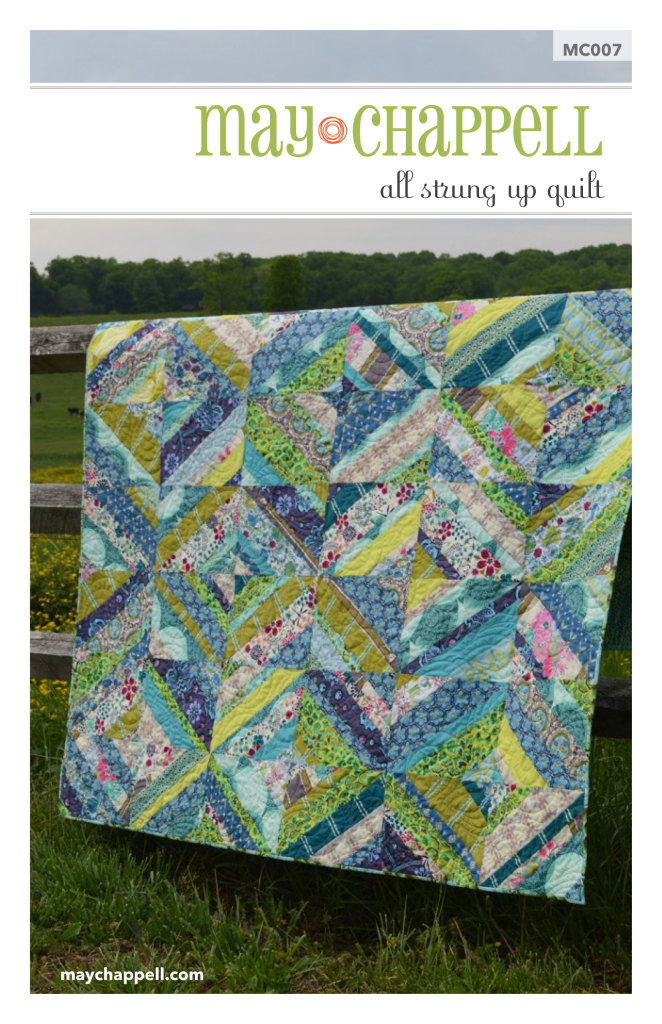
Lee designs quilt patterns and sells them through quilt shops.  She went to quilt market for the first time last year, hoping to give her patterns a wider audience.  In addition to quilts, she designs pouches and “loves all things fabric”.  Like many modern quilt designers, she is trained as a graphic artist.  Here’s one of her quilt patterns:
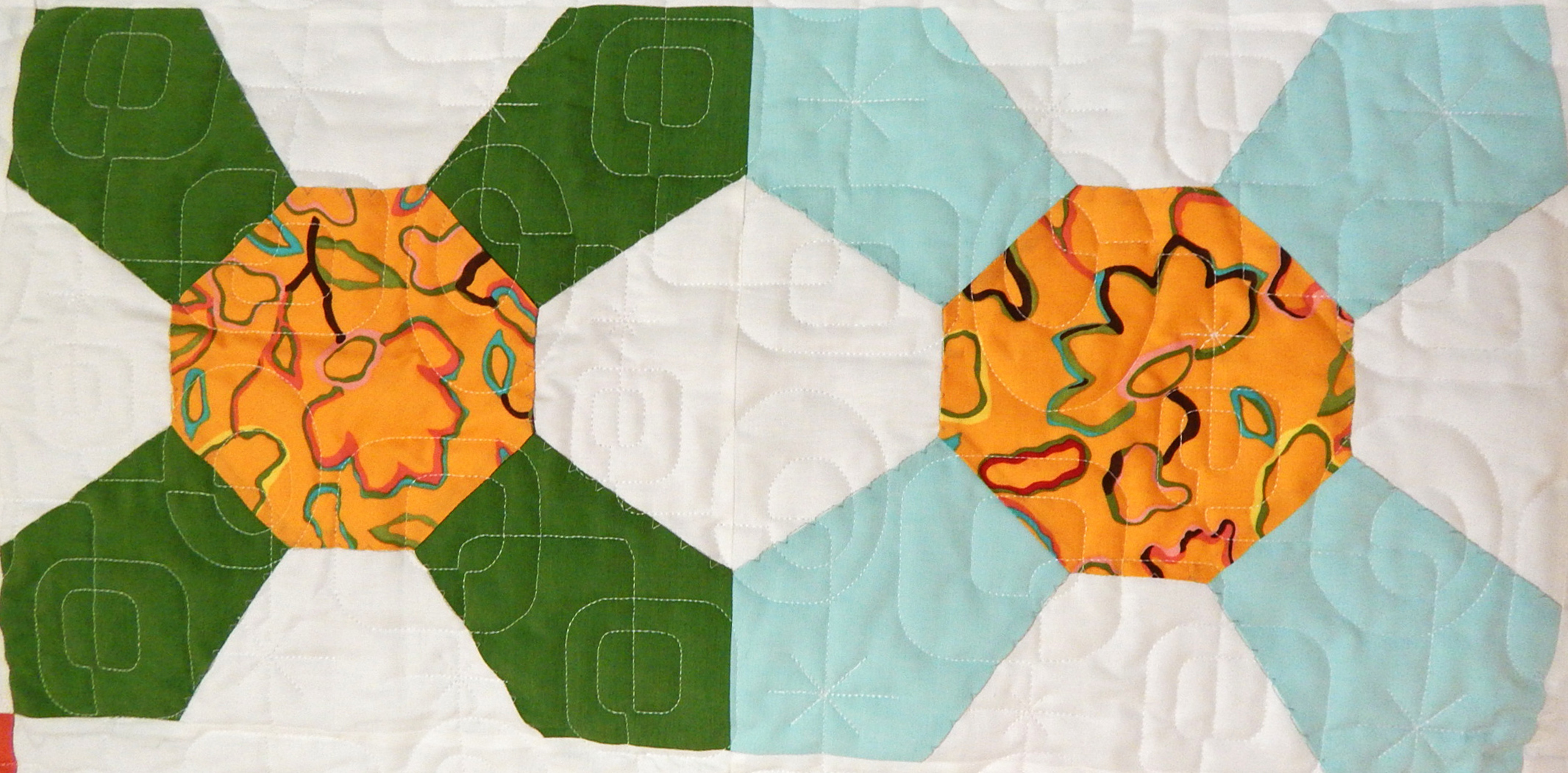
May Chappell quilt

All Strung Up, a May Chappell design

And here are a few questions Lee was kind enough to answer for me, as well as pictures of more of her patterns:
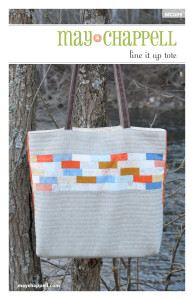
tote bag pattern

Here’s a tote bag Lee designed to use mini-charm squares

Q:  Where do you think the quilting field is going?

A: This is a toughie. I usually see trends in the questions that I get from my students. I’ve had a lot of students lately that are self taught and they’re interested in learning more about precision. I’m a big believer that there is more than one right way to do things in quilting, but there sure are some wrong ways!
Q: What about your personal quilting future?
A: I have new patterns coming for Spring Market that I’m really excited about. I’m a terrible secret keeper so I usually want to put out the design right as I draw it!
Q: I know you took your patterns to quilt market, but where could I buy them?  I don’t see them on your website [Note: They ARE on her website, at least now.  Silly me 😉 ]

Eye Candy quilt

Eye Candy, one of Lee’s quilt patterns

Designer star quilt

Lee’s Designer Star Quilt. If you go to her website/shop you can see a picture of the whole thing.

A:  I love designing patterns and the printed patterns are available through local quilt shops. Because I also teach quilting at local shops, I’m a huge advocate for supporting local! Quilt shops are a huge resource for the sewing and quilting community. If your shop doesn’t have my patterns, they’re available through the distributors. You can also purchase PDF patterns through my website here. I teach all over North Carolina and I’m starting to expand out across the country. Teaching is my favorite part of my job; I’m passionate about quilting and I love sharing that. You can see my teaching schedule on my website, too.

Q: Show us something pretty you’ve made lately!
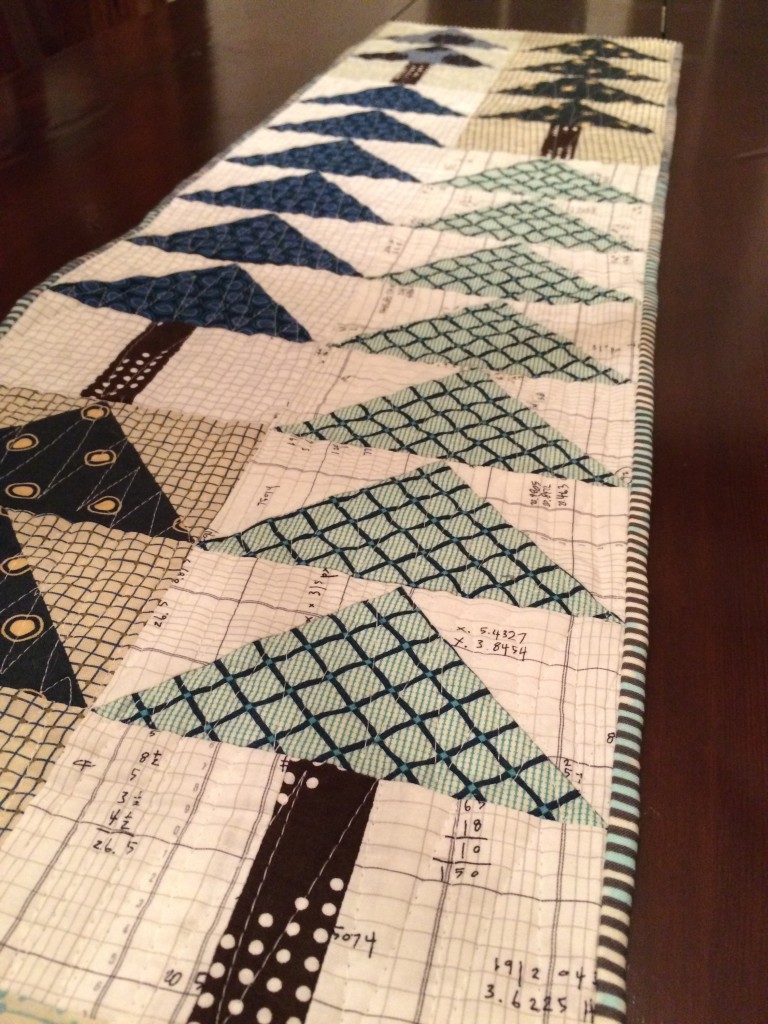
A: This is a table runner I made for my brother using my Blue Ridge pattern.
table runner quilt

Table runner by Lee Monroe

This post ran longer than usual, but that’s because I just HAD to explain a little about why Lee Monroe has a blog named May Chappell 🙂