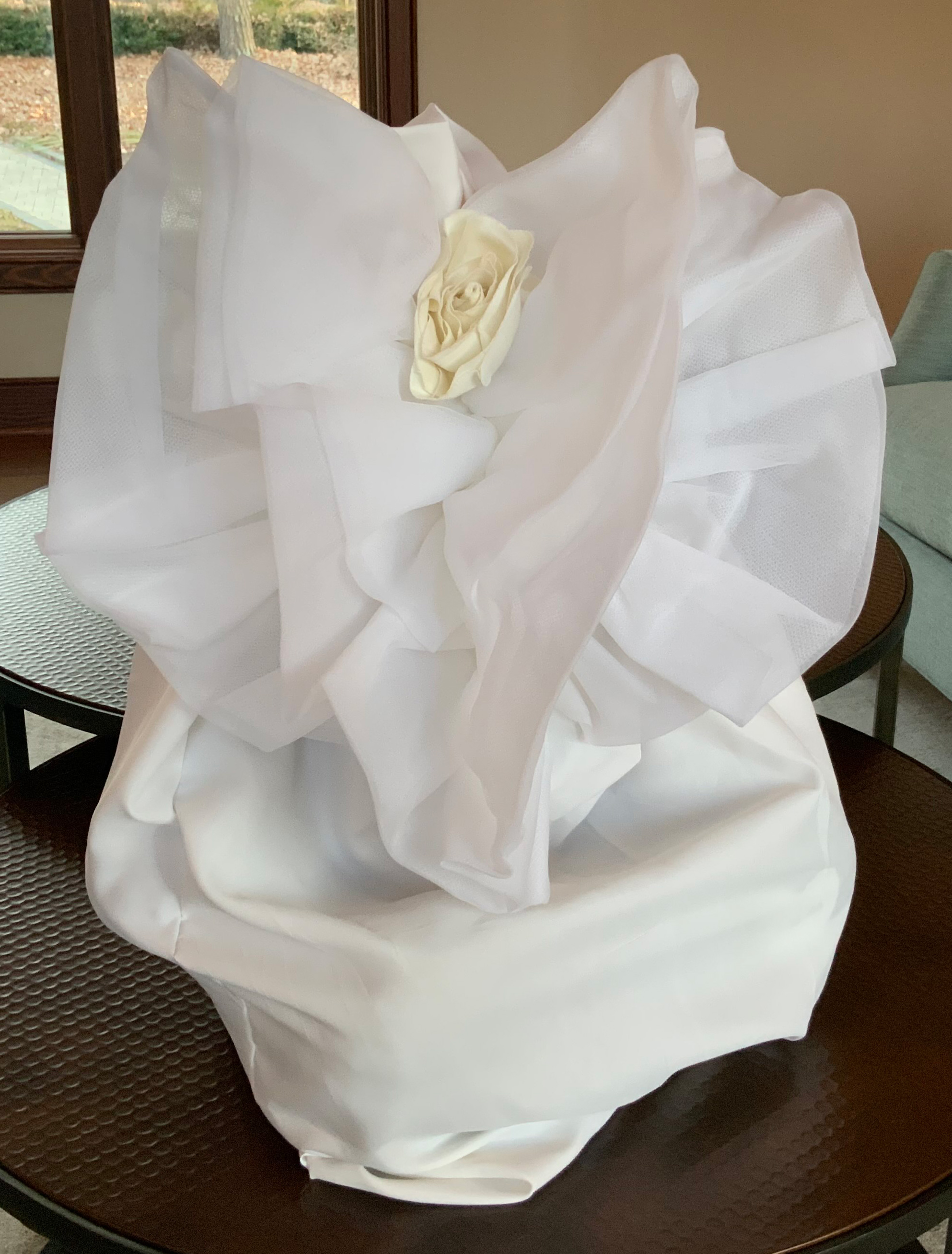
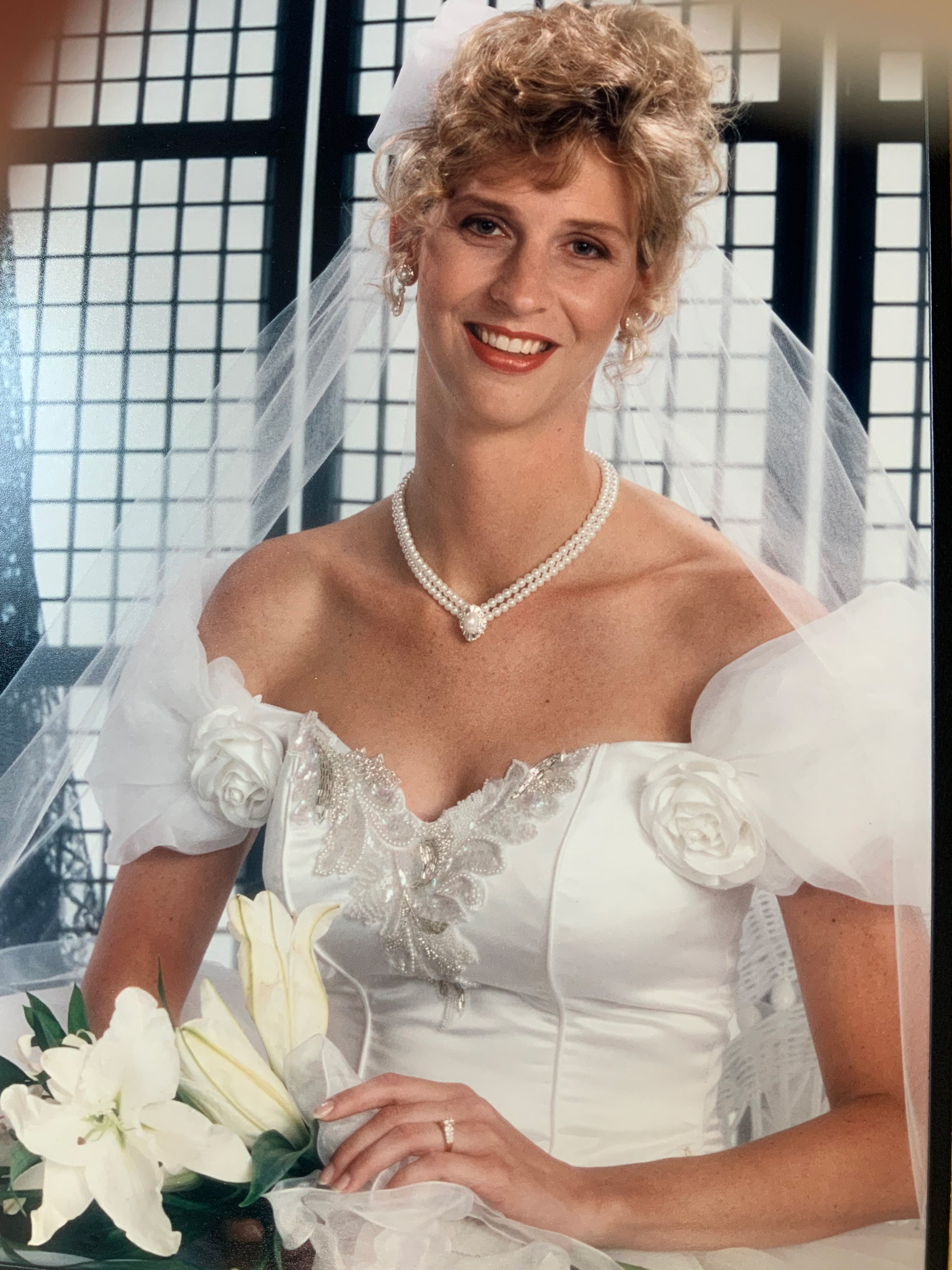
If you’ve been quilting long, chances are someone has asked you to make a memory quilt. The most common request is to use the clothing of a deceased relative, though I’ve also seen memory quilts made from baby clothes, napkins used for a wedding reception, and even wedding dresses.
My grandmother made what I call the original memory quilt–I can find in her quilts a few scraps from dresses I remember.

Some of the pieces I inherited; I recall some of this fabric as dresses!
So what do you do when asked to make a memory quilt? I have one friend who just made several and considered it an honor to be asked. Another friend has made several but I believe she was “guilted” into them.
People who make these requests are not quilters, so have no idea of the hours of work and financial cost of making a quilt. Figuring it was information we could all use, I asked a few friends to estimate the cost in hours and materials of making a lap-size quilt (approximately 60″ x 72″), assuming all the fabric for the quilt top came from clothing provided.
Here’s what I came up with:
How many hours does it take to make a lap-size quilt from a simple pattern? Please include the time required to deconstruct the clothing and prepare it for use.
Estimates ranged from about 80 hours to about 160 hours. Several people noted that preparing the clothing for use in quilt construction takes a considerable amount of time.
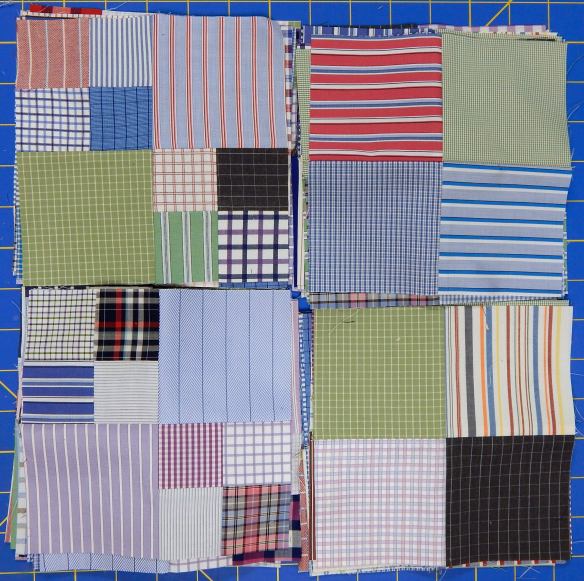
Shirt fabrics made into blocks
How much would you typically spend on batting and backing for a lap-size quilt?
$45 – $75, though one quilter noted that she uses up stash for quilt backs so considers this a benefit rather than a cost!

Quilt from clothing fabric including khaki pants and pockets from both a shirt and a pair of jeans. Tutorial here
How much would you typically pay to have a lap-size quilt professionally quilted?
$90 to $115, with quilting thread included in this price
What other costs should be considered?
Thread for piecing and quilting is expensive, with Aurifil currently $13 a spool!
Many clothing fabrics need a special iron-on backing to be usable, and that can be expensive.
Some clothing fabric requires research and problem-solving. For example, one quilter recently backed an eyelet fabric with plain fabric after researching her options.
One quilter noted the “cause-and-effect cycle” as a cost 😀 She notes that any quilt leaves just enough fabric to start another quilt, which will require buying additional fabric to complete it, which will leave scraps…you get the picture!
What other issues should be considered?
A couple of quilters noted that it is meaningful to both the family and the quilter for someone familiar with the deceased to volunteer to make a quilt, vs hiring someone outside the family.
One quilter noted that she included stained clothing in a quilt because she knew the source of the stains and that makes her smile.
One quilter noted that it is a privilege to have the skills, materials, and time to make a quilt and she feels it is an honor to use those to help other people.
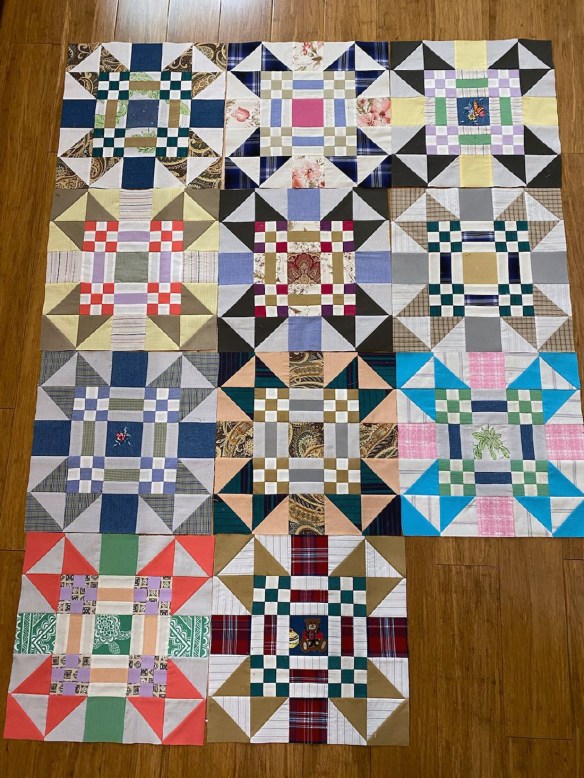
Memory quilt blocks made by Jerri Szlizewski. Each block has 77 pieces! But she selected the design and wanted to do it.
And a final note from me: I read an article many years ago suggesting that, if someone asks you to make a quilt, it’s fine to say yes, BUT specify that you must be the one to select the design. I think this is wise advice for many reasons.
So, what do you think? Do you make memory quilts? Why or why not?
Thanks to Chela, Jerri, Laura, and Linda for taking time to answer my questions.





















 Zippy Quilts